భవనాలను కూల్చకుండా, విడదీసి మళ్లీ నిర్మించేలా డిజైన్ చేయడం
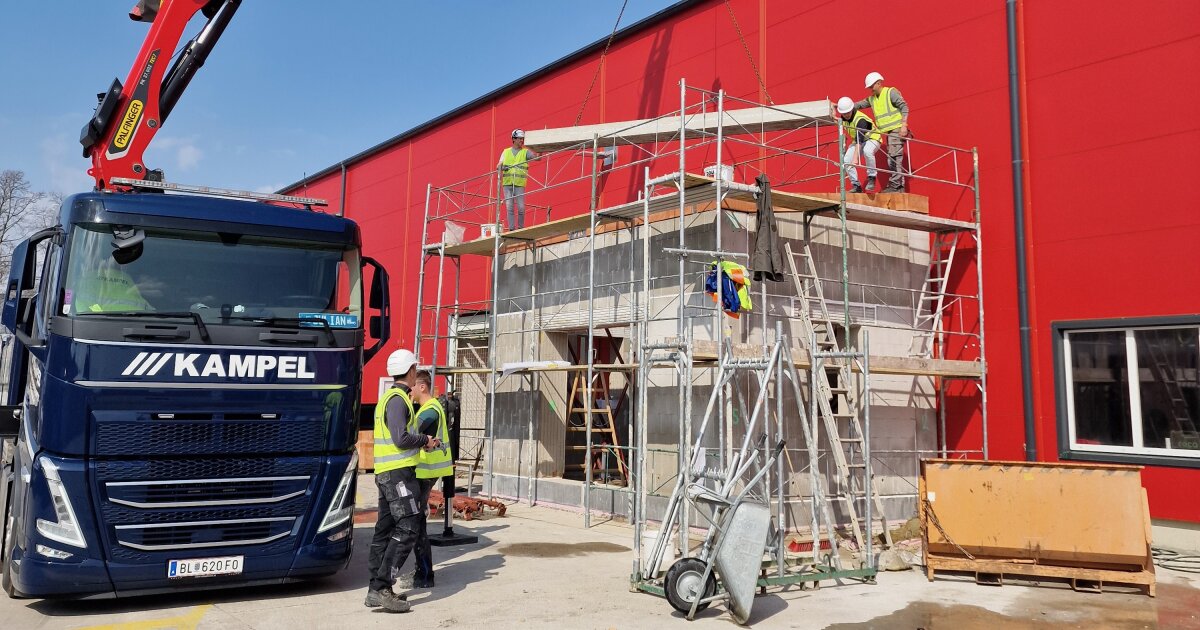
ఆస్ట్రియాలోని Graz University of Technology లోని పరిశోధకులు brick constructionను permanent demolition-bound massగా కాక, reusable parts ఉన్న kitగా చూసే building systemపై పని చేస్తున్నారు. వారి concept, prefabricated brick wall elementsను reversible joints ద్వారా కలుపుతుంది, తద్వారా structuresను service life ముగిసినప్పుడు నూరి wasteగా మార్చే బదులు dismantle చేసి మళ్లీ నిర్మించవచ్చు.
ఈ ఆలోచన ఒక పెద్ద materials సమస్యను పరిష్కరిస్తుంది. source text ప్రకారం, construction మరియు demolition waste Europeలో ఉత్పత్తి అయ్యే మొత్తం wasteలో మూడో వంతుకు మించి ఉంటుంది. Conventional mortar reuseను చాలా కష్టతరం చేయడం వల్ల traditional brick construction ఆ భారానికి కారణమవుతుంది.
ఒకే దిశలో జరిగే constructionకు circular ప్రత్యామ్నాయం
TU Graz బృందం ప్రతిపాదన conceptually సులభమైనది: buildingsను విడదీయగలిగితే, వాటి ప్రధాన componentsను మళ్లీ ఉపయోగించవచ్చు. sourceలో ఇచ్చిన పోలిక Lego modelతో ఉంది, దాన్ని విప్పి అదే partsతో మరొక చోట మళ్లీ నిర్మించవచ్చు.
అలా చేయడానికి, పరిశోధకులు permanent bonding బదులు reversible jointsను ఉపయోగించారు. ప్రస్తుత public descriptionలో joint design కి సంబంధించిన అనేక technical details వెల్లడించలేదు, మరియు సమాచారం ఇప్పటికీ పరిమితమేనని source స్పష్టంగా చెబుతోంది. అయినప్పటికీ, broader system architecture project ఎందుకు ముఖ్యమో చూపిస్తుంది.
Wall elements prefabricated, 44 centimeters thick, మరియు thermal performance మెరుగుపరచడానికి insulating woolను కలిగి ఉన్నాయి. అవి factoryలోనే pre-plastered చేయబడ్డాయి, ఇది siteలో అవసరమైన పనిని తగ్గించవచ్చు.
నిజమైన లక్ష్యం embodied carbon
ఈ innovation waste reduction గురించే కాదు. ఇది embodied emissions గురించీ కూడా. కొత్త bricks మరియు materials తయారు చేయడం, వాటిని transport చేయడం, మరియు ఉన్న structuresను demolish చేయడం అన్నీ carbon costను కలిగి ఉంటాయి. పెద్ద wall elements అనేక building cyclesను తట్టుకోగలిగితే, ఆ emissionsను మళ్లీ మళ్లీ కొత్తగా చెల్లించాల్సిన బదులు repeated useలో పంచుకోవచ్చు.
TU Graz లోని Institute of Building Physics, Services and Construction project manager Hans Hafellner ప్రకారం, కొత్త jointing solution ద్వారా reuse చేయడం వలన ఉపయోగం యొక్క రెండో దశలో మొత్తం emissionsలో గణనీయమైన భాగాన్ని తప్పించుకోవచ్చని ఇప్పటివరకు వచ్చిన ఫలితాలు సూచిస్తున్నాయి. మూడు life cyclesను పరిగణనలోకి తీసుకుంటే, conventional construction methodsతో పోలిస్తే CO2 emissions సుమారు 60% తగ్గవచ్చని బృందం చెబుతోంది.
ఈ సంఖ్య ముఖ్యమైనది, ఎందుకంటే ఇది చిన్న efficiency gainsకి మించినది. assembly methodsను తిరిగి రూపకల్పన చేయడం masonry construction యొక్క మొత్తం environmental profileను మార్చగలదని ఇది సూచిస్తుంది.
ముందున్న వాస్తవ ప్రపంచ సవాలు
వాగ్దానం బలంగానే ఉంది, కానీ ఇంకా అనేక ప్రశ్నలు మిగిలి ఉన్నాయి. source ప్రకారం, reversible joints గురించి విస్తృత technical information ఇంకా publicగా వెల్లడించలేదు. అంటే structural durability, weather resistance, code compliance, మరియు labor demands వంటి కీలక అంశాలకు market-ready అని చెప్పేందుకు ముందు మరింత స్పష్టత అవసరం.
అయినా కూడా, ఈ concept construction thinkingలోని విస్తృత మార్పుతో సరిపోతుంది: materialsను కేవలం భవనం ఉపయోగంలో ఉన్నప్పుడు ఎలా పనిచేస్తాయో అనేది చూసి మాత్రమే కాకుండా, ఆ ఉపయోగం ముగిసిన తర్వాత ఏమి జరుగుతుందో కూడా పరిగణించాలి. ఆ అర్థంలో, TU Graz పని circular building systems వైపు పెరుగుతున్న ప్రయత్నంలో భాగం.
ఈ approach విస్తరిస్తే, దాని ప్రభావం emissions accountingను మించి ఉంటుంది. recovery మరియు reuse కోసం రూపొందించిన building stock demolition practiceను, materials logisticsను, మరియు renovation మరియు relocation ఆర్థికతను కూడా మార్చుతుంది.
- TU Graz reversible connectionsతో కలిపిన prefabricated brick wall elementsను అభివృద్ధి చేసింది
- ఈ system demolition wasteకు బదులు dismantling మరియు full reuseను అనుమతించడానికి ఉద్దేశించబడింది
- Wall elements 44 centimeters thickగా ఉండి insulating woolను కలిగి ఉన్నాయి
- మూడు life cyclesలో CO2 emissions సుమారు 60% వరకు తగ్గవచ్చని బృందం చెబుతోంది
This article is based on reporting by New Atlas. Read the original article.
Originally published on newatlas.com