AI infrastructureలోని అతిపెద్ద inefficienciesలో ఒకటి computation కాదు, heat
Data centers 2025లో అంచనా ప్రకారం 485 terawatt-hours విద్యుత్ వినియోగించాయి, మరియు source material ప్రకారం అందులో సుమారు 30% computing కాకుండా coolingకు వెళ్లింది. University of Illinois Urbana-Champaign పరిశోధకుల కొత్త పనిని వివరించే ఈ వివరాలు, AI systems chip power densitiesను పెంచుతూ rack-scale deploymentsను మరింత వేడి, మరింత దట్టమైన, మరియు నడపడానికి ఖరీదైనవిగా చేస్తుండటంతో విస్మరించడం కష్టమైపోయింది.
3D-printed pure copper plates చుట్టూ నిర్మించిన ఒక కొత్త direct-to-chip cooling approach ఈ సమస్యను నేరుగా ఎదుర్కొనాలని లక్ష్యంగా పెట్టుకుంది. తమ technology data center అంతటా cooling-related విద్యుత్ వినియోగాన్ని సుమారు 30% నుండి కేవలం 1.1%కి తగ్గించగలదని పరిశోధకులు చెబుతున్నారు.
ఆ సంఖ్య వాస్తవంలో నిలిస్తే, AI infrastructure చుట్టూ ఉద్భవిస్తున్న అత్యంత ప్రాధాన్యమైన hardware efficiency gainsలో ఇది ఒకటిగా నిలుస్తుంది.
Cooling ఇప్పుడు strategic bottleneck ఎందుకు
Modern accelerators విపరీతమైన powerను వినియోగిస్తాయి, మరియు electronics యొక్క ప్రాథమిక physics ప్రకారం దానికి సమీపంలోనే heatగా విసర్జిస్తాయి. source text ఒకే NVIDIA GB200 chip 1,200 watts వద్ద పనిచేస్తోందని సూచిస్తుంది. దీన్ని వేల లేదా లక్షల పరికరాలకు వర్తింపజేస్తే thermal management సవాలు facility economics కేంద్రంగా మారుతుంది.
అందుకే cooling ఇక background engineering detail కాదు. ఇది data center design, energy procurement, siting, uptime, మరియు మరింత దట్టమైన compute clustersను ఎంత వేగంగా deploy చేయవచ్చో అన్నదానిపై ప్రభావం చూపుతుంది. AI demand పెరుగుతున్నకొద్దీ, cooling constraints ఏది నిర్మించగలమో అన్నదాన్ని మరింతగా నిర్దేశిస్తున్నాయి.
కాబట్టి order-of-magnitude gains వాగ్దానం చేసే ఏ technology అయినా గంభీరమైన శ్రద్ధకు అర్హం, ముఖ్యంగా అది పూర్తిగా కొత్త facility class అవసరం లేకుండా existing direct-to-chip cooling architecturesలో అనుసంధానించగలిగితే.

కొత్త system ఏమి మార్చుతుంది
ఈ reported advance mathematical design algorithmను additive manufacturingతో కలిపి conventional cold platesను మించిన pure copper cooling platesను తయారు చేస్తుంది. అత్యంత ముఖ్యమైన విషయం material మాత్రమే కాదు, ఈ method సృష్టించగల internal geometry కూడా.
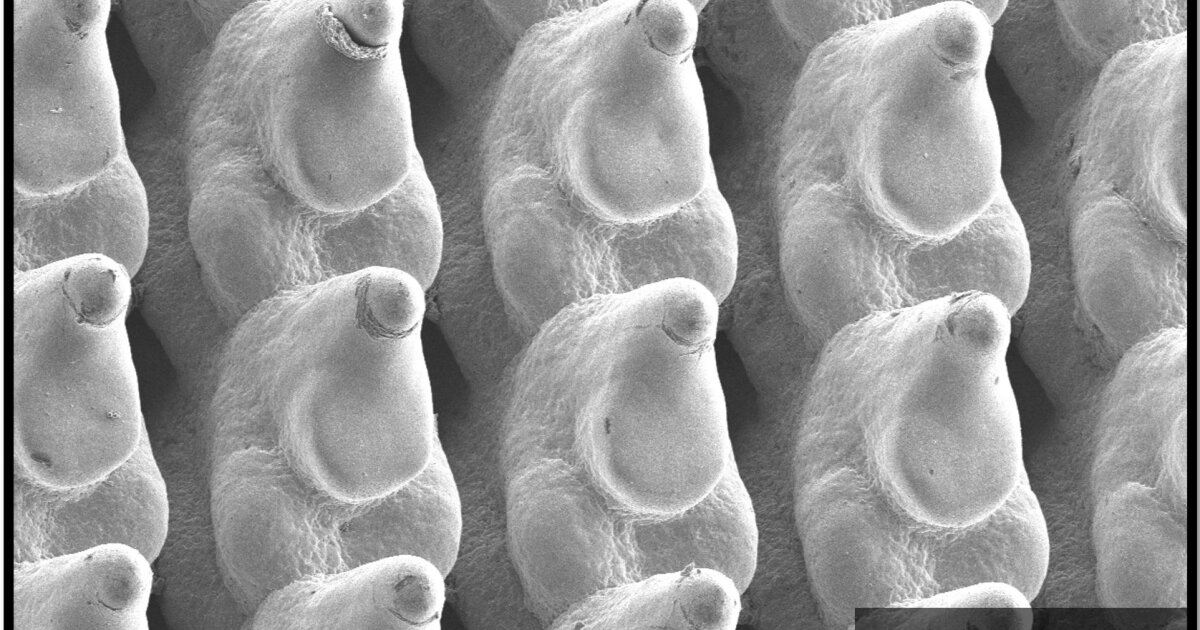
source text ప్రకారం, microscope imagery plate surfaceపై tiny fin structuresను చూపిస్తుంది. అలాంటి సూక్ష్మ లక్షణాలు effective surface areaను పెంచి, coolant అతి వేడిగా ఉన్న zones మీద ఎలా ప్రవహిస్తుందో నియంత్రించడం ద్వారా heat transferను గణనీయంగా మెరుగుపరచగలవు.
Traditional manufacturing engineers cooling component లోపల నిర్మించగల shapesపై పరిమితులు విధిస్తుంది. Computational design మరియు 3D printingను కలిపి, పరిశోధకులు thermal models చూపే ఉత్తమ రూపకల్పనకు fabrication techniques వాస్తవంగా తయారుచేయగల రూపకల్పన మధ్య అంతరాన్ని తగ్గించడానికి ప్రయత్నిస్తున్నారు.
ఫలితంగా, పాత thermal management assumptionsకు అనుగుణంగా మార్చినదిగా కాకుండా high-power chips వాస్తవాలకు అనుగుణంగా రూపుదిద్దుకున్న cold plate architecture లభిస్తుంది.
క్లెయిమ్ చేసిన savings ఎందుకు అంత పెద్దవి
headline figure heat తొలగించే energy costను తగ్గించడం ద్వారా వస్తుంది, chips స్వయంగా వినియోగించే power drawను తగ్గించడం ద్వారా కాదు. సాధారణ పెద్ద data centerలో cooling systems pumps, chillers, air handling, మరియు ఇతర support infrastructure ద్వారా powerను వినియోగిస్తాయి. chip levelలో heat మరింత సమర్థవంతంగా తొలగిస్తే, thermal stack మిగిలిన భాగంలో తక్కువ పని అవసరం అవుతుంది.
Direct-to-chip liquid cooling ఇప్పటికే ఆకర్షణీయంగా ఉంది, ఎందుకంటే అది air cooling inefficienciesలో అనేకాన్ని దాటవేస్తుంది. Cold plateను మెరుగుపరచడం ఆ approachను మరింత శక్తివంతం చేస్తుంది. కొత్త plates cooling electricity shareను సుమారు 1.1%కి తగ్గించగలవని పరిశోధకులు చెబుతున్నారు, ఇది ప్రస్తుత ప్రమాణాలపై తీవ్రమైన మెరుగుదల.
Operatorsకు, ఇది lower operating costs, better power usage effectiveness, మరియు energy-constrained environmentsలో compute deploy చేయడానికి మరింత స్థలాన్ని సూచిస్తుంది.
ల్యాబ్ను మించి ఇది ఎందుకు ముఖ్యం
AI infrastructure క్రమంగా energy policy, utility planning, మరియు public scrutinyతో ఢీకొంటోంది. Data center growth local gridsపై ఒత్తిడి పెడుతోంది, decarbonization effortsను క్లిష్టం చేస్తోంది, మరియు కంపెనీలను కొత్త power strategies వెతకాల్సిన పరిస్థితిలోకి నెడుతోంది. కాబట్టి cooling layer వద్ద efficiency gains సాధారణ component improvement కంటే విస్తృత ప్రాధాన్యం కలిగి ఉన్నాయి.
Coolingను విపరీతంగా మరింత సమర్థవంతంగా చేయగలిగితే, operators అదే power envelope నుంచే ఎక్కువ ఉపయోగకరమైన computeను పొందగలరు. ఇది కొన్ని capacity bottlenecksను ఆలస్యం చేయవచ్చు మరియు electricity supply లేదా grid interconnection పరిమితులున్న ప్రాంతాల్లో advanced facilitiesను siting చేయడం సులభం చేయవచ్చు.
ఇది AI expansionను ప్రత్యేకంగా power-hungryగా చూపించిన non-compute energy penaltyను కూడా తగ్గించవచ్చు. మూడింటిలో ఒక భాగం power thermal overheadకు కేటాయించడం ఆకర్షణీయమైన లక్ష్యం. దాని పెద్దభాగాన్ని తగ్గించడం చర్చను మార్చేస్తుంది.
ఇంకా ఏమి అనిశ్చితంగా ఉంది
source material ఈ పనిని deployed commercial productగా కాకుండా scientific advanceగా సూచిస్తోంది. అంటే scale-up, durability, manufacturability, cost, మరియు production data center systemsతో compatibility ఇంకా తెరవున్న ప్రశ్నలే.
Hardware breakthroughs సాధారణంగా prototype లేదా subsystem స్థాయిలో బలంగా కనిపిస్తాయి, కానీ supply chains, maintenance, coolant chemistry, మరియు long-duration reliability వంటి సంక్లిష్టతలు వస్తే పరిస్థితి మారుతుంది. Pure copperలో additive manufacturing కూడా ఒక specialized capability, మరియు విస్తృత deployment volume వద్ద economics పనిచేస్తుందా అన్నదానిపై ఆధారపడి ఉంటుంది.
అయినప్పటికీ, దిశ స్పష్టంగా ఉంది. Cooling ఒక first-order computing problemగా మారింది, మరియు geometry-aware, manufacturing-enabled thermal design ఒక నమ్మదగిన ముందుకుసాగే మార్గంగా వెలుగులోకి వస్తోంది.
పెద్ద చిత్రం
AI boom దృష్టిని models, chips, మరియు power contractsపై కేంద్రీకరించింది. కానీ ఆ chipsను బతికించుకునే physical systems చివరికి పరిశ్రమ ఎంత compute నడపగలదో నిర్ణయించవచ్చు. Thermal management ముందుగా infrastructure plumbingగా పరిగణించబడేది. ఇప్పుడు అది frontierలో భాగం.
ఈ copper-plate approach ఆకర్షణీయంగా ఉంది, ఎందుకంటే ఇది ఒక కఠినమైన పరిమితిని practical toolsetతో పరిష్కరిస్తుంది: మెరుగైన design, మెరుగైన fabrication, మరియు అత్యంత అవసరమైన చోట మెరుగైన heat transfer. ఇది computeను ఉచితంగా చేయదు, లేదా data center energy demandను తుడిచిపెట్టదు. కానీ మరింత విలువైనదాన్ని వాగ్దానం చేస్తుంది: ఆ శక్తిలో చాలా తక్కువ భాగాన్ని heat managementలో వృథా చేసే మార్గం.
సమీప భవిష్యత్తులో, ఇదే hyperscalers, cloud operators, మరియు AI infrastructure builders వెతుకుతున్న innovation రకం.
This article is based on reporting by New Atlas. Read the original article.
Originally published on newatlas.com