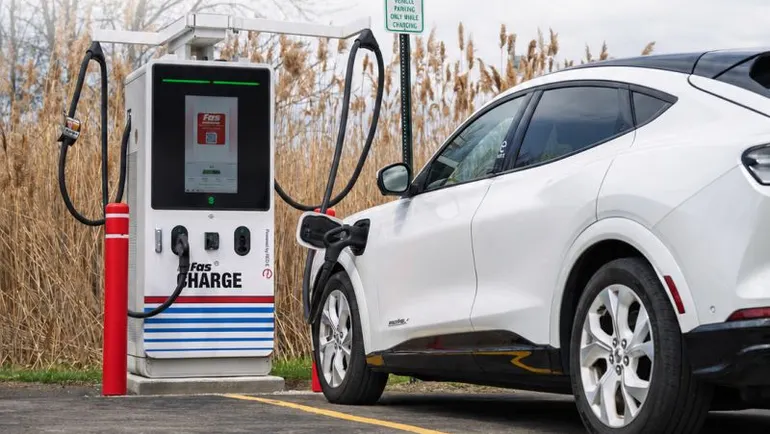
PG&E యొక్క flexible interconnection పైలట్ వేగవంతమైన విద్యుత్ ప్రాప్యతకు ఒక test caseగా మారుతోంది
Pacific Gas & Electric, సంప్రదాయ firm interconnection అనుమతించేదానికంటే చాలా వేగంగా పెద్ద కొత్త విద్యుత్ వినియోగదారులను distribution gridకు కలపడానికి రూపొందించిన పైలట్ ప్రోగ్రామ్పై ఆసక్తి పెరుగుతోందని చెబుతోంది. Flex Connect అని పిలిచే ఈ ప్రోగ్రామ్, స్థానిక grid పరిస్థితులు కఠినంగా ఉన్నప్పుడు, తమ power useపై occasional utility-imposed limitsను అంగీకరించడానికి సిద్ధంగా ఉన్న కస్టమర్లను లక్ష్యంగా పెట్టుకుంది.
ఈ ఒప్పందం ముఖ్యమైనది, ఎందుకంటే అమెరికా అంతటా అనేక ప్రాంతాల్లో కొత్త electric service కోసం queue పొడవుగా మారుతోంది. EV charging operators, data center developers, manufacturers, మరియు storage projects అన్నీ ఒకేసారి కొత్త capacity కోరుతున్నాయి, అదే సమయంలో utilities network upgrades కోసం నెమ్మదైన timelinesను ఎదుర్కొంటున్నాయి. PG&E ప్రారంభ ఫలితాలు, కొంతమంది కస్టమర్లు yearsన్నర వేచి ఉండటానికి బదులుగా కొన్ని నెలల్లో energize కావడానికి non-firm connectionను అంగీకరించడానికి సిద్ధంగా ఉండవచ్చని సూచిస్తున్నాయి.
PG&E ప్రకారం, ప్రోగ్రామ్లోని customers పायलట్ మొదటి రెండు సంవత్సరాల్లో 90% గంటల సమయంలో వారికి అవసరమైన capacityను పొందగలిగారు. స్థానిక grid constraints మరియు అధిక customer demand ఒకేసారి సంభవించే అరుదైన క్షణాల్లో active participants యొక్క operational loads 1% కంటే తక్కువ సమయంలో మాత్రమే ప్రభావితమయ్యాయని utility కూడా తెలిపింది.
ప్రోగ్రామ్ ఎలా పనిచేస్తుంది
Flex Connect ఒక practical exchange చుట్టూ నిర్మించబడింది. ఒక customer తన own energy management systemను PG&E యొక్క grid management platformకు అనుసంధానిస్తుంది. తరువాత PG&E స్థానిక grid availability ఆధారంగా scheduled లేదా real-time capacity limitsను అందిస్తుంది, మరియు customer తన loadను ఆ పరిమితి లోపల ఉంచాల్సి ఉంటుంది.
అంటే, అన్ని అవసరమైన upgrades పూర్తైన తర్వాత conventional interconnection ద్వారా వచ్చే ఎప్పుడూ అందుబాటులో ఉండే, పూర్తిగా firm serviceను customer పొందదు. దాని బదులుగా, constrained circuitsపై stressను తగ్గించగల operating rules కింద gridకు ముందస్తు access పొందుతుంది.
కొన్ని businessesకు అది ఆమోదయోగ్యమైన compromise. ఉదాహరణకు, EV fast-charging operators, brief constrained periods సమయంలో మొత్తం siteను delay చేయడం బదులు charger outputను manage చేయగలరు. Battery storage projects కూడా ఎప్పుడు, ఎలా charge చేయాలో flexibility కలిగి ఉండవచ్చు. Smaller data centers మరియు advanced manufacturing facilities కూడా, managed load adjustmentsను ఎంతవరకు తట్టుకోగలరో బట్టి, candidatesగా ఉండవచ్చు.
ఇప్పుడు దీన్ని ఎవరు ఉపయోగిస్తున్నారు
PG&E Utility Diveకు తెలిపిన వివరాల ప్రకారం, ప్రస్తుతం ఐదు active Flex Connect customers మరియు సుమారు 85 prospective participants ఉన్నారు. ప్రస్తుత మరియు సంభావ్య customersలో ఎక్కువ మంది EV charging businessలో ఉన్నారు, కానీ pipelineలో smaller data centers, advanced manufacturing sites, మరియు California’s wholesale marketలో పాల్గొనాలనుకునే battery energy storage facilities కూడా ఉన్నాయి.
ఆ projects యొక్క typical size 2 megawatts నుండి 5 megawatts వరకు ఉంటుందని utility తెలిపింది, అయితే కొన్ని data center మరియు manufacturing prospects 10 megawattsకు దగ్గరగా ఉన్నాయి. ఈ వివరాలు ముఖ్యమైనవి, ఎందుకంటే ఈ ప్రోగ్రామ్ చాలా చిన్న లేదా అత్యంత experimental loadsకే పరిమితం కాదని ఇవి చూపుతున్నాయి. ఇది transportation electrification మరియు industrial growthకు పెరుగుతున్న ప్రాముఖ్యత కలిగిన మధ్యస్థాయి projectsపై పరీక్షించబడుతోంది.
PG&E ప్రకారం, ఈ ప్రోగ్రామ్ direct commission mandateకి కాకుండా customer feedbackకి ప్రతిస్పందనగా వచ్చింది. ఈ origin story గమనించదగ్గది. Utilities తరచుగా regulators ఒక conceptను explore చేయాలని ఆదేశించినప్పుడు లేదా policy targets అలా చేయాల్సిన బాధ్యతను సృష్టించినప్పుడు కొత్త programsను pilot చేస్తాయి. ఈ సందర్భంలో, utility ప్రకారం, customers themselves ముందస్తు access to powerను unlock చేసే ఒక option కోసం ఒత్తిడి చేశారు, ఆ accessకు operational conditions ఉన్నప్పటికీ.
ఇది Northern Californiaను దాటి ఎందుకు ముఖ్యం
Flex Connect పరిష్కరించేందుకు ప్రయత్నిస్తున్న సమస్య PG&E territoryకే పరిమితం కాదు. power sector అంతటా, utilities కొత్త service applicationsలో పెరుగుదల చూస్తున్నాయి, అదే సమయంలో అదనపు capacity నిర్మాణానికి ఎక్కువ సమయం పడుతోంది. ఫలితంగా, customers energize కావాలనుకునే వేగం మరియు grid infrastructure విస్తరించగల వేగం మధ్య gap పెరుగుతోంది.
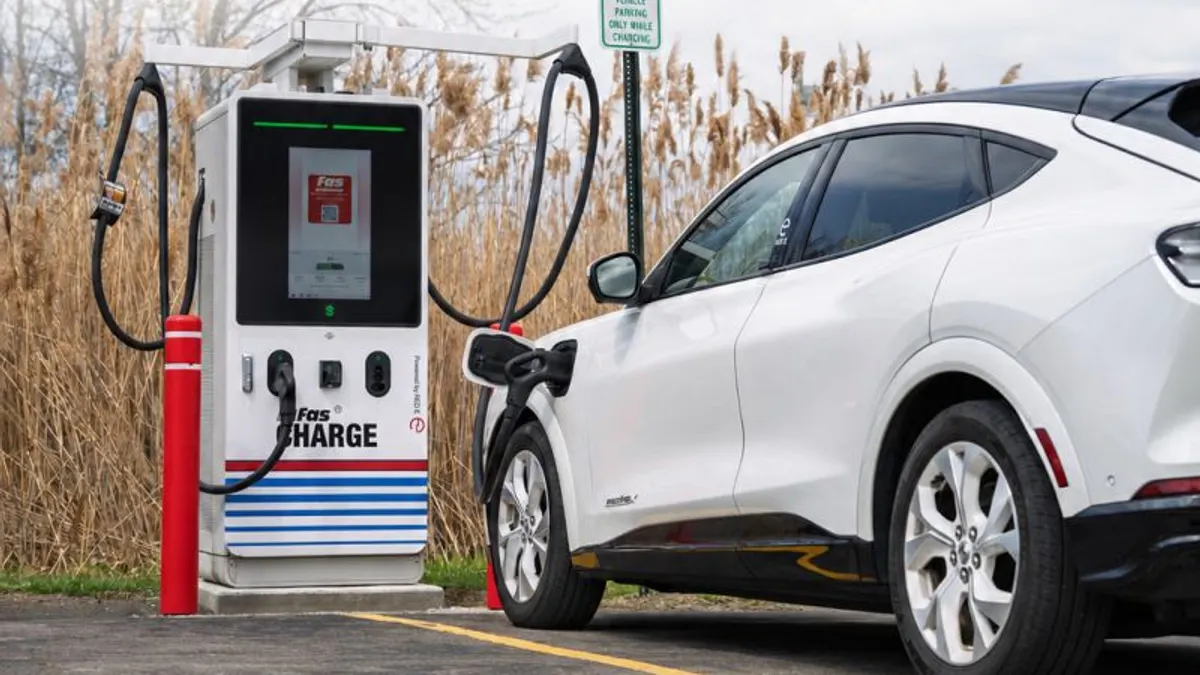
ఆ gap ఆర్థికంగా మరింత ప్రాముఖ్యంగా మారుతోంది. EV charging networks డ్రైవర్లు ప్రయాణించే చోట powerను కావాలి. Industrial operators capital commit చేసే ముందు certainty కోరుకుంటారు. Data center developers reliable service ఉన్న sites కోసం వెతుకుతున్నారు. Storage developersకు market opportunitiesకు సరిపోయే interconnection timelines కావాలి. ప్రతి సందర్భంలో, delays deploymentను మందగించవచ్చు, costsను పెంచవచ్చు, లేదా investmentను elsewhereకు మళ్లించవచ్చు.
Flexible interconnection ఆ ఒత్తిడికి ఒక సమాధానం. ప్రతి కొత్త loadను firm capacity కోసం all-or-nothing requestగా చూసే బదులు, utility స్పష్టంగా నిర్వచించిన constraints కింద ముందస్తు serviceను అందించగలదు. ఈ concept better visibility, tighter coordination, మరియు customers demandను actively manage చేయాలనే సిద్ధతపై ఆధారపడి ఉంటుంది; వారు కావాలనుకున్నప్పుడు powerను simply consume చేయడం కాకుండా.
ఆ modelను ఈరోజు, ఒక దశాబ్దం క్రితం కంటే సులభంగా ఊహించవచ్చు. ఇప్పుడు మరింత మంది customers digitally controlled equipment, energy management software, మరియు grid నుండి signalsకు స్పందించగల storage assetsను operate చేస్తున్నారు. ఇది challengesను తొలగించదు, కానీ commercial scaleలో coordinated load managementను మరింత feasibleగా చేస్తుంది.
వాగ్దానం మరియు పరిమితులు
PG&E ప్రారంభ సంఖ్యలు encouragingగా ఉన్నాయి, కానీ అవి model యొక్క boundariesను కూడా చూపిస్తున్నాయి. 90% గంటల సమయంలో అవసరమైన capacityకు access ఉపయోగకరం, కానీ మిగిలిన constrained periods customer businessకు manageableగా ఉంటే మాత్రమే. అలాగే, operational ప్రభావం 1% కంటే తక్కువ సమయంలో మాత్రమే ఉన్నట్లు వినిపించడం చిన్నదిగా అనిపించొచ్చు, కానీ నిజమైన ప్రభావం ఆ events ఎప్పుడు జరుగుతాయో మరియు limitation ఎంత తీవ్రంగా ఉందో మీద ఆధారపడి ఉంటుంది.
అర్థం ఏమిటంటే, flexible interconnection ప్రతి projectకు firm serviceను భర్తీ చేసే అవకాశం లేదు. కొన్ని loadsకు uninterrupted access అవసరం; అవి plannedగా operate చేయడానికి ముందు conventional upgrades ఇంకా కావాలి. ఇతరులు local grid reinforced అయ్యే వరకు flexible connectionను ఒక bridgeగా ఉపయోగించగలరు.
Regulatory path కూడా ముఖ్యమే. commission oversightతో ప్రోగ్రామ్ను formalize చేయడానికి పనిచేస్తున్నామని PG&E తెలిపింది. పైలట్ పెరిగితే, regulators capacity limits ఎలా communicated అవుతాయో, customer obligations ఎలా enforced అవుతాయో, ఏ protections అవసరమో, మరియు ఇలాంటి structuresను expand లేదా standardize చేయాలా అనే విషయాలను అంచనా వేయాలి.
గ్రిడ్ ఆపరేషన్లు ఏ దిశలో వెళ్తున్నాయో తెలిపే సంకేతం
Flex Connect యొక్క పెద్ద significance technical కంటే cultural కూడా కావచ్చు. ఇది static assumptions నుండి దూరంగా, utilities మరియు customers మధ్య మరింత dynamic operating arrangements వైపు కదులుతున్న power systemను ప్రతిబింబిస్తుంది. సేవకు ఒక fixed promise కంటే, grid real-time పరిస్థితులు మరియు digital control ద్వారా ఆకృతీకరించిన access tiersను అందించగలదు.
ఇది ఒకేసారి electrification, industrial growth, మరియు infrastructure bottlenecksను ఎదుర్కొంటున్న electricity systemకు consequential shift. జాగ్రత్తగా నిర్వహిస్తే, దీని ద్వారా utilities మరిన్ని projectsను త్వరగా connect చేయడం మరియు long-term upgrades నిర్మాణంలో ఉండగానే ఉన్న assetsను మెరుగ్గా ఉపయోగించడం సాధ్యమవుతుంది. తప్పుగా నిర్వహిస్తే, service quality గురించి గందరగోళం కలిగించవచ్చు లేదా operational riskను customersపై ఎక్కువగా మోపవచ్చు.
ప్రస్తుతానికి, PG&E pilot ఈ మధ్యస్థ మార్గానికి meaningful demand ఉందని సూచిస్తోంది. కొత్త power కోసం years వేచి ఉండడం entire business plansను ఆపివేసే కాలంలో, fast, mostly available, మరియు occasionally constrained అయిన connection projectsను ముందుకు తీసుకెళ్లడానికి సరిపోవచ్చు.
- PG&E ప్రకారం active Flex Connect customers pilot మొదటి రెండు సంవత్సరాల్లో 90% గంటల సమయంలో అవసరమైన capacityను పొందారు.
- అరుదైన స్థానిక grid constraints సమయంలో operational loads 1% కంటే తక్కువ సమయంలో మాత్రమే ప్రభావితమయ్యాయని utility తెలిపింది.
- ప్రస్తుత మరియు సంభావ్య participantsలో ఎక్కువ మంది EV charging projects; data centers, manufacturing, మరియు battery storage నుండి కూడా ఆసక్తి ఉంది.
ఈ వ్యాసం Utility Dive రిపోర్టింగ్పై ఆధారపడి ఉంది. మూల వ్యాసాన్ని చదవండి.
Originally published on utilitydive.com




