A stronger result than the broader EV narrative would suggest
The U.S. electric-vehicle market has spent much of the past year under the shadow of incentive changes and softer demand narratives. That makes a new claim from California startup Harbinger notable: the company says it sold roughly twice as many electric vehicles in the fourth quarter as in the third quarter, even after the federal EV tax credit ended on September 30. If the figures hold up under broader market scrutiny, they point to an important distinction in transportation electrification: commercial fleet adoption does not necessarily move in lockstep with the consumer passenger-car market.
According to figures Harbinger shared with CleanTechnica, the company also sold more medium-duty electric vehicles in 2025 than all competitors combined and moved more commercial Class 4-6 EVs than the entire U.S. market registered in 2024. Because Harbinger is still a young company, those comparisons need context. It began producing vehicles at scale only in April of last year. Rapid growth from a small base is easier to achieve than at mature automakers. But even with that caveat, the sales trajectory is worth attention.
Why the Class 4-6 segment matters
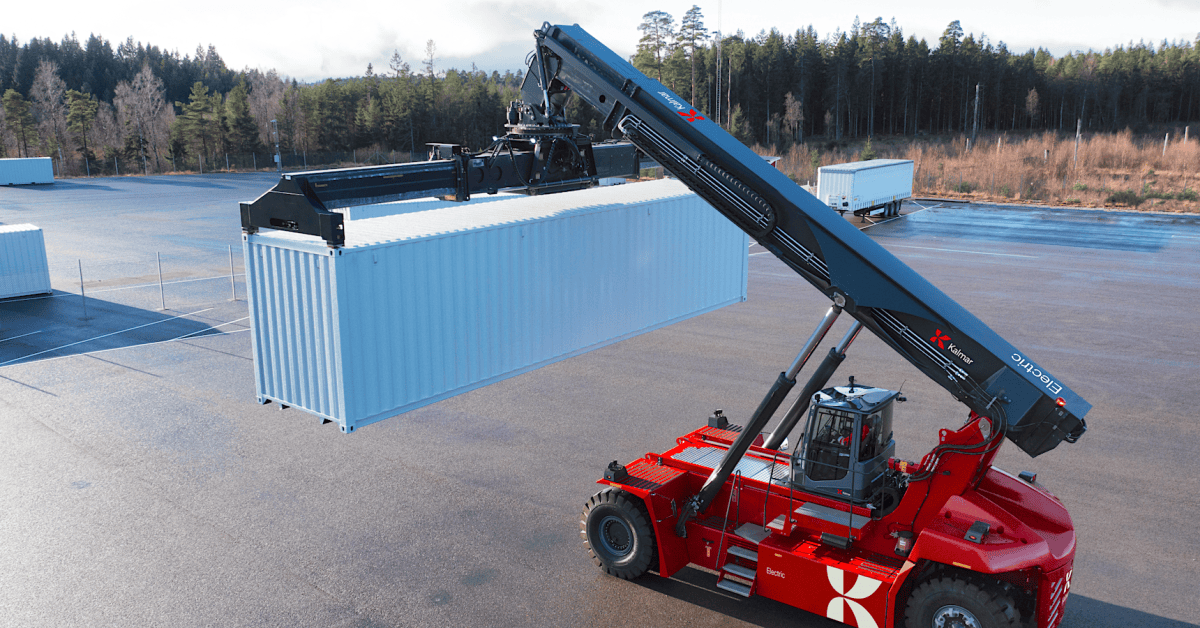
Harbinger focuses on Class 4-6 medium-duty vehicles, a segment that sits between the consumer pickup market and the long-haul heavy truck business. These vehicles are used in applications such as delivery, specialty fleets and service operations, and their duty cycles often make them more compatible with electrification than the public conversation around EVs tends to assume.
The company’s approach centers on a customizable all-electric stripped chassis, which allows different commercial bodies and use cases to be built on a common platform. That matters because medium-duty buyers often value fit-for-purpose vehicle design more than brand loyalty or lifestyle positioning. For fleet managers, uptime, operating cost and route suitability carry more weight than the consumer signals that dominate retail auto coverage.
CleanTechnica cited International Council on Clean Transportation data showing how underdeveloped the segment still is. In the first half of 2024, 1,381 new heavy-duty Class 8 zero-emission trucks and similar vehicles were registered in the U.S., while only 165 medium-duty Class 4-6 zero-emission trucks were registered over the same period. S&P Global data cited by Harbinger put the full-year 2024 total for Class 4-6 EV registrations at 460.
Those numbers make two things clear at once. First, the medium-duty electric truck market remains small. Second, that small size leaves room for a focused entrant to reshape the competitive picture quickly.

Fragmentation may be an advantage, not a weakness
Harbinger’s market opportunity also reflects the unusual structure of the segment. CleanTechnica noted ICCT’s observation that the medium-duty truck market showed a high degree of fragmentation in manufacturer market share in 2024. No single automaker dominated. Tesla, which looms over many EV discussions, does not make Class 4-6 electric trucks.
That absence is strategically important. In consumer EVs and even in parts of the heavier truck market, new entrants often have to fight for oxygen against much larger incumbents or category-defining brands. In Class 4-6, by contrast, the field appears less settled. That allows a startup with a focused product and the right backers to build traction faster than it could in a more consolidated segment.
Harbinger does appear to have some of the ingredients needed for that push. CleanTechnica highlighted support from THOR Industries and dealer ETHERO Truck + Energy, both relevant names for commercial deployment. Those ties matter because fleet electrification is not just about building vehicles. It depends on sales channels, service relationships and customer confidence that the platform can fit real operational needs.
What the sales claim does and does not prove
The company’s headline numbers should still be read carefully. Harbinger is citing its own sales figures, and the market remains early enough that modest absolute volumes can produce dramatic percentage changes. “Selling like hotcakes” makes for a sharp headline, but it does not mean medium-duty electrification has become mainstream overnight.
What the data does suggest is that the end of a federal tax credit did not stop demand in every EV segment. That is meaningful because it challenges the assumption that policy support is the only thing holding up electrification. In fleet markets, the economics can work differently. Buyers may be more sensitive to total cost of ownership, maintenance, route predictability and vehicle utilization than to headline purchase incentives alone.
That does not make policy irrelevant. It does mean the commercial case can sometimes stand on more than subsidies, particularly in applications where daily mileage, charging access and duty cycles are favorable. Medium-duty fleets, unlike many consumer buyers, often make procurement decisions through spreadsheet logic rather than personal identity or retail market mood.
A useful signal for the next phase of EV adoption
The broader lesson from Harbinger’s results is that EV adoption will likely remain uneven across segments. Passenger vehicles may encounter one set of barriers while commercial use cases advance on another timetable. Some categories will depend heavily on incentives, while others will move because the operational math is starting to work.
That is why the company’s progress deserves attention even if the market is still small. It suggests the next meaningful gains in electrification may come not from splashy consumer launches, but from less glamorous segments where the product is well matched to the job. Medium-duty commercial trucks are exactly the kind of category where that could happen.
Harbinger’s performance is not proof that the sector has been solved. It is, however, a useful reminder that emerging transportation markets rarely develop uniformly. Sometimes the real story is not where the headlines are loudest, but where the fit between technology and use case is strongest.
- Harbinger says its medium-duty EV sales roughly doubled quarter over quarter after the federal tax credit ended.
- The Class 4-6 market is still small and fragmented, creating room for a focused entrant.
- The results suggest fleet electrification can advance even when broader EV sentiment looks mixed.
This article is based on reporting by CleanTechnica. Read the original article.
Originally published on cleantechnica.com