Horizon Worlds ముగింపు
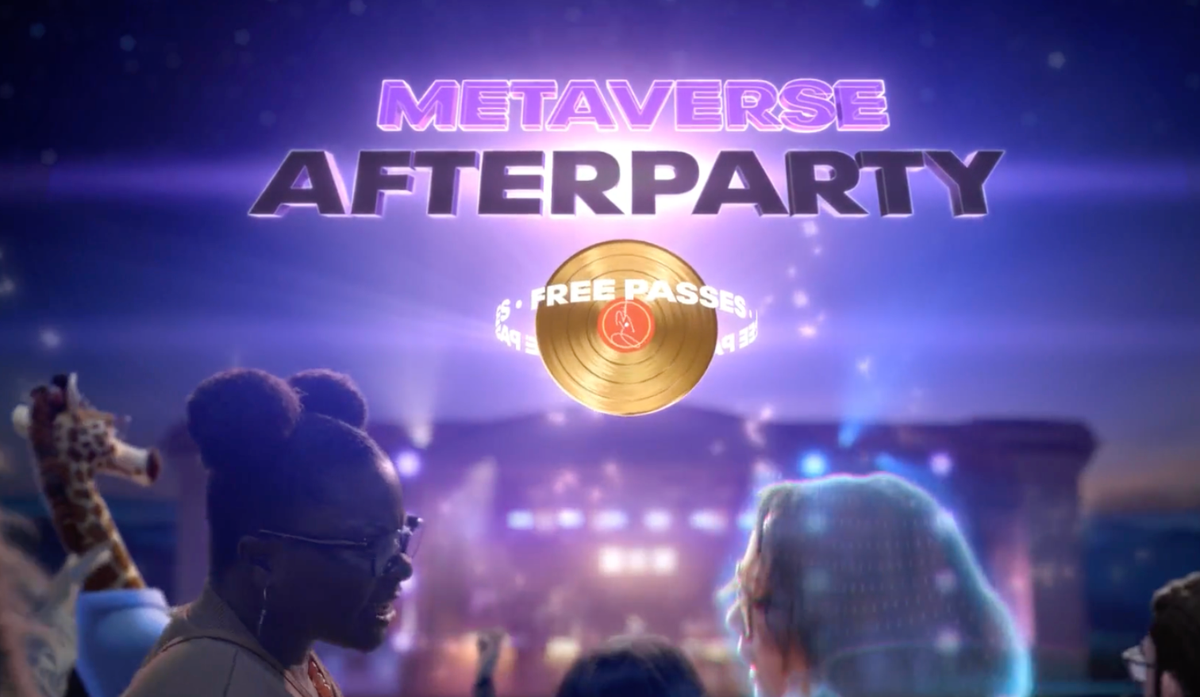
Mark Zuckerberg యొక్క trillion-dollar metaverse gambitకు ప్రజా ముఖంగా మారిన virtual reality social platform Horizon Worldsకు Meta ఇప్పుడు తెరదించుతోంది. ఈ మూసివేత corporate technology చరిత్రలో అత్యంత ఖరీదైన, విస్తృతంగా నవ్వులపాలైన pivotsలో ఒకటికి సమర్థవంతమైన ముగింపును సూచిస్తుంది — ఐదు సంవత్సరాల్లో Reality Labs ఖర్చుల్లో Meta అంచనాల ప్రకారం $80 billion ఖర్చయిన, నిరంతర అపహాస్యానికి గురైన, మరియు దాని మూల ప్రతిపాదనను సమర్థించే వినియోగదారులను ఆకర్షించడంలో విఫలమైన ఒక పందెం.
Horizon Worlds 2021లో దాదాపు ఏకగ్రీవ నిరసనతో ప్రారంభమైంది. కాళ్లు లేని blocky avatars ఖాళీ virtual spacesలో నిలబడి ఉన్న screenshots విస్తృతంగా పంచబడ్డాయి, దానికి ప్రతిగా Zuckerberg స్వయంగా updated graphicsను పోస్ట్ చేశారు, అవి విమర్శకులను కొంతమేరకే శాంతింపజేశాయి. monthly active user numbers, వెల్లడించిన చోటల్లా, ప్రెస్కు leaked అయిన internal planning documentsలో అంచనా వేసిన వందల millions కంటే చాలా తక్కువగా ఉన్నాయి.
Metaverse ఎందుకు విఫలమైంది
metaverse concept మొదటి నుంచే skepticsకు కనిపించిన, కానీ Meta leadershipకు కనిపించని అనేక సమస్యలతో బాధపడింది. మొదటి సమస్య hardware: consumer VR headsets ఇంకా ఖరీదైనవి, బరువైనవి, మరియు సామాజికంగా ఉపయోగించడానికి awkwardగా ఉన్నాయి. ఇప్పటివరకు తయారైన అత్యంత polished consumer VR headset అయిన Quest 3, enthusiasts మరియు gamersకు మాత్రమే అమ్ముడైంది — office workers, social networkers, casual users అనే mass marketకు కాదు; metaverse narrativeకు అవసరమైనది అదే.
రెండో సమస్య use case. Horizon Worlds users environments నిర్మించి socialize కావడానికి virtual spaceను అందించింది, కానీ ప్రతి సంబంధిత అంశంలోనూ ఈ అనుభవం ఉన్న ప్రత్యామ్నాయాల కంటే గణనీయంగా inferiorగా ఉంది. remote meetings కోసం video calls మరింత సులభమైనవి, సహజమైనవి. క్షణాలను పంచుకోవడానికి social media మరింత సౌకర్యవంతం. interactive entertainment కోసం video games మరింత polished, మరింత engaging. అధిక తరచుదనం ఉన్న ఏ ప్రవర్తనకూ metaverse స్పష్టమైన advantage ఇవ్వలేదు.
మూడో సమస్య సమయం. pandemic కారణంగా virtual interactionపై వచ్చిన ఆసక్తి, metaverseను కొంతకాలం plausibleగా కనిపింపజేసింది, కానీ ప్రత్యక్ష సామాజిక జీవితం తిరిగి ప్రారంభమైన వెంటనే అది వేగంగా తగ్గిపోయింది. VRలో తమ professional lifeను గడిపే remote workers అనే ఊహించిన wave meaningful scaleలో ఎప్పుడూ కనిపించలేదు.
$80 బిలియన్ లెక్క
metaverse visionను అనుసరించేందుకు ప్రత్యేకంగా ఏర్పాటైన Meta యొక్క Reality Labs division, తన ఏర్పాటినుంచి $60 billion కంటే ఎక్కువ cumulative operating lossesను నివేదించింది. hardware development, staffing, marketingలను కలపగా మొత్తం metaverse-adjacent spending $80 billion వైపు చేరుతుందని analyst estimates చెబుతున్నాయి. ఈ ఖర్చు core Facebook business TikTok నుండి తీవ్రమైన పోటీని, అలాగే advertiser concerns about brand safetyను ఎదుర్కొంటున్న సమయంలో జరిగింది.
కంపెనీ 2022 మరియు 2023 మధ్య 21,000 మందికిపైగా ఉద్యోగులను తొలగించింది, దీనిని Zuckerberg Year of Efficiency అని పిలిచిన restructuringలో భాగంగా చేశారు — ఇది publicగా vision పట్ల ఆయన నిబద్ధతను కొనసాగించినప్పటికీ, metaverse పందెం నుంచి course correctionగా విస్తృతంగా అర్థం చేసుకున్నారు.
ఇప్పుడు ఏమిటి
వింత ఏమిటంటే, Meta యొక్క hardware investments నిజంగా విజయవంతమైన ఒక productను అందించాయి: Ray-Ban Meta smart glasses, ఇవి కొన్ని సంవత్సరాలుగా ఏ Meta hardware productకన్నా బాగా అమ్ముడయ్యాయి. ఈ glasses ambient AI assistance కోసం తేలికైన, సామాజికంగా ఆమోదయోగ్యమైన form factorను అందిస్తున్నాయి — immersive metaverse అందించలేకపోయిన విధంగా compellingగా మారిన use case.
metaverse వైఫల్యం, వెనక్కి తిరిగి చూస్తే, technological capability మరియు product-market fit మధ్య ఉన్న సంబంధంపై ఒక హెచ్చరిక కథ కూడా. VR technology గణనీయంగా అభివృద్ధి చెందింది. displays మరింత sharpగా ఉన్నాయి, tracking మరింత accurateగా ఉంది, comfort మెరుగైంది. మారని విషయం ఏమిటంటే, virtual spacesలో headsets ధరించి తమ జీవితాల్లో గణనీయమైన భాగాన్ని గడపాలని ప్రజలు కోరుకుంటారా అన్న ప్రశ్న. ఇప్పటికి సమాధానం స్పష్టంగా లేదు.
ఈ వ్యాసం 404 Media నివేదికపై ఆధారపడింది. మూల వ్యాసాన్ని చదవండి.
Originally published on 404media.co