పరిమాణం మరియు ప్రతీకాత్మకతతో నిర్వచించబడిన మిషన్
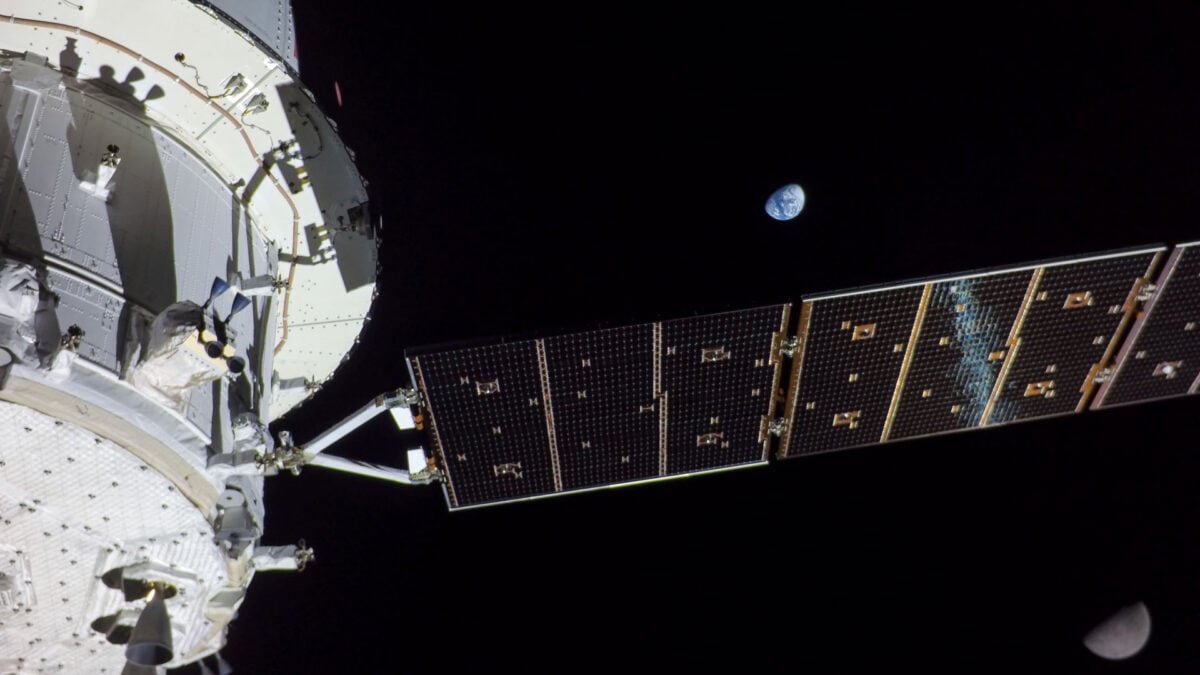
NASA యొక్క Artemis 2 మిషన్ను ఒక సాంకేతిక మైలురాయిగా చూపిస్తున్నారు, కానీ దాని గణాంకాలు ఇది రాజకీయ, సాంస్కృతిక ఘటన కూడా అని స్పష్టంగా తెలియజేస్తున్నాయి. ఈ మిషన్ నలుగురు వ్యోమగాముల బృందాన్ని 10 రోజుల ప్రయాణంలో చంద్రుడి చుట్టూ పంపనుంది, ఇది లో ఎర్త్ ఆర్బిట్కు మించిన దీర్ఘ అంతరిక్షంలో మానవజాతి తిరిగిరావడాన్ని Apollo యుగం తర్వాత తొలిసారిగా సూచిస్తుంది.
ఆ దీర్ఘ విరామమే మిషన్తో ముడిపడిన అత్యంత గమనార్హమైన గణాంకాల్లో ఒకటి. ప్రయోగం తర్వాత Orion చంద్రుడి వైపు బయలుదేరే సమయానికి, 1972లోని Apollo 17 తర్వాత సుమారు 19,474 రోజులు గడిచినట్లవుతుంది. ఈ విస్తృతి Artemis 2 నిజంగా ఏమి సూచిస్తుందో రेखांकితం చేస్తుంది: గత చంద్ర అన్వేషణతో సాధారణ కొనసాగింపు కాదు, అర శతాబ్దానికి పైగా లేకపోయిన సామర్థ్యాన్ని తిరిగి స్థాపించాలనే ప్రయత్నం.
రాకెట్ ఇప్పటికీ ప్రధాన కేంద్రం
Artemis ఇంకా ఎంతవరకు పెద్ద, సంప్రదాయ ప్రయోగ హార్డ్వేర్పై ఆధారపడుతుందో ఈ గణాంకాలు కూడా చూపిస్తున్నాయి. NASA యొక్క Space Launch System ప్రయోగ సమయంలో 8.8 మిలియన్ పౌండ్ల త్రస్ట్ ఉత్పత్తి చేస్తుందని అంచనా, దీని వల్ల ఇది అత్యంత శక్తివంతమైన పనిచేస్తున్న రాకెట్గా మారుతుందని మూల వ్యాసం పేర్కొంది. ఈ వ్యవస్థలో ఒక కోర్ స్టేజ్తో పాటు నాలుగు RS-25 ఇంజిన్లు మరియు రెండు సాలిడ్ రాకెట్ బూస్టర్లు ఉంటాయి, ఇవే త్రస్ట్లో ఎక్కువ భాగం ఇస్తాయి.
ఆ శక్తితో పాటు సంక్లిష్టత కూడా వస్తుంది. కోర్ స్టేజ్కు 733,000 గ్యాలన్ల సూపర్-కూల్డ్ ద్రవ హైడ్రోజన్ మరియు ద్రవ ఆక్సిజన్ అవసరం, ఇది లీకేజీ సమస్యలతో NASAను పలుమార్లు సవాలు చేసిన ప్రొపెలెంట్ కలయిక. ప్రయోగానికి ముందే ఇది మిషన్ కథలో భాగమవుతుంది: Artemis 2 కేవలం అంతరిక్ష నౌక ఎక్కడికి వెళ్తుందనే విషయం మాత్రమే కాదు, అత్యంత కఠినమైన ప్రయోగ కార్యక్రమాన్ని NASA ఈ హార్డ్వేర్తో విజయవంతంగా నిర్వహించగలదా అనే ప్రశ్న కూడా.

ఖర్చు ప్రశ్న ఎప్పుడూ ప్రస్తావనలోనే ఉంటుంది
Artemisతో అనుసంధానమైన అత్యంత కీలకమైన గణాంకాల్లో ఒకటి సాంకేతికం కాకుండా ఆర్థికం. NASA Office of Inspector General 2023 నివేదికలో ఒకే SLS ప్రయాణానికి కనీసం $4.2 బిలియన్ ఖర్చయ్యిందని అంచనా వేశారు. ఆ సంఖ్య ఈ నిర్మాణం స్థిరంగా కొనసాగుతుందా అనే విమర్శలను సంవత్సరాలుగా బలపరుస్తోంది, ముఖ్యంగా వాణిజ్య ప్రత్యామ్నాయాలు అభివృద్ధి చెందుతున్న వేళ.
అయినప్పటికీ Artemis 2 ఆzelfde నిర్మాణంలోనే ముందుకు సాగుతోంది. సాంస్కృతికంగా, ఇది అసాధారణ ద్వంద్వత్వాన్ని సృష్టిస్తుంది. ఈ మిషన్ చంద్ర అన్వేషణకు తిరిగి రావడం, మరియు వ్యోమగాములను మళ్లీ చంద్రుని సమీపానికి తీసుకెళ్లే ఒక పెద్ద అడుగుగా ప్రశంసించబడుతోంది, అదే సమయంలో ప్రభుత్వ ఆధ్వర్యంలోని భారీ-లిఫ్ట్ అంతరిక్ష ప్రయాణ వ్యయంపై పునరావృత కేస్ స్టడీగా కూడా నిలుస్తోంది.
ఆ ఉద్వేగమే Artemis 2 అంతరిక్ష రంగానికి మించి ఎందుకు ఆకర్షణ పొందుతోందో వివరిస్తుంది. ఇది కేవలం ఒక మిషన్ కాదు. 21వ శతాబ్దంలో మహత్తర అన్వేషణను ఎలా నిధులందించాలి, నిర్మించాలి, మరియు సమర్థించాలి అనే దానిపై ఇది ఒక వాదన.
ప్రాతినిధ్యం మిషన్ కథనంలో భాగం
బృందమే ఈ విస్తృత సాంస్కృతిక రూపకల్పనకు తోడ్పడుతోంది. మూల పాఠ్యంలో Victor Glover చంద్ర మిషన్కు ఎగరబోయే తొలి నల్లజాతీయ వ్యోమగామిగా, Christina Koch తొలి మహిళగా, మరియు Jeremy Hansen ఆ పని చేయబోయే తొలి అమెరికన్ కాని వ్యక్తిగా పేర్కొనబడ్డారు. ఈ మైలురాళ్లు ముఖ్యమైనవి, ఎందుకంటే Artemisను Apollo పునరావృతంగా కాకుండా, భిన్నమైన జాతీయ మరియు అంతర్జాతీయ ప్రాజెక్ట్గా స్థాపిస్తున్నారు.
ఆ దృష్టిలో ఈ మిషన్ ప్రాధాన్యం ఇంజనీరింగ్కే పరిమితం కాదు. NASA చంద్ర అన్వేషణను ప్రాతినిధ్యం, కూటమి నిర్మాణం, మరియు దీర్ఘకాలిక భాగస్వామ్యం గురించి నేటి అంచనాలతో మళ్లీ కలపడానికి ప్రయత్నిస్తోంది. దీని వల్ల సాంకేతిక దావాలు తగ్గిపోవు. కేవలం ప్రతీకాత్మక భారమే అసాధారణంగా పెద్దదని అర్థమవుతుంది.
ఒక flyby మిషన్ ఇంకా ఎందుకు ముఖ్యమో
Artemis 2 చంద్రుడిపై దిగదు, అందువల్ల సాధారణ వీక్షకులకు ఇది మితంగా అనిపించవచ్చు. వాస్తవానికి, క్రూతో కూడిన చంద్ర flyby ఒక తీవ్రమైన పరీక్ష. NASA తరువాతి Artemis విమానంలో ల్యాండింగ్ మిషన్ను ప్రయత్నించే ముందు, ఇది అంతరిక్ష నౌక, మిషన్ ఆపరేషన్లు, మరియు క్రూ వ్యవస్థలను దీర్ఘ అంతరిక్షంలో ధృవీకరిస్తుంది.
మూల వ్యాసంలోని “by the numbers” ఫ్రేమింగ్ పని చేస్తుంది, ఎందుకంటే ఇది కొంత సారాంశాన్ని తొలగిస్తుంది. ఇది 10 రోజుల మిషన్, 5.75 మిలియన్ పౌండ్ల బరువు గల రాకెట్పై, మిలియన్ల పౌండ్ల త్రస్ట్తో, లక్షల గ్యాలన్ల క్రయోజెనిక్ ప్రొపెలెంట్ను ఉపయోగిస్తూ, భారీ ఖర్చుతో, 53 సంవత్సరాలకు పైగా తర్వాత చంద్రుని పొరుగు ప్రాంతానికి క్రూతో తిరిగి వెళ్లే ప్రయాణం.
ఈ గణాంకాలు Artemis సరైన నిర్మాణమా అనే దీర్ఘకాలిక చర్చకు సమాధానం ఇవ్వవు. కానీ అవి దానిలోని దావాలను స్పష్టం చేస్తాయి. Artemis 2 ఒకే సమయంలో సాంకేతిక పరీక్షా ప్రయాణం కూడా, NASA యొక్క విస్తృత చంద్ర వ్యూహానికి ప్రతిష్ఠాత్మక పరీక్ష కూడా.
అంతరిక్ష కథ అంతా, సంస్కృతి కథ కూడా
అందుకే ఈ మిషన్ శాస్త్రీయ సంభాషణలో ఎంత భాగమో, సాంస్కృతిక సంభాషణలో కూడా అంతే భాగం. ఈ స్థాయి అంతరిక్ష అన్వేషణ సంస్థలు ఏమి విలువిస్తాయో, సమాజాలు ఏం నిధులందించడానికి సిద్ధంగా ఉన్నాయో ప్రతిబింబిస్తుంది. Artemis 2 ఒకే ప్రయోగంలో అనేక పెద్ద ప్రశ్నలను కుదిస్తుంది: ప్రజాస్వామ్య ప్రభుత్వాలు ఇప్పటికీ పెద్ద అన్వేషణ కార్యక్రమాలను కొనసాగించగలవా, ప్రజా ప్రతీకాత్మకత ఆర్థిక పర్యవేక్షణతో కలిసి ఉండగలదా, మరియు చంద్రునికి తిరిగి వెళ్లడం నాస్టాల్జిక్గా కాకుండా ముందుచూపుతో అనిపించగలదా.
సమాధానాన్ని గణాంకాలు మాత్రమే నిర్ణయించవు. కానీ మిషన్ ఎందుకు ఇంత పెద్ద కేంద్రబిందువుగా మారిందో అవి వెల్లడిస్తాయి. Artemis 2 చిన్నది కాదు, చవక కాదు, సులభం కాదు. NASA దీర్ఘ అంతరిక్షానికి తన తిరుగుప్రయాణాన్ని అత్యంత పెద్ద స్థాయిలో చేస్తోంది, మరియు మిషన్కు అనుసంధానమైన గణాంకాలు ఆ నిర్ణయం ఎంత భారాన్ని మోస్తోందో చూపిస్తున్నాయి.
ఈ వ్యాసం Gizmodo యొక్క రిపోర్టింగ్ ఆధారంగా ఉంది. మూల వ్యాసాన్ని చదవండి.
Originally published on gizmodo.com