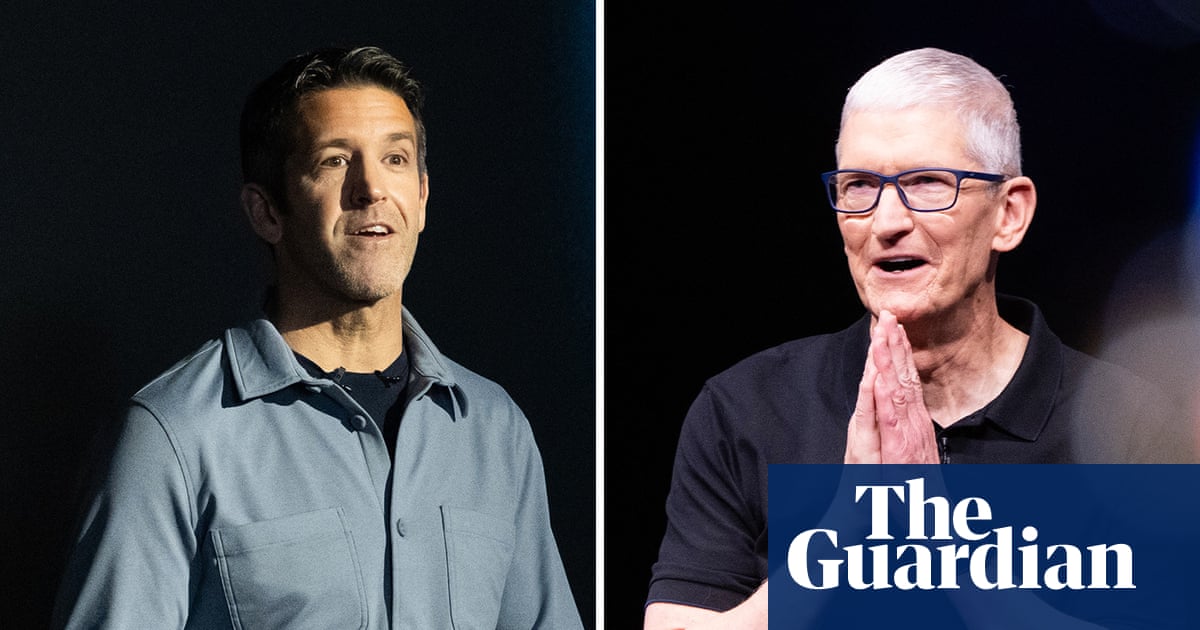
Apple enters a new era with Tim Cook as executive chair
Apple has opened one of the most consequential leadership transitions in its modern history. After 15 years as chief executive, Tim Cook has handed the CEO role to longtime hardware leader John Ternus, while remaining at the company as executive chair. The move immediately shifts attention from a familiar stewardship model to a new power structure that combines continuity at the top with a fresh operating leader expected to define Apple’s next product cycle.
The transition is significant not only because of Cook’s long tenure, but because it comes at a moment when investors and industry analysts are pressing Apple on several fronts at once: how it will deepen its use of artificial intelligence, whether it can keep expanding its hardware franchise, and how the company will manage leadership succession without unsettling one of the world’s most valuable businesses.
According to the reported compensation details, Cook’s package as executive chair includes a $2 million base salary and $45 million in shares. Half of that share award depends on performance targets, while the remainder is set to vest over four years. That structure suggests Apple wants Cook’s new role to be more than symbolic. Even after stepping aside as CEO, he remains financially and strategically tied to the company’s medium-term performance.
Ternus steps into a role shaped by product expectations
Ternus arrives in the chief executive role from Apple’s hardware engineering organization, where he oversaw teams across the company’s product lineup. That background matters. Apple’s next phase is likely to be judged less by operational discipline alone and more by whether it can translate engineering depth into new categories, stronger device upgrades and more convincing AI-enabled user experiences.
His compensation reflects that expectation. The reported package includes a $3 million base salary and a $55 million share award, with a heavier performance orientation than Cook’s. The difference is telling: Apple appears to be signaling both confidence in Ternus and a clear demand for execution. He inherits a company with immense scale, but also a much narrower margin for surprise than Apple had during earlier growth eras.
Cook leaves behind a record that is difficult to separate from Apple’s rise into an even larger global force. During his time as CEO, the company’s stock climbed sharply and its market value expanded from roughly $350 billion to about $4.7 trillion, based on the source reporting. He also reinforced Apple’s reputation for supply-chain precision, turning operational excellence into a strategic advantage rather than a back-office function.
That legacy creates a paradox for Ternus. He takes control of a company with enormous strengths, but the scale of those achievements raises the baseline for what counts as success. Maintaining performance is no longer enough to define a new era. He will need to show that Apple can still create meaningful product momentum while adapting to a tech market increasingly shaped by AI competition and faster platform shifts.
Why the transition matters beyond executive pay
Leadership changes at Apple rarely function as ordinary corporate reshuffles. They are interpreted as signals about product direction, strategic priorities and governance. Cook remaining as executive chair preserves continuity and likely reassures markets that Apple is not severing itself from the management system that has underpinned its rise since 2011. At the same time, the elevation of Ternus points to a renewed emphasis on engineering-led execution.
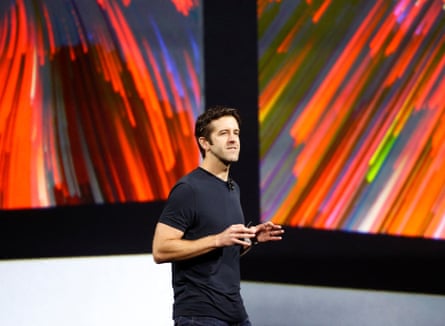
That matters because Apple is entering a more demanding phase of competition. Analysts are expecting not just iterative upgrades, but clearer evidence that the company can integrate AI into hardware and services in a way that feels distinctively Apple. The pressure is especially intense because Apple has historically benefited from controlling the relationship between silicon, software and industrial design. If AI becomes a central layer of computing, the company will be judged on whether that integration advantage still translates into category leadership.
The timing of the handoff adds to the stakes. Ternus’s first major public test is expected to be Apple’s annual iPhone event on September 9, 2026, where new products are anticipated, including a foldable handset according to the source material. Whether or not every rumored device appears, the event will be read as an early measure of how the new CEO intends to present Apple’s roadmap.
Investors will also watch whether the company’s public messaging changes. Under Cook, Apple’s communication style has been disciplined, measured and operationally confident. Ternus may preserve that tone, but his engineering background could place greater emphasis on product architecture, technical differentiation and long-range platform building. Even subtle changes in how Apple frames its priorities could influence expectations across suppliers, developers and competitors.
Continuity at the top, pressure underneath
Cook’s continued presence as executive chair may smooth the transition, but it also creates an unusual dynamic. A predecessor with deep institutional authority and immense personal credibility can stabilize a succession plan, yet the arrangement also ensures that the new CEO will operate under close comparison. The challenge for Ternus is to establish independent legitimacy without appearing to break from a system that has worked exceptionally well.
That is why the compensation packages matter beyond headline value. They reveal how Apple is allocating responsibility. Cook is being rewarded for continued stewardship and strategic continuity. Ternus is being paid to deliver the next chapter. The distinction is subtle, but crucial.
For Apple, this is not merely a change in titles. It is the beginning of a test about whether one of the most disciplined companies in technology can renew itself from within. The company still has scale, cash, brand loyalty and a tightly integrated product ecosystem. But transitions become defining only when they force a company to prove that its strengths can outlast the leader most associated with them.
Apple now has to show exactly that. The handoff from Cook to Ternus preserves experience at the top while handing day-to-day leadership to an executive shaped by product engineering. If the arrangement works, Apple may extend its ability to evolve without disruption. If it falters, scrutiny will focus quickly on whether continuity became caution at a moment that demanded invention.
- Tim Cook has moved from CEO to executive chair after 15 years leading Apple.
- John Ternus, formerly Apple’s hardware engineering chief, has become CEO.
- The transition comes as analysts look for stronger AI integration and new product momentum.
This article is based on reporting by The Guardian. Read the original article.
Originally published on theguardian.com