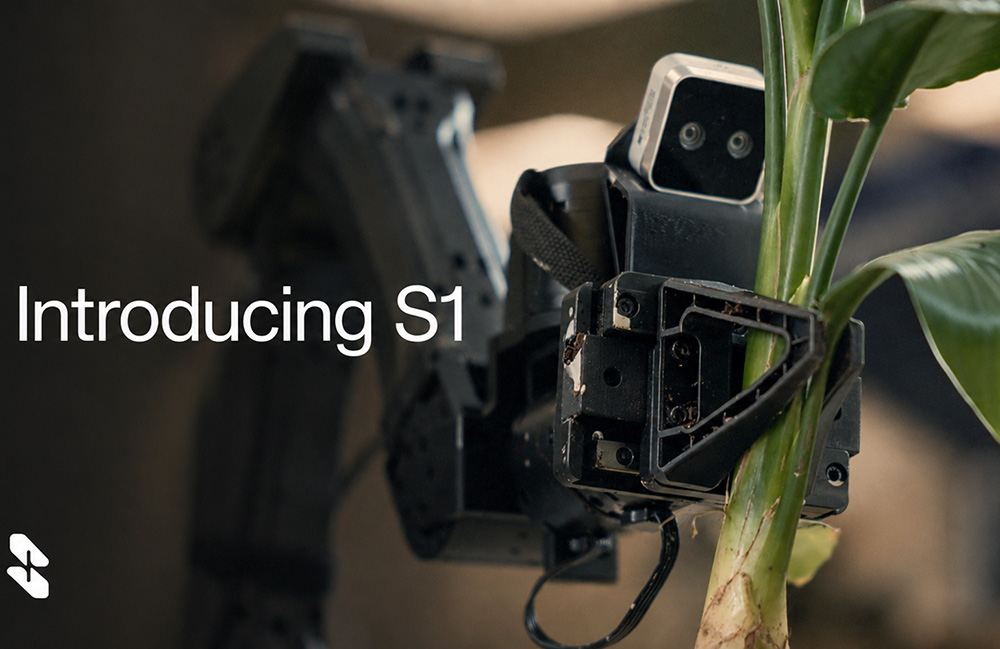
రోబోట్ నేర్పు గురించి Skild AI విస్తృతమైన దావా చేస్తోంది
Skild AI తన ప్రధాన రోబోట్ ఫౌండేషన్ మోడల్ S1ను ఆవిష్కరించింది, మరియు సంస్థ దీనిని మరింత general-purpose robotics వైపు ఒక పెద్ద అడుగుగా చూపిస్తోంది. కేంద్ర దావా ధైర్యమైనది: ప్రతి కొత్త పనికీ రోబోట్ను మళ్లీ శిక్షణ ఇవ్వడానికి బదులు, S1 ఆ పని చేస్తున్న ఒక మానవుడి వీడియోను promptలో భాగంగా తీసుకుని, ఆ ప్రవర్తనను రోబోట్పై తిరిగి ప్రదర్శించగలదు. వ్యవస్థ చెప్పినట్లే పనిచేస్తే, రోబోటిక్స్ విస్తృత స్థాయిలో వినియోగాన్ని పరిమితం చేసిన నెమ్మదైన, పని-దశల అనుకూలన నుంచి ఇది గణనీయమైన మార్పు అవుతుంది.
2023లో స్థాపితమైన ఈ సంస్థ, general-purpose robot brain అని చెప్పే దానిని నిర్మించడానికి దాదాపు $1.7 బిలియన్ సమీకరించింది. ఈ స్థాయి నిధులు, సాఫ్ట్వేర్లో పెద్ద భాషా మోడళ్లు తీసుకున్న మార్గాన్ని రోబోటిక్స్ కూడా అనుసరించగలదన్న అవకాశాన్ని పెట్టుబడిదారులు ఎంత గంభీరంగా చూస్తున్నారో చూపిస్తున్నాయి: పెద్ద మరియు వైవిధ్యమైన dataపై ఒక సాధారణ modelను శిక్షణ ఇవ్వడం, ఆపై prompting మరియు context ద్వారా దాన్ని అనేక downstream ఉపయోగాలకు అనుగుణంగా మార్చడం. భౌతిక యంత్రాలకు ఈ frameworkను వర్తింపజేయడానికి Skild AI ఇప్పటివరకు చేసిన అత్యంత స్పష్టమైన ప్రయత్నం S1.
S1 ఏమి మార్చాలని ఉద్దేశిస్తోంది
ప్రస్తుత robotics workflowsలో, కొత్త పనులకు తరచుగా post-training అవసరం అవుతుంది. అంటే ఒక నిర్దిష్ట చర్య కోసం data సేకరించడం, modelను fine-tune చేయడం, ప్రవర్తనను ధృవీకరించడం, ఆపై పని మారినప్పుడు ఇదే ప్రక్రియను మళ్లీ చేయడం. దీని ఖర్చు కేవలం computational కాదు. ఇది deploymentను నెమ్మదింపజేస్తుంది, ఉపయోగ సందర్భాల పరిధిని తగ్గిస్తుంది, మరియు తక్కువగా నిర్మితమైన పరిసరాలలో రోబోట్లు scale కావడం కష్టతరం చేస్తుంది.
Skild AI ప్రకారం, S1 ఈ bottleneckను in-context learning ద్వారా పరిష్కరిస్తుంది. CEO మరియు సహ-స్థాపకుడు Deepak Pathak, వ్యవస్థ ఎలా పనిచేస్తుందో సరళంగా వివరించారు: promptలో భాగంగా ఒక మానవుడు చర్య చేస్తుండగా的视频 ఇవ్వండి, అప్పుడు రోబోట్ దానిని అనుసరించగలదు. సంస్థ లక్ష్యంగా పెట్టుకున్న పనులు చిన్న demo snippets కాక, మరింత క్లిష్టమైన, long-horizon ప్రవర్తనలు అని చెబుతోంది.
ఆ సామర్థ్యం నిలబడి ఉంటే, దాని ప్రాముఖ్యత explicit retraining నుండి interpretation వైపు భారాన్ని మార్చడంలో ఉంటుంది. రోబోట్ కొత్త assignmentను ఎదుర్కొన్న ప్రతీసారి custom fine-tuning cycle అవసరం ఉండదు. బదులుగా, action, perception, control గురించి విస్తృత priorsను ఇప్పటికే అంతర్గతీకరించిన foundation modelను అది ఉపయోగించి, చూపించిన example ఆధారంగా run timeలో అనుకూలించుకుంటుంది.
Skild ఎందుకు నాలుగు రకాల dataను కలుపుతోంది
Skild AI వాదనలో ముఖ్య భాగం ఏమిటంటే, roboticsకు ఒకే ఉత్తమ training source ఉండదు. Pathak pretraining కోసం సంస్థ ఉపయోగించే నాలుగు వర్గాలను వివరించారు: teleoperation data, human videos, simulation, మరియు data-capture gloves. ప్రతి దానికీ tradeoffs ఉన్నాయి. Teleoperation అత్యంత సంబంధిత robot dataను ఇస్తుంది, కానీ దానిని సేకరించడం నెమ్మదిగా మరియు ఖరీదుగా ఉంటుంది. Human video విరివిగా మరియు వైవిధ్యంగా ఉంటుంది, కానీ robot embodimentతో నేరుగా సరిపోదు. Simulation బాగా scale అవుతుంది, కానీ వాస్తవ ప్రపంచ పరిస్థితుల నుంచి దూరమయ్యే అవకాశం ఉంటుంది. Glove-based capture ఈ రెండింటి మధ్యలో ఉంటుంది; teleoperation కంటే తక్కువ direct transferతో మరింత scale చేయదగిన human demonstrations అందిస్తుంది.
ఈ రంగం తరచుగా ఈ pipelinesలో ఒకదానిపై మాత్రమే అతిగా ఆధారపడిందని Skild యొక్క అభిప్రాయం. వాటిని కలిపితే, ఒకదానిలోని బలాలను మరొకదాని బలహీనతలను పూడ్చడానికి ఉపయోగించవచ్చని సంస్థ చెబుతోంది. Human videos విస్తృతిని ఇస్తాయి. Teleoperation మరియు glove capture physical groundingను మెరుగుపరుస్తాయి. Simulation తక్కువ ఖర్చుతో coverageను పెంచుతుంది. ఈ వ్యూహం శుద్ధమైన data sourceను ఎంచుకోవడం కంటే, అసంపూర్ణమైన sourceల మధ్య generalize అయ్యేంత బలమైన modelను నిర్మించడం గురించి ఎక్కువగా ఉంది.
ఈ దృక్పథం AIలోని విస్తృత ధోరణిని ప్రతిబింబిస్తుంది, అందులో training data యొక్క scale మరియు diversity ఆశ్చర్యకరమైన generalizationను ఉత్పత్తి చేయగలవు. కానీ robotics ఒక కఠినమైన పరిమితిని జోడిస్తుంది: model outputలు భౌతిక ప్రపంచంతో పరస్పరం పనిచేయాలి. software లోపం అసౌకర్యాన్ని కలిగించవచ్చు; robotics లోపం ఆస్తికి నష్టం, పనిలో వైఫల్యం, లేదా భద్రతా ప్రమాదాన్ని కలిగించవచ్చు. అందువల్ల data strategy ఇక్కడ అనుబంధం కాదు, కేంద్రబిందువుగా మారుతుంది.
ఒకే మార్కెట్ కోసం కాకుండా అనేక రోబోట్ల కోసం రూపొందించిన model
Skild AI launchలో మరో గమనించదగిన అంశం సంస్థ ఏమి చేయడం లేదన్నది. ఇది S1ను ఒకే industry లేదా ఒకే కఠినంగా నిర్వచించిన robotic taskపై కేంద్రీకరించడం లేదు. బదులుగా, modelను వివిధ form factors మరియు use casesకు మద్దతు ఇచ్చే cross-domain foundationగా చూపిస్తోంది. ఇది ధైర్యమైన స్థితి. Vertical robotics companies సాధారణంగా scopeను సంకుచితం చేసి, environmentను నియంత్రించి, ఒక workflow కోసం optimize చేసి విజయం సాధిస్తాయి. Skild మరింత సాధారణ system వివిధ categories అంతటా ఉపయోగపడగలదని భావిస్తోంది.
వాగ్దానం స్పష్టంగా ఉంది. ఒక common foundation model robotics developmentలో fragmentationను తగ్గించగలదు, తద్వారా developers మరియు manufacturers ప్రతి device కోసం perception మరియు action stacksను మళ్లీ నిర్మించకుండా shared capabilitiesపై నిర్మించగలరు. ఇది demonstration నుంచి deployment వరకు మార్గాన్ని కూడా తగ్గించగలదు, ముఖ్యంగా పనులు తరచుగా మారే లేదా ముందుగానే పూర్తిగా script చేయలేని పరిస్థితుల్లో.
ప్రమాదం కూడా అంతే స్పష్టంగా ఉంది. generalityని వాగ్దానం చేయడం సులభం, నిరూపించడం కష్టం. ఇచ్చిన పాఠ్యంలో Skild training design మరియు inference method వివరణపై The Robot Report కథనం ప్రకటనను ఆధారపెడుతోంది, కానీ independent benchmarkingను ఇవ్వడం లేదు. అంటే అత్యంత ముఖ్యమైన ఓపెన్ ప్రశ్న విభిన్న, వాస్తవ-ప్రపంచ పరిస్థితుల్లో పనితీరు ఎలా ఉంటుందన్నదే: వేర్వేరు robot bodies, మారుతున్న పరిసరాలు, edge cases, మరియు failure recovery.
ఈ launch ఇప్పుడు ఎందుకు ముఖ్యమైనది
ఈ unanswered questions ఉన్నప్పటికీ, S1 ఒక ముఖ్యమైన launch, ఎందుకంటే రోబోటిక్స్ రంగం ఏ దిశలో వెళ్తోందో ఇది చూపిస్తోంది. ఈ రంగం narrow automation నుంచి model-centric systems వైపు కదులుతోంది, ఇవి పనులు మరియు యంత్రాల మధ్య learningను బదిలీ చేయాలని లక్ష్యంగా పెట్టుకున్నాయి. ఇప్పుడు కంపెనీలు software agents లాగానే ఆదేశించగల రోబోట్లు కావాలని కోరుకుంటున్నాయి, ఇక్కడ demonstrations మరియు context ఎక్కువ manual engineering overheadను భర్తీ చేస్తాయి.
Skild AI launch కూడా రోబోటిక్స్ mainstream AI developmentతో ఎంత దగ్గరగా కలుస్తోందో ప్రతిబింబిస్తుంది. Foundation models, prompting, multimodal data, మరియు in-context learning ఇక కేవలం software concepts మాత్రమే కావు. అవి physical intelligence కోసం కూడా organizing ideasగా మారుతున్నాయి. S1 breakout platformగా మారినా లేదా ఒక stepping stoneగానే ఉన్నా, ఇది ప్రముఖ robotics companies progress ఎలా జరుగుతుందని భావిస్తున్నాయో దానిలో నిజమైన మార్పును పట్టిస్తుంది.
తక్షణ takeaway robots general learningను పరిష్కరించేశాయన్నది కాదు. రంగంలోని అత్యుత్తమంగా నిధులు పొందిన startupsలో ఒకటి robotics scaling problemకు ఒక నిర్దిష్ట సమాధానాన్ని ముందుకు తెస్తోందన్నదే: విస్తృతంగా శిక్షణ ఇవ్వండి, అనేక data sourcesను కలపండి, మరియు promptలో ఉన్న examples adaptation పనిలో ఎక్కువ భాగం చేయనివ్వండి. ఇది గణనీయమైన పందెం, మరియు S1 ఆ సిద్ధాంతాన్ని నమ్మదగిన వాస్తవ-ప్రపంచ ప్రవర్తనగా మార్చగలదా అని industry సన్నిహితంగా గమనిస్తుంది.
ఈ వ్యాసం The Robot Report నివేదికపై ఆధారపడి ఉంది. మూల వ్యాసాన్ని చదవండి.
Originally published on therobotreport.com