Carbon Robotics farm equipmentకు foundation-model logicను తీసుకురావడానికి ప్రయత్నిస్తోంది
వివిధ species, regions, మరియు field conditions across plant structureను అర్థం చేసుకునే విధంగా రూపొందించిన ఒకే systemతో crop-specific vision models సమాహారాన్ని మార్చేశామని Carbon Robotics చెబుతోంది. సంస్థ చెప్పే విషయం సింపుల్: ఒక grower పంటలను మార్చినప్పుడో, కొత్త geographyకి వెళ్లినప్పుడో, లేదా వేరే plantsను target చేయాలనుకున్నప్పుడో వేరే AI modelను మళ్లీ retrain చేయాల్సిన అవసరం లేదు; రైతులు ముందుగా train చేసిన ఒకే modelను నేరుగా fieldలో personalize చేసుకోవచ్చు.
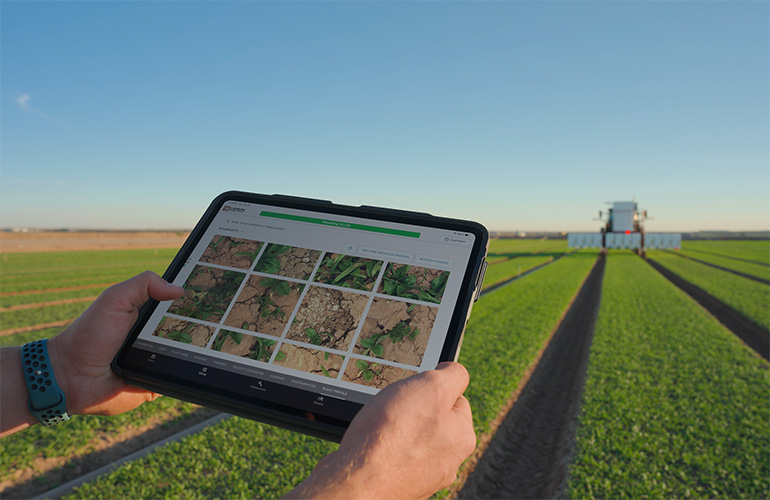
Carbon Robotics ప్రకారం, కొత్త system అది “large plant model” అని పిలిచే దానిపై ఆధారపడి ఉంది. ప్రపంచవ్యాప్తంగా సేకరించిన millions of images of baby plantsపై model train అయిందని, ఆ తర్వాత రైతు ఎంచుకున్న కొన్ని examplesతో on-siteగా customize చేయవచ్చని కంపెనీ చెబుతోంది. iPad app ద్వారా growers తమ fields నుండి thumbnailsను review చేసి, కొద్ది plantsను crop లేదా weedగా label చేస్తారు. ఆ తర్వాత కొత్త software download లేదా conventional retraining cycle అవసరం లేకుండా system తన behaviorను వెంటనే adjust చేసుకుంటుంది.
ఆ విధానం వివరించినట్టే పనిచేస్తే, agricultural machine visionలో అత్యంత స్థిరమైన సమస్యలలో ఒకదాన్ని ఇది address చేస్తుంది: నిజమైన fieldsలో edge cases చాలా వేగంగా పెరుగుతాయి. అదే plant ఒక crop rowలో కావలసినదిగా ఉండొచ్చు, అదే farmలో మరో భాగంలో అవాంఛనీయంగా ఉండొచ్చు. ఒక crop మరియు ఒక regionకు మాత్రమే narrowly tuned చేసిన model, conditions మారినప్పుడు ఇబ్బంది పడొచ్చు. విస్తృత pre-trained representationతో పాటు lightweight in-field personalization ఆ frictionలో చాలామట్టుకు తొలగించగలదని Carbon అంటోంది.
Crop-specific models నుండి ఒక general plant systemకు
ఇంతకు ముందు సంస్థ బహుళ crop-specific AI vision modelsపై ఆధారపడేది. Narrow tasksకు modelలను tailor చేయడం performanceను మెరుగుపరచే industrial machine learningలో ఇది సాధారణమైన pattern. కానీ specializationకు ఒక ఖర్చు ఉంటుంది. కొత్త field configuration, crop mix, లేదా geography model maintenanceలో మరో రౌండ్ను ప్రారంభించవచ్చు.
ఇప్పుడు Carbon Robotics విరుద్ధ architectureను వాదిస్తోంది. సంస్థ framingలో, globally trained ఒక foundation model base layerగా పనిచేయగలదు; రైతు అయితే ఏమి నిలుపుకోవాలి, ఏమి తీసేయాలి అన్న operational definitionను అందిస్తాడు. దీంతో customization machine-learning pipeline కాకుండా user workflowగా మారుతుంది.
Carbon యొక్క autonomous weeding platform అయిన LaserWeeder, herbicidesకు బదులుగా lasersను ఉపయోగించి unwanted plantsను eliminate చేస్తుంది. కొత్త modelతో, అదే system Arizonaలోని carrot field నుండి మరో farmలో lettuce లేదా herbsకు కేవలం కొన్ని minutes of configuration తర్వాత మారగలదని కంపెనీ చెబుతోంది. ఈ రకమైన rapid retuning ఈ announcementకు కేంద్రబిందువు. ఇది weed detection గురించి స్థిరమైన భావనపై కాకుండా, contextకు స్పందించగల comparison systemపై కంపెనీ ఎక్కువ దృష్టి పెట్టుతోందని సూచిస్తుంది.
Model ఎలా భిన్నంగా పనిచేస్తుందో కంపెనీ చెప్పేది
Chief Technology Officer Alex Sergeev The Robot Reportకు చెప్పిన ప్రకారం, technical difference plantలను model ఎలా evaluate చేస్తుందనే దానిలో ఉంది. ఒక plant crop లేదా weed అని simple confidence score ఇవ్వడానికి బదులుగా, farmer ఇప్పటికే గుర్తించిన examplesతో observed plantsను system compare చేస్తుందని ఆయన అన్నారు. అంటే output rigid pre-labeled class boundary కంటే, user-provided referencesతో ఉన్న similarity ద్వారా నడుస్తుంది.
ఆ తేడా ముఖ్యమైనది, ఎందుకంటే farm categories universal కావు. ఒక field లేదా regionలో unwantedగా ఉన్న plant, మరో చోట usefulగా ఉండవచ్చు. Deployment సమయంలో operator target setను define చేయనివ్వడం ద్వారా ఆ ambiguityను absorb చేయడానికి Carbon system రూపొందించబడింది. Sergeev దీన్ని instant adaptationగా వివరించారు: tool examplesను accept చేసి, longer retraining process కోసం వేచి చూడకుండా వెంటనే పనిచేయాలి.
Underlying plant AI 150 million labeled plantsపై train అయిందని కంపెనీ చెబుతోంది. ప్రాక్టికల్గా, ఆ scale ప్రారంభ దశ plant structureకు బలమైన general representationను సృష్టించడానికి ఉద్దేశించబడింది. క్షేత్రస్థాయిలో ఇచ్చే labels ఆ base పైన task instructionsలా పనిచేస్తాయి. ఇది ఇతర domainsలోని foundation modelsను local tasksకు adapt చేసే విధానంతో conceptually similar, అయితే ఇక్కడ output machine speedలో, నిజమైన farm conditionsలో పని చేయాలి.
Agricultural roboticsకు ఇది ఎందుకు ముఖ్యం
నిజమైన farms generalized autonomyకు కఠినమైన environments కావడంతో agricultural automation తరచూ అసమాన దశల్లో ముందుకు సాగింది. Soil conditions మారుతాయి, lighting shifts అవుతుంది, crop arrangements grower마다 భిన్నంగా ఉంటాయి, మరియు weed pressure ఒక field నుండి మరో fieldకు consistent కాదు. నియంత్రిత demosలో బాగా పనిచేసే systems, ప్రతి కొత్త use caseకు ఇంకో engineering pass అవసరమైతే scale చేయడం ఖరీదైనదిగా మారుతుంది.
Carbon Robotics ఆ scaling costను తగ్గించడానికి ప్రయత్నిస్తోంది. Personalizationను model-development team నుండి దూరం చేసి operatorకు దగ్గరగా తీసుకువెళ్లడం ద్వారా, దాని machineను త్వరగా deploy చేయగల farms పరిధిని విస్తరించగలదు. వ్యవసాయ పరికరాల స్వీకరణ raw technical capability మాత్రమే కాకుండా, tool growerలకు ఎంత setup, tuning, మరియు downtime విధిస్తుంది అనేదానిపై కూడా ఆధారపడేందున ఇది వాణిజ్యపరంగా ముఖ్యమైనది.
ఈ announcement roboticsలో విస్తృత trendను కూడా ప్రతిబింబిస్తుంది. మరిన్ని కంపెనీలు foundation models నుండి ఆలోచనలను తీసుకుని వాటిని physical systemsకు వర్తింపజేస్తున్నాయి, అక్కడ flexibility precisionతో సమానంగా ముఖ్యమైనది. వ్యవసాయంలో, high levelలో చాలా పనులు ఒకేలా కనిపించినప్పటికీ, operationally ముఖ్యమైన వివరాల్లో అవి భిన్నంగా ఉండటం వల్ల ఆ trend ప్రత్యేకంగా ఆకర్షణీయంగా ఉంది.
iMeritతో Carbon భాగస్వామ్యం ఆ వ్యూహంలోని మరో కీలక అంశాన్ని సూచిస్తోంది: data. Foundation-model claims extensive, high-quality labelingపై ఆధారపడతాయి, మరియు crops, growth stages, geographies, imaging conditions across biological variationను capture చేయాల్సి రావడం వల్ల agricultural datasets నిర్మించడం కష్టం. Pretraining dataపై కంపెనీ ఉంచిన emphasis dataset scaleను కేవలం training requirementగా కాకుండా competitive moatగా చూస్తున్నదని సూచిస్తోంది.
నిజమైన పరీక్ష “instant” సాధారణమవుతుందా అన్నదే
ఈ announcementలో అత్యంత ముఖ్యమైన claim model పెద్దదని కాదు. రైతులు దాన్ని నిమిషాల్లో adapt చేయగలరని, machine వెంటనే స్పందిస్తుందని. అది productionలో నమ్మదగినదిగా నిరూపితమైతే, agricultural robotics ఎలా configure చేయబడుతుంది, ఎలా అమ్మబడుతుంది అన్నదానిని మార్చగలదు. ఇకపై repeated crop-by-crop model rebuilds అవసరం లేని system deploy చేయడానికి, విస్తరించడానికి, మరియు working farm rhythmలో సరిపెట్టడానికి మరింత సులభం.
బలమైన technical concept మరియు field-scale consistency మధ్య ఇంకా practical gap ఉంది, మరియు source material independent performance benchmarksను అందించలేదు. కానీ Carbon Robotics ఏ దిశగా వెళ్తుందో ఇది చూపిస్తోంది: narrowly scoped crop models నుండి దూరంగా, growers themselves steer చేయగల మరింత general plant-recognition layer వైపు.
ఇది farm AIకు ఒక meaningful shift. software fieldకు తగినంత వేగంగా చేరుకునే వరకు రైతులు వేచి ఉండాలని అడగడం బదులుగా, కంపెనీ field యొక్క వేగానికే softwareను అనుగుణంగా మార్చుకుంటుందని హామీ ఇస్తోంది.
ఈ వ్యాసం The Robot Report అందించిన నివేదిక ఆధారంగా ఉంది. మూల వ్యాసాన్ని చదవండి.
Originally published on therobotreport.com