New
SpaceMore in Space→
Stanford's 'World Model' Teaches Spacecraft to Dream Their Way to Docking
Key Takeaways
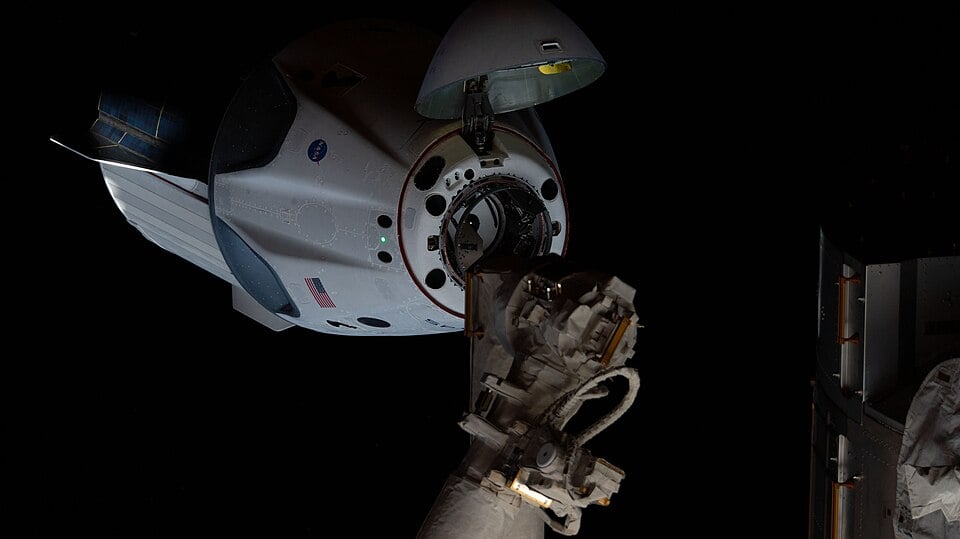
- Docking with the ISS requires matching speeds near 28,000 km/h, where accelerating forward causes an upward drift and there is no air friction to slow a craft.
- Traditional docking uses Guidance, Navigation and Control algorithms with Extended Kalman Filters, but Kalman filters struggle with high-speed video and computer vision is fragile in glare or shadow.
- Reinforcement learning can fail when rules change, such as a different ISS docking port orientation.
- Stanford's Out-of-this-World Model (OWM) uses a 'World Model' to run mental simulations, inspired by how a baseball outfielder predicts a fly ball without solving equations.
DE
DT Editorial Team··via universetoday.com