Regulating the Cockpit of the Future
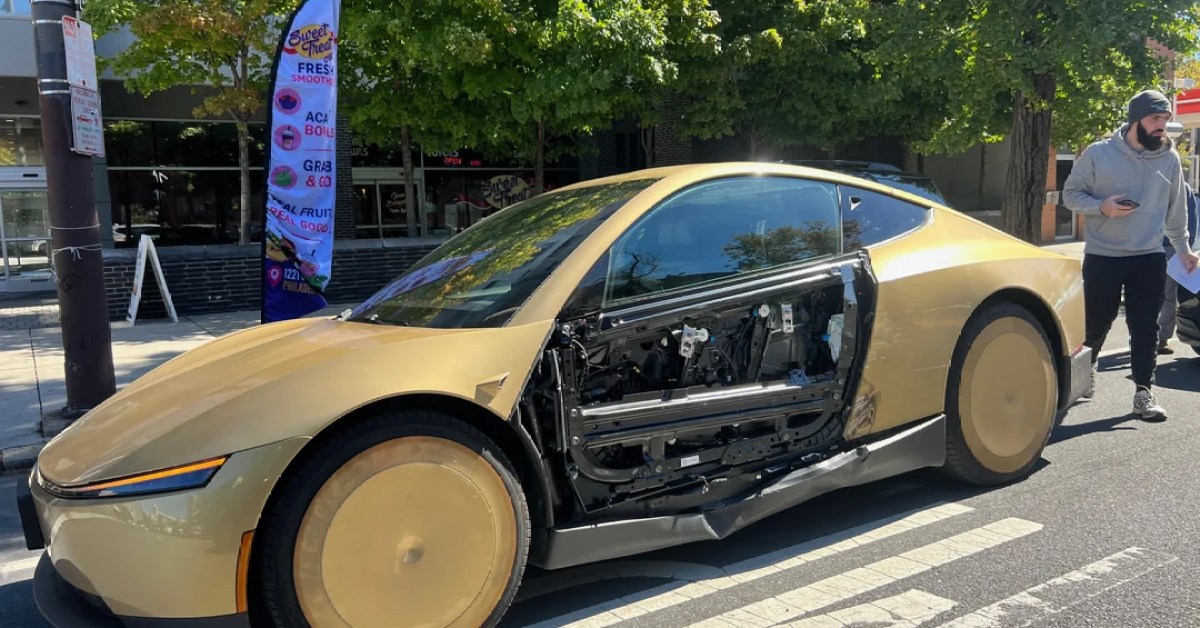
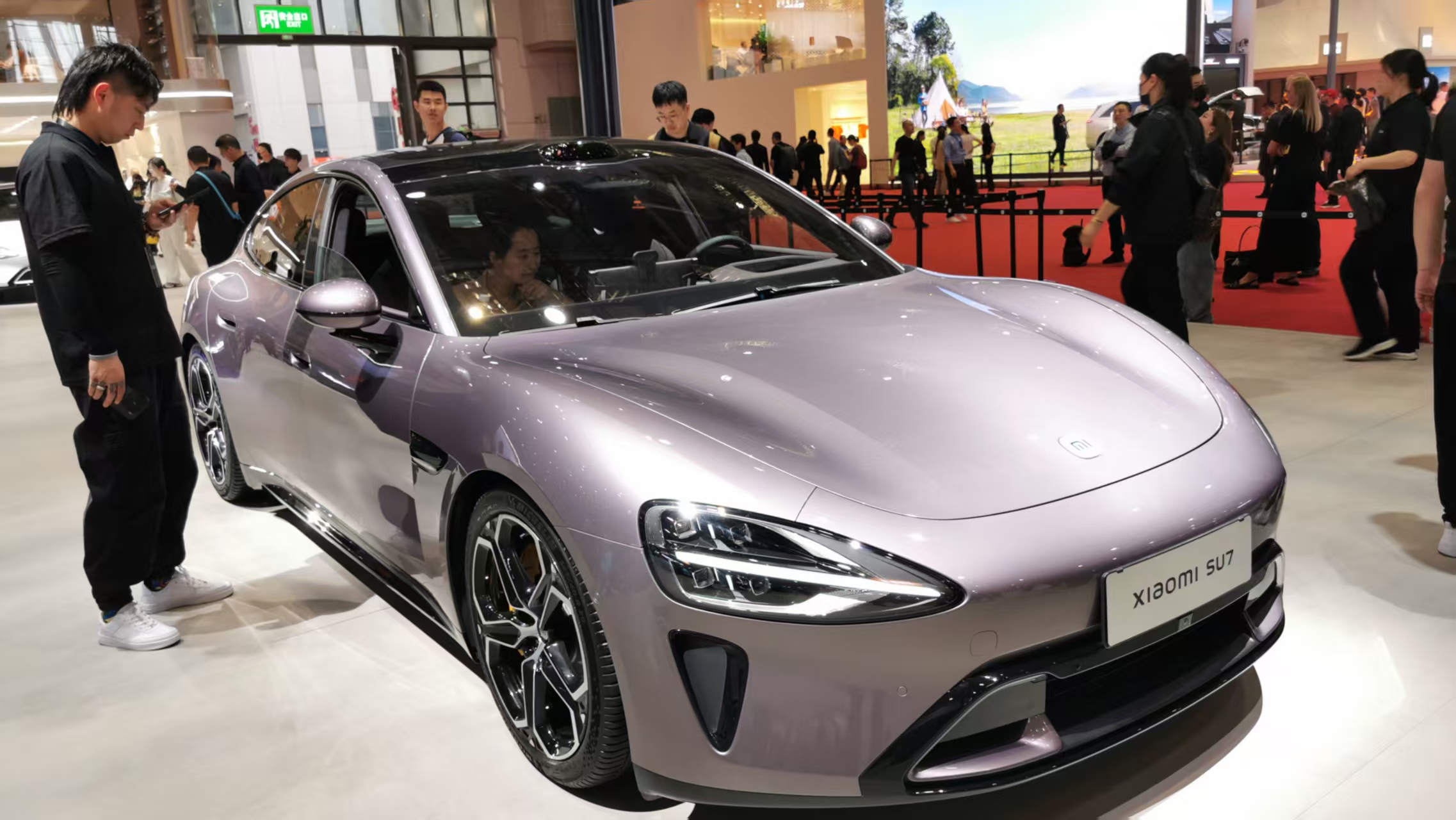
Electric vehicles have enabled a dramatic reimagining of the interior automotive experience. Without a transmission tunnel, with simplified powertrains and flat floors, EV interiors can be designed in ways impossible for combustion vehicles. Automakers — from Tesla to NIO to BYD — have used that freedom to replace conventional dashboard layouts with large horizontal touchscreens, digital instrument clusters, hidden flush door handles, and yoke steering wheels derived from aircraft design.
China has now become the first country to mandate specific safety standards targeting these distinctive EV interface elements. Beijing's new regulations establish requirements for how touchscreen controls must function in moving vehicles, what minimum feedback requirements apply to yoke steering wheels, and how hidden door handles must perform in emergency egress scenarios. The rules position China as the world's first comprehensive regulator of EV cockpit ergonomics.
What the New Standards Require
The touchscreen standards address a concern that safety researchers have raised consistently since Tesla popularized the move from physical controls to software-driven interfaces: that operating a touchscreen while driving imposes longer eyes-off-road time and higher cognitive load than operating a physical switch. The Chinese regulations establish minimum requirements for physical controls for critical functions — climate, audio volume, hazard lights — that must remain accessible without navigating a touchscreen menu hierarchy.
For yoke steering wheels — the distinctive butterfly-shaped steering control that replaces a full circular wheel — the new standards address both ergonomic safety concerns and the fundamental question of what happens at low speeds when full lock-to-lock steering input is required. Chinese regulations will require automakers to demonstrate that yoke-equipped vehicles meet minimum maneuverability standards and that drivers receive adequate feedback for parking and low-speed maneuvering.
The flush door handle standards respond to documented incidents in emergency situations — accidents where trapped occupants or first responders were unable to open doors quickly because handle mechanisms were not immediately intuitive under stress. The requirements establish minimum opening force thresholds, require passive backup mechanisms operable without electronic activation, and mandate that emergency services receive technical documentation on door entry procedures for all new vehicle models.
Why China Is Leading Here
China's ability to move quickly on EV-specific regulation reflects the structure of its automotive regulatory system and the composition of its new vehicle market. With EVs now accounting for more than 50 percent of new car sales in China — a penetration rate far higher than any other major market — the Chinese automotive safety authority has a larger real-world population of vehicles with these novel interface features to study and more urgent reason to act.
Chinese automakers also have competitive reasons to support harmonized safety standards that could become a de facto global benchmark. For Chinese EV makers exporting to Europe and other markets, having engineered to a rigorous domestic safety standard provides a framework for regulatory compliance discussions with foreign authorities — the same dynamic that has sometimes made European safety standards global standards.
Global Implications
Automakers in Europe, the United States, and Japan are watching these developments closely. The European Commission has been examining EV interface safety issues through its general vehicle type approval framework, but has not yet promulgated EV-specific interface standards. The U.S. National Highway Traffic Safety Administration has raised concerns about distraction from large touchscreen interfaces but has not moved to specific rulemaking.
China's move to comprehensive standards first could trigger a global follow-on regulatory wave — or could create a situation where global automakers are engineering to Chinese standards by default, simply because they are the most specific and binding requirements in any major market. Either outcome would represent a significant shift in who drives the global automotive safety agenda, and for an industry that has historically looked to Europe and the U.S. for regulatory direction, the change is notable.
This article is based on reporting by Automotive News. Read the original article.