A Constellation Milestone
On March 17, 2026, SpaceX crossed a threshold that would have seemed implausible a decade ago: 10,000 active satellites in low Earth orbit, all part of the Starlink broadband constellation that has become the company's most commercially significant product and the backbone of a service covering hundreds of millions of potential customers globally.
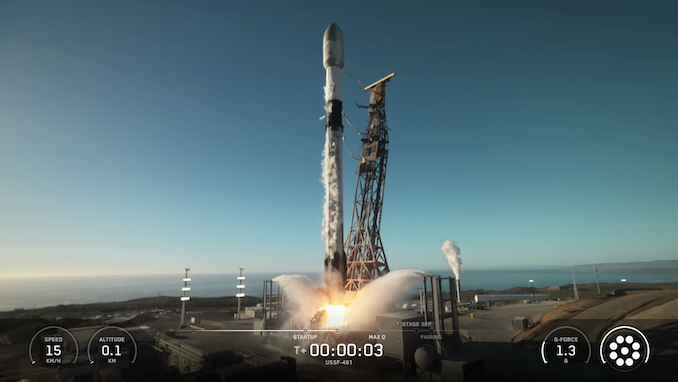
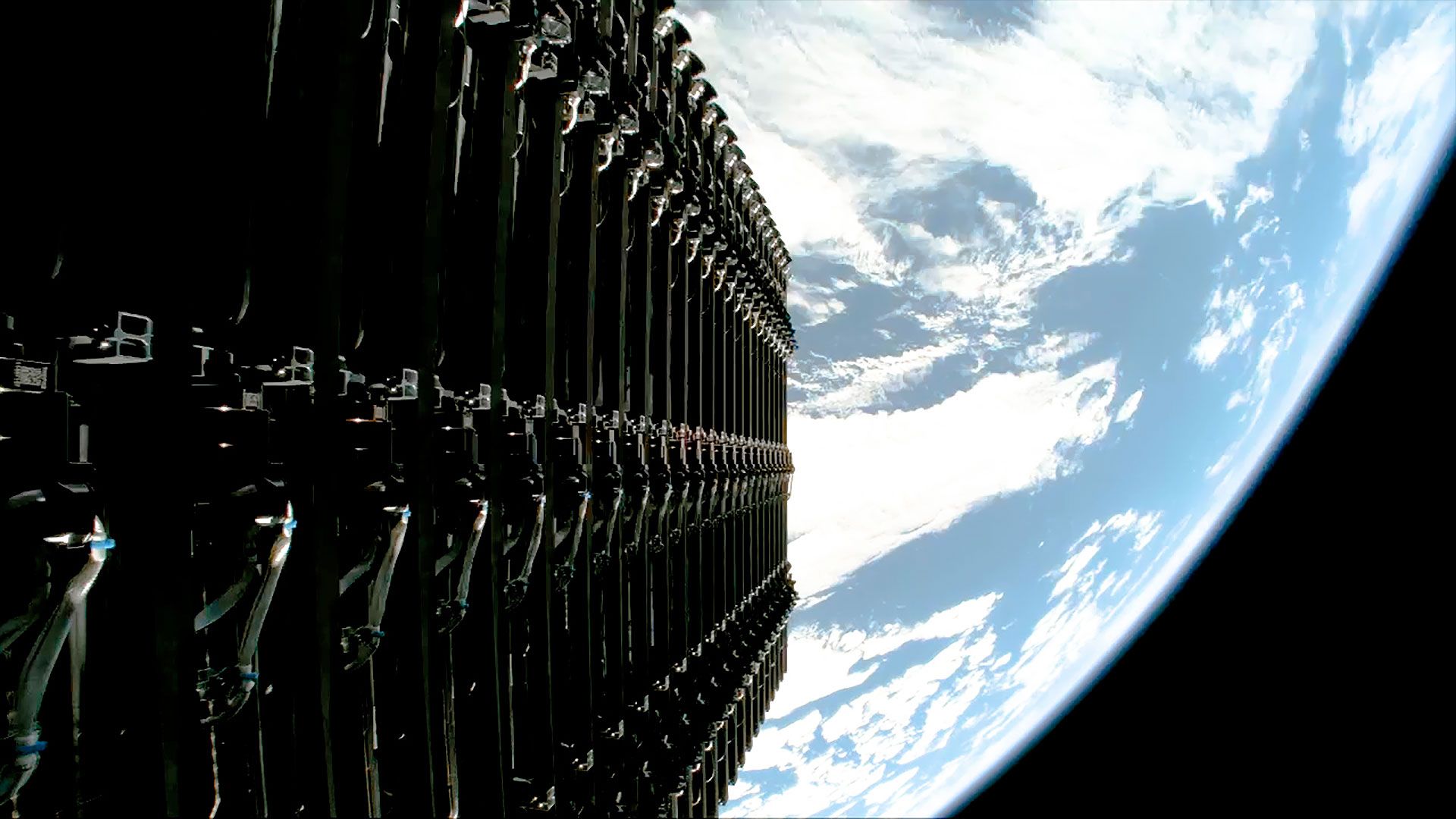
The milestone was reached after SpaceX launched two Falcon 9 rockets on the same day — a demonstration of the operational cadence that has become routine for a company that treats orbital launches with the kind of regularity that commercial airlines apply to flight schedules. Each mission carried another batch of Starlink satellites into the roughly 550-kilometer orbital shell that forms the core of the constellation.
The Scale of the Constellation
Ten thousand active satellites is a number that is difficult to contextualize without historical reference. The entire satellite industry, across all operators and all nations, had placed fewer than 10,000 objects in orbit across the entire history of the space age through approximately 2019. SpaceX alone has now deployed and is actively operating that number — a concentration of orbital infrastructure with no precedent.
The constellation as a whole — including satellites not yet operational, decommissioned satellites awaiting deorbit, and shells at different altitudes — is substantially larger than the 10,000 active figure. SpaceX has FCC authorization for up to 12,000 satellites in the first-generation constellation and has applied for authorization for a second-generation system of up to 30,000 additional satellites.

What 10,000 Satellites Enables
The practical significance of constellation density is that it directly determines latency, capacity, and coverage quality for end users. A denser constellation means more satellites are in view from any given point on Earth at any given time, enabling shorter signal paths, higher aggregate throughput per region, and more reliable connectivity during satellite handovers.
SpaceX has been able to offer progressively improving service quality as the constellation has grown — latency has decreased from over 40ms in early deployments to consistently under 30ms in fully populated orbital shells, and peak data rates available to terminal users have increased substantially. The 10,000-satellite mark represents a level of density at which further additions primarily add capacity and redundancy rather than coverage expansion.
Competitive Landscape
The Starlink constellation has achieved a market position that competitors are struggling to challenge. Amazon's Project Kuiper is progressing toward commercial service but remains years behind in constellation build-out. OneWeb, now under Eutelsat, has a smaller constellation optimized for enterprise customers. Chinese state-sponsored LEO constellations are under development but have not yet reached commercial scale.
The combination of Starlink's constellation scale, SpaceX's vertically integrated manufacturing and launch capability, and expanding market penetration creates structural advantages that are increasingly difficult for new entrants to overcome. A competitor seeking to replicate Starlink's current capability would need to fund, manufacture, and launch thousands of satellites — a capital and operational challenge measured in the tens of billions of dollars.

The Orbital Sustainability Question
The achievement of 10,000 active satellites also intensifies discussions about orbital sustainability and space traffic management. Astronomers have documented the impact of satellite trails on long-exposure astronomical observations, and the risk of cascading debris from collisions in densely populated orbital shells becomes statistically more significant as constellation sizes grow. SpaceX has committed to deorbiting satellites within five years of end of life, but the broader question of how international regulatory frameworks will govern mega-constellation development remains unresolved.
This article is based on reporting by Space.com. Read the original article.
Originally published on space.com