NASA ஆய்விலிருந்து செய்முறை காட்சிப்படுத்தலுக்கு கலவை உற்பத்தியை முன்னெடுக்கிறது
NASA-வின் High-Rate Composite Aircraft Manufacturing திட்டம், அல்லது HiCAM, 2026 வசந்தகாலத்தில் Langley Research Center-இல் நடைபெற்ற மதிப்பாய்வுடன் பெரிய அளவிலான விமான உற்பத்தி இலக்குகளுக்கு இன்னொரு படி முன்னேறியுள்ளது. அந்தக் கூட்டத்தில், திட்டத்தின் 22 உறுப்பினர்களைக் கொண்ட பொது-தனியார் Advanced Composites Consortium-இலிருந்து சுமார் 150 பேர் கலந்து கொண்டு சமீபத்திய முன்னேற்றத்தை மதிப்பிட்டு, அடுத்த பணிகளைத் திட்டமிட்டனர்.
முதலில் பார்த்தால், ஒரு திட்ட மதிப்பாய்வு வழக்கமான நிர்வாகச் செயல்முறையாகத் தோன்றலாம். ஆனால் விண்வெளி உற்பத்தியில், ஒரு ஆராய்ச்சி திட்டம் இன்னும் சாத்தியக்கூறுகளை மட்டும் ஆராய்கிறதா, அல்லது நடைமுறைப்படுத்தக்கூடிய முறைகளுக்கு நெருங்கி வருகிறதா என்பதை வெளிப்படுத்தும் இடமாக இது பெரும்பாலும் அமையும். NASA வழங்கிய விவரங்கள், HiCAM இப்போது அந்த இரண்டாவது நிலையில் உறுதியாக உள்ளது என்பதைக் காட்டுகின்றன.
திட்டத் தேர்வுகளில் இருந்து அளவுப்பெருக்கப்பட்ட காட்சிப்படுத்தலுக்கு
அடுத்த விமானத் திட்டத்திற்கான உற்பத்தி வேகத்தில் மிகப் பெரிய தாக்கத்தை அளிக்கும் என எதிர்பார்க்கப்படும் தொழில்நுட்பங்களைத் தேர்வு செய்ய சமீபத்தில் portfolio முடிவுகளை எடுத்ததாக NASA தெரிவித்தது. இது முக்கியமான ஒரு சிக்னல். பரந்த அளவிலான நம்பிக்கையளிக்கும் யோசனைகளில் முயற்சியைச் சிதறடிப்பதற்குப் பதிலாக, நடைமுறை உற்பத்தி சூழல்களில் உண்மையாக முக்கியமாக இருக்கும் தொழில்நுட்பங்களுக்கு நிறுவனம் முன்னுரிமை அளிக்கத் தொடங்கியுள்ளது.
திட்டத்தின் Development Phase-இன் பெறுபேறுகளும், Phase 2 எனப்படும் Demonstration Phase-இன் ஆரம்ப முன்னேற்றமும் இந்த மதிப்பாய்வில் இடம்பெற்றன. அந்த இரண்டாவது கட்டம், வரும் ஆண்டுகளில் முக்கிய உற்பத்தி தொழில்நுட்பங்களை அளவுப்பெருக்க வடிவில் காட்டுவதற்காக வடிவமைக்கப்பட்டுள்ளது. விமானத் துறையில், அளவுப்பெருக்கமே உண்மையான சோதனை. ஆய்வகத்திலோ அல்லது முன்மாதிரி சூழலிலோ செயல்படும் ஒரு உற்பத்தி முறை, அவசியமாகவே பெரிய அமைப்புகளை வேகமாக, மலிவாக, மீண்டும் மீண்டும் உற்பத்தி செய்ய முடியும் என்பதைக் குறிக்காது.
உற்பத்தி வேகத்திலான NASA-வின் கவனம் குறிப்பாக குறிப்பிடத்தக்கது; ஏனெனில் composite materials ஏற்கனவே நவீன விமானங்களில் மையப் பங்காற்றுகின்றன. Boeing 787 போன்ற விமானங்களில் fuselage மற்றும் wing அமைப்புகளின் பகுதிகள் பெரிதும் composites-ஐ சார்ந்துள்ளன. தடையாக இருப்பது composites பயனுள்ளதா என்பது அல்ல; எதிர்கால விமானத் திட்டங்கள் எதிர்பார்க்கும் வேகத்திலும் செலவிலும் அவற்றை உருவாக்க முடியுமா என்பதே.

விங் மற்றும் ஃப்யூஸலாஜ் தான் சோதனைத் தளங்கள்
Langley நிகழ்வின் முக்கிய அங்கமாக, இரண்டு பெரிய விமான அமைப்புகளான wing மற்றும் fuselage-இன் assembly demonstrations-ஐ மையமாகக் கொண்ட இரண்டு முழு நாள் workshop-கள் நடைபெற்றன. இவை சிறிய துணை அமைப்புகள் அல்ல. எந்த போக்குவரத்து விமானத்திலும் இவை மிக முக்கியமான அமைப்புகளில் அடங்கும்; மேலும் உற்பத்தி சிக்கல்மிக்க தன்மை, செலவு மற்றும் இறுதி வாகன செயல்திறன் ஆகியவற்றை பெரிதும் தீர்மானிக்கின்றன.
இந்த அமைப்புகளைச் சுற்றி பணியை ஒழுங்கமைப்பதன் மூலம், HiCAM ஆராய்ச்சியை நடைமுறைத் தொழில்துறை கேள்விகளுடன் இணைக்கிறது. பெரிய composite பகுதிகளை எப்படி விரைவாக assembly செய்யலாம்? தரத்தை பாதிக்காமல் உழைப்பு தீவிரத்தைக் குறைக்கும் செயல்முறைகள் எவை? அதிக உற்பத்தி வீதத்துக்கு மிகச் சிறந்த பாதையை வழங்கும் materials, tooling மற்றும் automation சேர்க்கைகள் எவை?
வழங்கப்பட்ட NASA அறிக்கை ஒவ்வொரு தொழில்நுட்பப் பதிலையும் விவரிக்கவில்லை; ஆனால் திட்டம் இப்போது தனித்தனி சோதனைகளுக்குப் பதிலாக, பகிரப்பட்ட demonstrations சுற்றி ஆராய்ச்சியாளர்கள், பொறியாளர்கள் மற்றும் தொழில்துறை பங்குதாரர்களை ஒருங்கிணைக்கிறது என்பதை அது தெளிவாக்குகிறது.
2028 மற்றும் 2029 முக்கிய மைல்கற்கள்
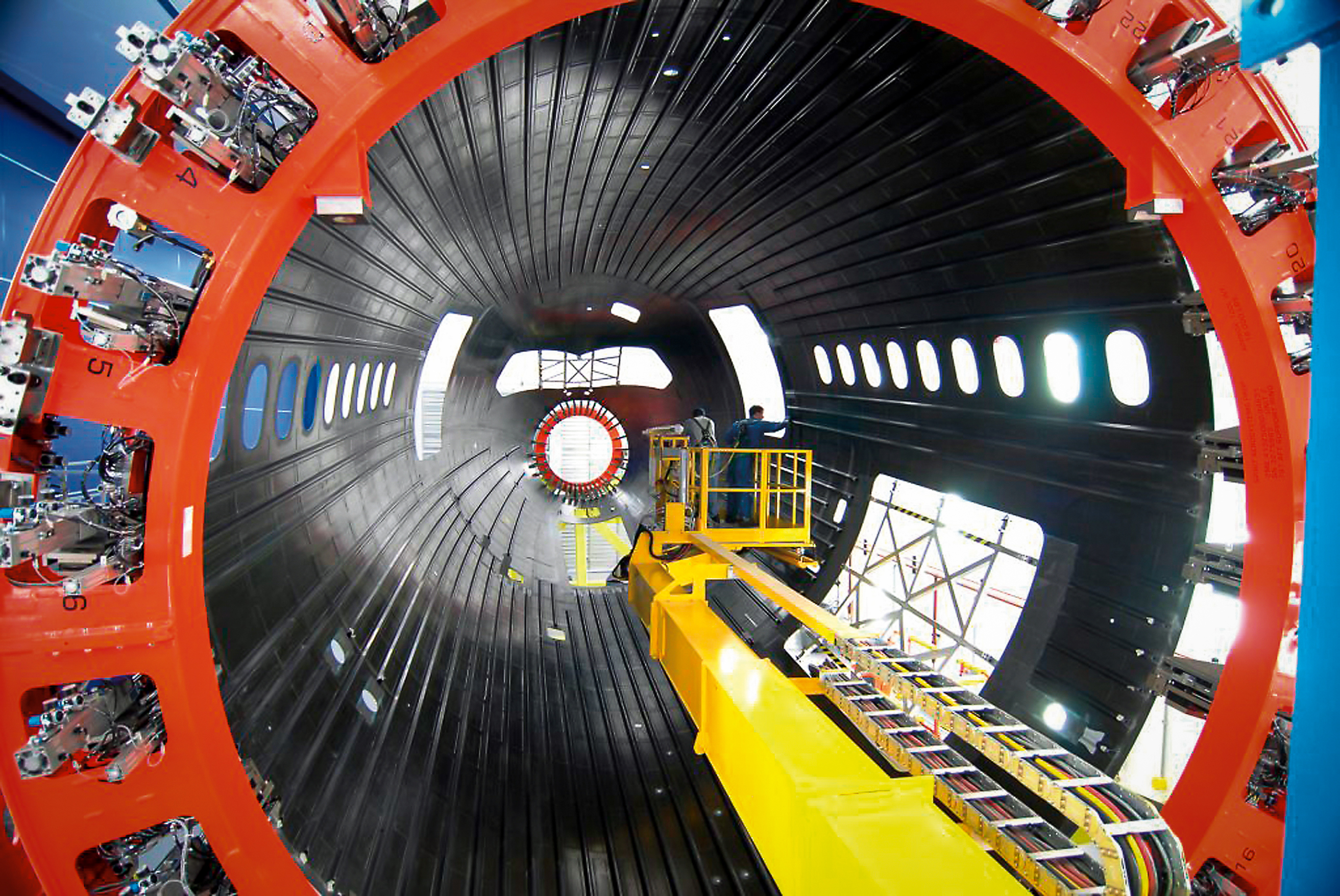
திட்டத்தின் தெளிவான இலக்குகள் இன்னும் முன்னிலையில் உள்ளன. 2028-இல் composite fuselage barrel ஒன்றின் பெரிய அளவிலான manufacturing demonstration-க்கும், 2029-இல் composite wing box ஒன்றின் demonstration-க்கும் HiCAM பணியாற்றி வருவதாக NASA கூறுகிறது. இந்த மைல்கற்கள் முக்கியமானவை; ஏனெனில் advanced composites வெறும் கோட்பாட்டுத் திருத்தங்கள் அல்ல, வேகமானதும் குறைந்த செலவுடையதுமான உற்பத்தியை ஆதரிக்க முடியும் என்பதைக் காட்டுவதற்கு அவை தெளிவான காலக்கெடுகளை நிர்ணயிக்கின்றன.
வெற்றி பெற்றால், அந்த demonstrations எதிர்கால வணிக விமானங்கள் எப்படி வடிவமைக்கப்பட்டு கட்டப்படுகின்றன என்பதையும் பாதிக்கக்கூடும். இலகுரக composite அமைப்புகள் இயக்கத் திறனை மேம்படுத்த முடியும்; ஆனால் உற்பத்தியாளர்கள் அவற்றை மிகைச் செலவு அல்லது திட்ட அட்டவணை சுமையின்றி அளவுப்பெருக்கத்தில் உருவாக்க முடிகிறதா என்பதையே அவற்றின் விரிவான தாக்கம் சார்ந்துள்ளது.
தொழிற்சாலை செயல்திறனுக்கும் விமான செயல்திறனுக்கும் இடையிலான இந்த தொடர்பு எளிதில் கவனத்திலிருந்து தவறலாம். விமான நிறுவனங்கள், உற்பத்தியாளர்கள் மற்றும் ஒழுங்குபடுத்துநர்கள் பெரும்பாலும் எரிபொருள் செலவு மற்றும் செயல்பாட்டு செயல்திறனில் கவனம் செலுத்துகின்றனர். ஆனால் உற்பத்தி முறைகள், முதலில் எந்த airframes பொருளாதார ரீதியில் சாத்தியமானவை என்பதையே வடிவமைக்கின்றன. உற்பத்தி வேகத்தில் ஏற்படும் ஒரு முன்னேற்றம், தொழில் துறை முன்னெடுக்கத் தயாராக இருக்கும் வடிவமைப்புகளின் வரம்பை விரிவாக்க முடியும்.

NASA-க்கு அப்பாலும் திட்டத்தின் முக்கியத்துவம்
HiCAM ஒரு பொது-தனியார் முயற்சியாக இருப்பதற்குக் காரணம் உண்டு. Composite manufacturing என்பது வெறும் கல்விசார் பிரச்சினை அல்ல. இது பொருட்கள் அறிவியல், automation, supply chains மற்றும் வணிக விமானத் துறைத் திட்டமிடல் ஆகியவற்றின் சங்கமப் புள்ளியில் நிற்கிறது. தொழில்நுட்பங்களின் அபாயத்தை குறைத்து, பரந்த தொழில் தத்தெடுப்பை வேகப்படுத்தக்கூடிய பணியை ஒருங்கிணைப்பதே NASA-வின் பங்கு.
எதிர்கால விமானங்களை உருவாக்க எளிதாகவும் இயக்கத்தில் அதிக செயல்திறனுடனும் செய்யக்கூடிய இலகுரக composite அமைப்புகளுக்கான புதிய உற்பத்தி முறைகளுக்கு இந்தத் திட்டம் வழிகாட்டக்கூடும் என்று நிறுவனம் கூறுகிறது. இது கவனமாக வடிவமைக்கப்பட்ட ஒரு கூற்று; ஆனாலும் முக்கியமானது. Aerospace துறை composites-இன் சாத்தியத்தை நீண்ட காலமாகவே அறிந்துள்ளது. அதைப் அடுத்த தலைமுறை விமானத் திட்டங்களுக்குத் தேவையான வேகத்தில் செயல்படும் production systems-ஆக மாற்றுவதே கடினமான பகுதி.
Langley மதிப்பாய்வு, HiCAM-ஐ அந்தத் தொழில்துறை யதார்த்தத்தை மையமாகக் கொண்டு வடிவமைத்து வருவதைச் சுட்டுகிறது. இப்போது முக்கியமான முன்னேற்றங்கள், விமானங்களில் composites இருக்க வேண்டுமா என்பதை நிரூபிப்பதைவிட, நவீன aerospace பொருளாதாரம் கோரும் வேகத்தில் அவற்றை உற்பத்தி செய்ய முடியும் என்பதைக் நிரூபிப்பதில்தான் இருக்கின்றன.
திட்ட மைல்கற்கள்
- HiCAM-இன் வசந்த மதிப்பாய்வில் 22 உறுப்பினர்களைக் கொண்ட consortium-இலிருந்து சுமார் 150 பேர் கலந்து கொண்டனர்.
- உற்பத்தி வேகத்தில் மிகப் பெரிய தாக்கத்தை அளிக்கும் தொழில்நுட்பங்களை NASA தேர்ந்தெடுத்ததாக கூறுகிறது.
- திட்டம் முன்னைய Development Phase-க்குப் பின், இப்போது Phase 2 எனப்படும் Demonstration Phase-இல் உள்ளது.
- 2028-இல் composite fuselage barrel-க்கும், 2029-இல் wing box-க்கும் பெரிய அளவிலான demonstrations திட்டமிடப்பட்டுள்ளன.
இந்த கட்டுரை NASA வெளியிட்ட செய்தியறிக்கையை அடிப்படையாகக் கொண்டது. அசல் கட்டுரையைப் படிக்கவும்.
Originally published on nasa.gov