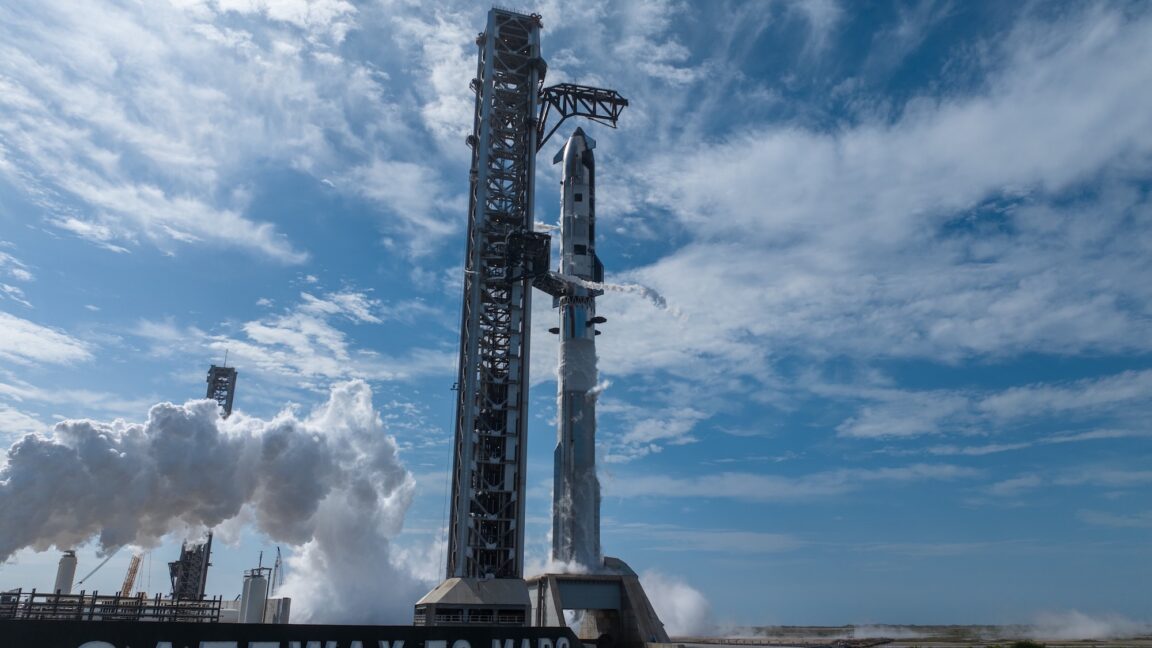
Starship இன்னொரு பதிப்பை அடைகிறது
SpaceX தனது அடுத்த தலைமுறை Starship-ஐ பறக்கவைக்க ஒரு முக்கியமான படி எடுத்துள்ளது; தெற்கு டெக்சாஸில் உள்ள Starbase தளத்தில் முதல் முழுமையாக ஒன்றிணைக்கப்பட்ட Starship Version 3-ஐ ஸ்டாக் செய்து எரிபொருளும் நிரப்பியுள்ளது. Ars Technica-வின் தகவல்படி, புதிய வாகனம் 408 அடி, அதாவது 124 மீட்டர் உயரம் கொண்டது; இதனால் இது இதுவரை உருவாக்கப்பட்ட மிக உயரமான ராக்கெட்டாகிறது மற்றும் முந்தைய Starship பதிப்பை விட சில அடி உயரமாக உள்ளது.
இந்த மைல்கல் வாகனத்தின் அளவுக்காக மட்டுமல்ல; Version 3, மீண்டும் மீண்டும் நடைபெறும் launch மற்றும் recovery demonstrations-ஐ கடந்துச் செல்ல Starship திட்டத்தை முன்னேற்றுவதற்காக உருவாக்கப்பட்டுள்ளது. வடிவமைப்பு திட்டமிட்டபடி செயல்பட்டால், கக்ஷாவில் அதிக செயல்பாட்டு அர்த்தமுள்ள வேலைகளைத் தொடங்க SpaceX பயன்படுத்தும் தளமாக இது மாறும், குறிப்பாக propellant transfer மற்றும் refueling சோதனைகளில்.
இந்த திறன் Starship-ன் பரந்த மூலோபாயத்தின் மையத்தில் உள்ளது. low-Earth orbit-ஐத் தாண்டும் missions-க்கு ஒரே ஒரு launch மற்றும் ஒரு சக்திவாய்ந்த booster போதாது. அவை கக்ஷாவில் எரிபொருள் நிரப்பப்பட வேண்டும், அப்போதுதான் இலக்கை அடைந்து மீண்டும் திரும்ப அல்லது பாதுகாப்பாக தரையிறங்க போதுமான எரிபொருள் இருக்கும். நெருங்கிய காலத்தில், NASA-வின் Artemis திட்டத்துக்காக SpaceX-க்கு இந்த திறன் தேவை; அங்கு Starship lunar lander ஆக செயல்படும் என எதிர்பார்க்கப்படுகிறது.
Version 3-இல் புதிதாக என்ன உள்ளது
Version 3 பல முக்கியமான hardware மாற்றங்களை கொண்டுள்ளது. Ars-ன் அறிக்கையின்படி, மிக முக்கியமான மேம்பாடுகள் Super Heavy booster மற்றும் Starship upper stage இரண்டிலும் உள்ள அதிக thrust, அதிக திறன் கொண்ட Raptor engines ஆகும். SpaceX booster-ன் மேல் பகுதியில் hot staging-க்கு ஒரு புதிய reusable lattice-like structure-ஐயும் அறிமுகப்படுத்தியுள்ளது; இது booster இன்னும் பிரியும் நிலையில் upper stage-ஐ ignite செய்ய அனுமதிக்கும் தொழில்நுட்பம்.
மற்றொரு வெளிப்படையான மாற்றம் first stage-இல் நான்கு grid fins-க்கு பதிலாக மூன்று மாற்றியமைக்கப்பட்ட grid fins பயன்படுத்தப்படுவதுதான். Grid fins booster-ஐ மீட்பு மற்றும் மறுபயன்பாட்டுக்காக வளிமண்டலத்தின் வழியாக மீண்டும் வழிநடத்த உதவுகின்றன; இது SpaceX operating model-ன் முக்கியமான பகுதி. அந்த அமைப்பில் எதுவும் மாற்றப்பட்டால், ராக்கெட் வளர்ச்சியடையும் போதே control, mass, reusability ஆகியவற்றை சமநிலைப்படுத்த நிறுவனம் இன்னும் fine-tune செய்து வருவதைச் சுட்டுகிறது.
பெரிய படம் வேகமான iteration ஆகும். Starship தொடர்ந்து redesign செய்யப்பட்டுள்ளது, புதிய பதிப்புகள் தொடர்ச்சியான ஆண்டுகளில் வெளிவந்துள்ளன. அந்த வேகம் ambition-உம் difficulty-யும் இரண்டையும் காட்டுகிறது. SpaceX Starship-ஐ மெதுவாக optimize ஆகிக் கொண்டிருக்கும் ஒரு நிலையான design என்று பார்க்கவில்லை. அது பெரிய architectural changes-ஐ முன்னெடுத்தபடியே, அதே நேரத்தில் system-ஐ வழக்கமாக பறக்கவைக்க முயல்கிறது.

ஒரு launch date உருவாகிறது, ஆனால் அதிகாரப்பூர்வமாக இல்லை
SpaceX முதல் Version 3 mission-க்கான அதிகாரப்பூர்வ launch date-ஐ இன்னும் அறிவிக்கவில்லை. இருந்தாலும், airspace மற்றும் maritime traffic-க்கு வெளியிடப்பட்ட warning notices சில குறிப்புகளை வழங்கின. முன்னைய notices-கள் launch வெள்ளிக்கிழமை மாலை துவங்கலாம் எனக் காட்டின, ஆனால் வார இறுதியில் ஏற்பட்ட day-and-a-half delay காரணமாக தயாரிப்பு தள்ளிப் போனது.
திங்கள்கிழமை இரவு வெளியான புதிய maritime warnings, SpaceX அப்போது செவ்வாய்க்கிழமை, மே 19 அன்று launch attempt-ஐ இலக்காகக் கொண்டிருந்ததை காட்டின. நிறுவனம் உறுதிப்படுத்தும் வரை அந்த தேதியை provisional-ஆகவே கருத வேண்டும், ஆனால் அந்த notices வாகனம் assembly-யிலிருந்து இறுதிக் கட்ட readiness-க்குள் நகர்ந்துவிட்டதைச் சொல்கின்றன.
Ground teams சனிக்கிழமையன்று Starship upper stage-ஐ Super Heavy booster-ன் மேல் ஸ்டாக் செய்து, முதல் முறையாக முழு Version 3 வாகனத்தை உருவாக்கின. பின்னர் திங்களன்று, launch team fueling rehearsal-இன் போது இரு stages-லுமே 11 million pounds-க்கு மேல், அதாவது 5,000 metric tons-க்கு மேல் super-cold methane மற்றும் liquid oxygen-ஐ நிரப்பியது. அந்த வகையான wet dress milestone launch-க்கு முன் உள்ள கடைசி முக்கிய checkpoints-இல் ஒன்று.
இந்த பறப்பு உயரத்தைவிட ஏன் முக்கியம்
எளிதான headline என்னவென்றால், SpaceX மீண்டும் வரலாற்றின் மிக உயரமான ராக்கெட்டை உருவாக்கியுள்ளது. ஆனால் முக்கியமான கதை, இந்த பதிப்பு என்ன செய்யும் என்று நிறுவனம் எதிர்பார்க்கிறது என்பதுதான். Starship எப்போதும் முழுமையாக reusable heavy-lift system ஆகவே விளக்கப்பட்டுள்ளது; ஆனால் அளவு மட்டும் மிகவும் கடினமான missions-ஐ திறக்காது. மறுபயன்பாடு நம்பகமாக வேலை செய்ய வேண்டும், engines தூய்மையாக செயல்பட வேண்டும், மேலும் கக்ஷா-உள் logistics நடைமுறைக்கு ஏற்றதாக மாற வேண்டும்.
Version 3, demonstration மற்றும் பயன்பாடு இடையிலான இடைவெளியை குறைக்க உருவாக்கப்பட்டதாகத் தெரிகிறது. Ars கூறுவதுபடி, கக்ஷாவில் refueling சோதனைகளைத் தொடங்க SpaceX பயன்படுத்தும் பதிப்பு இதுவாக இருக்க வேண்டும். அது வெற்றியடைந்தால், launch spectacle-லிருந்து transport architecture-க்கு ஒரு மாற்றத்தை குறிக்கும்.
NASA-வுக்கும் அந்த மாற்றம் முக்கியமானது. Artemis திட்டங்கள் ஒரு lunar landing system-ஐ நம்புகின்றன; அது கக்ஷையை அடைவதைவிட மேலும் பல செய்ய வேண்டும். சந்திரனை நோக்கிச் செல்லும் Starship-ஐ launch செய்ய வேண்டும், refuel செய்ய வேண்டும், பின்னர் முன்னே அனுப்ப வேண்டும். இந்த ஒவ்வொரு படியும் orbital refueling, cargo movement, lunar operations ஆகியவற்றை அளவில் ஆதரிக்கக்கூடிய வாகனத்தை சார்ந்திருக்கிறது.
அதனால் stakes தொழில்நுட்பமும் மூலோபாயமும் கொண்டவை. Version 3-ன் வெற்றிகரமான முதல் பறப்பு முழு Starship கருத்தை நிரூபிக்காது; ஆனால் அது operational purpose-க்கு நெருக்கமான திட்டத்தின் புதிய கிளையை உறுதிப்படுத்தும். மாறாக, தோல்வி திட்டத்தின் iterative culture-இல் உறிஞ்சப்பட்டாலும், refueling மற்றும் lunar mission தயாரிப்புகள் தாமதமாகும்.
Starship வளர்ச்சியின் அடுத்த கட்டம்
Starship இன்னும் இயக்கத்தில் இருக்கும் ஒரு engineering program; எதிர்கால variants ஏற்கனவே pipeline-ல் உள்ளன. அதனால் Version 3 ஒரு destination-உம் waypoint-உம் ஆகிறது. இது முந்தைய பதிப்புகளை விட அதிக சக்தி வாய்ந்த, உயரமான, மேலும் refined வாகனம், ஆனால் இறுதி பதில் என்று சொல்லப்படவில்லை.
இந்த கட்டத்தை வேறுபடுத்துவது, development speed-ஐ பயன்படத்தக்க திறனாக மாற்ற வேண்டிய அதிகரிக்கும் அழுத்தம். SpaceX fast build, fast redesign, aggressive testing ஆகியவற்றை அது ஏற்கனவே காட்டியுள்ளது. கடினமான சவால், இந்த iterations orbit-ல் அடிக்கடி reuse செய்யக்கூடிய, propellant refueling, cargo movement, lunar operations ஆகியவற்றை சார்ந்த missions-ஐ ஆதரிக்கக்கூடிய ராக்கெட்டாக ஒன்றிணைந்து வருகிறதா என்பதை நிரூபிப்பதுதான்.
Starbase-இல் நடந்த fueling test, Version 3 என்ன செய்ய முடியும் என்பதை நிறுவனம் நெருங்கி அறிய உள்ளதாக சுட்டுகிறது. அது பறக்கும் போது, முடிவு raw spectacle-ஆல் அல்ல; மாறாக அது Starship-ஐ உலகின் மிகப் பெரிய பரிசோதனை ராக்கெட்டாக மட்டும் அல்லாமல், செயல்படும் space transportation system-ஆக மாற்ற நெருங்கச் செய்கிறதா என்பதாலே மதிப்பிடப்படும்.
இந்தக் கட்டுரை Ars Technica-வின் செய்திப்பதிவை அடிப்படையாகக் கொண்டது. மூலக் கட்டுரையைப் படிக்கவும்.
Originally published on arstechnica.com