Directed Energy Moves to Live Testing
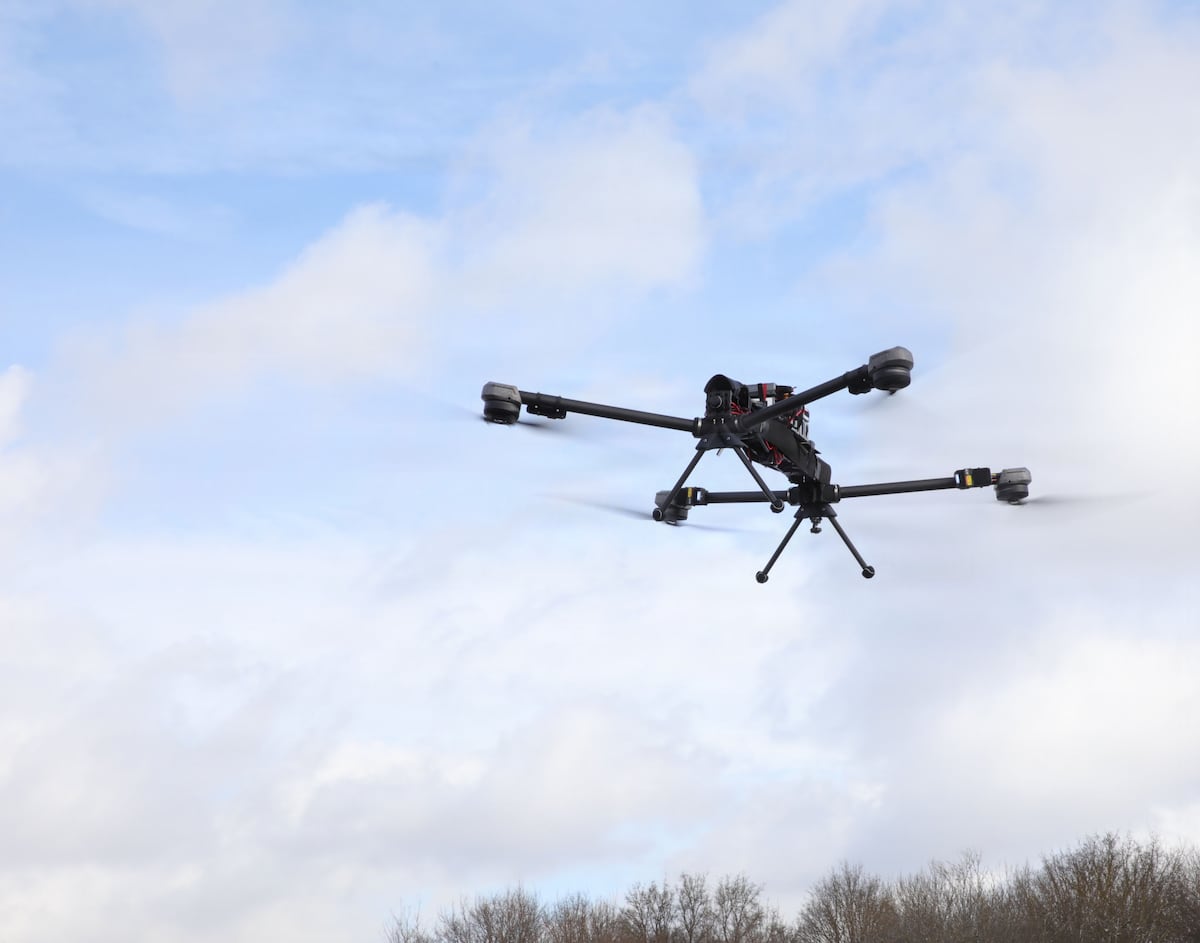
The Pentagon is preparing to conduct a live test of laser weaponry against drone targets, marking a significant step forward in the US military's push to develop practical directed energy solutions for the growing threat of unmanned aerial systems. A dedicated task force has been assembled to oversee the test, which will evaluate laser weapons under realistic operational conditions.
The test reflects the urgency the Department of Defense feels about developing effective counter-drone capabilities. Inexpensive commercial and military drones have transformed battlefields in Ukraine, the Middle East, and other conflict zones, creating a need for defensive systems that can neutralize these threats without the enormous per-shot costs of traditional missile interceptors.
Why Lasers for Counter-Drone
Laser weapons offer several theoretical advantages for counter-drone operations. They travel at the speed of light, eliminating the need to lead moving targets. They have a virtually unlimited magazine depth — as long as power is available, the weapon can continue firing. And the cost per shot is measured in dollars rather than the hundreds of thousands of dollars a missile interceptor requires.
These economics are particularly attractive when facing drone swarms, where adversaries can overwhelm traditional air defense systems through sheer numbers. A single adversary drone might cost a few thousand dollars, while the missile used to shoot it down costs fifty to one hundred times more. Laser weapons could invert this cost equation, making sustained defense against large numbers of drones economically viable.
Technical Challenges
Despite their theoretical promise, laser weapons face significant technical hurdles that the upcoming test aims to address. Atmospheric conditions including humidity, dust, and rain can scatter and absorb laser energy, reducing effective range and power on target. Thermal management is another challenge — high-powered lasers generate enormous amounts of waste heat that must be dissipated to maintain beam quality.
Target engagement time is also a consideration. Unlike a missile that delivers all its destructive energy in a single impact, a laser weapon must maintain its beam on target for a period of time sufficient to cause structural failure or disable critical components. Against fast-moving or maneuvering drones, maintaining this focused beam is technically demanding.
The Task Force Approach
The Pentagon has assembled a dedicated task force to manage the laser test, reflecting the cross-cutting nature of directed energy development. Laser weapon programs exist across multiple military services and defense agencies, and coordinating their efforts under a unified task force is intended to accelerate progress and avoid duplication.
The task force structure also allows the Pentagon to bring together expertise from defense contractors, national laboratories, and military operational units. This collaborative approach is designed to ensure that laser weapons are developed not just as laboratory demonstrations but as practical systems that can be deployed by military units in the field.
Battlefield Urgency
The urgency behind directed energy development has been driven by recent conflicts. In Ukraine, both sides have used commercial and military drones extensively for reconnaissance, strike, and electronic warfare. Iranian-designed drones have been used to attack targets across the Middle East. And concerns about potential conflicts in the Indo-Pacific region have highlighted the threat of drone swarms against naval vessels and forward-deployed forces.
Current counter-drone systems — including electronic warfare jammers, kinetic interceptors, and gun-based systems — each have limitations. Electronic warfare can be countered by autonomous navigation, missiles are too expensive for mass drone threats, and gun systems have limited range and require significant ammunition logistics. Lasers could complement these existing systems by providing a high-capacity, low-cost-per-engagement defensive layer.
What Success Looks Like
The upcoming test will measure several key performance parameters including effective engagement range, time to disable targets, performance under various atmospheric conditions, and the system's ability to rapidly switch between multiple targets. These metrics will inform decisions about whether laser weapons are ready for operational deployment or require further development.
A successful test would not mean immediate widespread deployment but would advance laser weapons toward the next phase of militarization, including integration with existing command and control systems and development of logistics and maintenance protocols for field use.
This article is based on reporting by C4ISRNET. Read the original article.
Originally published on c4isrnet.com