Historic Rescue Operation in the Gulf of Oman
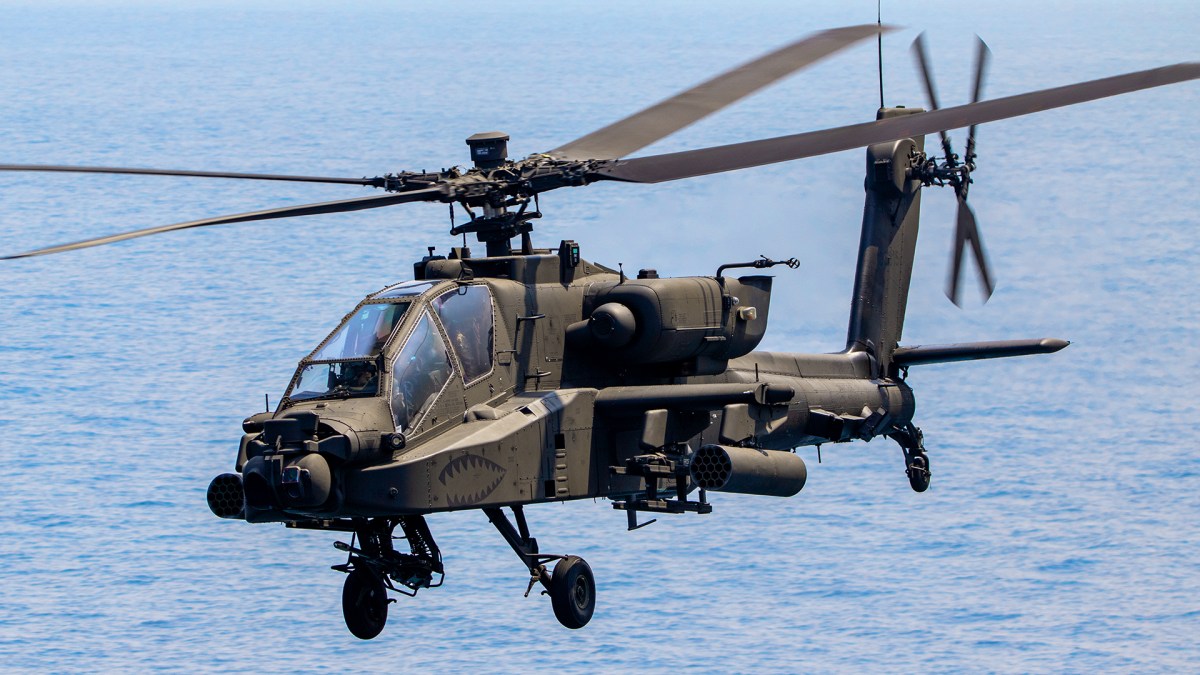
In a groundbreaking event for military search and rescue, a U.S. Navy uncrewed surface vessel (USV) successfully located and recovered the crew of a U.S. Army AH-64 Apache helicopter that went down near the Strait of Hormuz in the Gulf of Oman. This marks the first known instance of a drone boat executing a personnel recovery action as part of a military search and rescue operation, signaling a new era in combat rescue capabilities.
The incident occurred on June 8, 2026, at approximately 7:33 p.m. ET, when two crew members from the Apache were forced to ditch their aircraft while patrolling regional waters. According to a statement from U.S. Central Command (CENTCOM), the soldiers were rescued within about two hours and are in stable condition. The cause of the crash is under investigation.
Task Force 59: A Key Player in the Rescue
The rescue effort was led by U.S. Naval Forces Central Command and the 82nd Airborne Division, with support from U.S. Air Force and Navy units, including the U.S. 5th Fleet’s Task Force 59. Task Force 59 is the Navy’s primary drone force in the Middle East, tasked with experimenting with uncrewed naval technologies. Navy Capt. Tim Hawkins, a CENTCOM spokesman, confirmed the use of the Navy USV in the rescue to The War Zone.
While the specific type of drone boat used has not been disclosed, Task Force 59 operates a variety of USVs, including speedboat-like models. This rescue is a major validation of the unit's forward-looking mission and demonstrates the potential of uncrewed systems in life-saving operations.
Implications for Future Military Operations
This event is likely a glimpse of what’s to come in military search and rescue. The use of a USV for personnel recovery offers several advantages: drones can be deployed quickly, operate in hazardous environments without risking additional lives, and cover large areas efficiently. As uncrewed systems become more integrated into military operations, such rescues may become routine.
The successful recovery also highlights the growing synergy between manned and unmanned assets. The Apache crew, part of a routine patrol, were rescued by a drone boat coordinated with manned command centers and support aircraft. This interoperability is a key focus for modern militaries.
Technical Details and Context
The AH-64 Apache is a heavily armed attack helicopter, typically equipped with rockets, Hellfire missiles, and a 30mm chain gun. It is used for close air support, anti-armor missions, and armed reconnaissance. The aircraft went down near the coast of Oman, a strategic location near the Strait of Hormuz, a critical chokepoint for global oil shipments.
The rescue operation involved multiple assets, including U.S. Air Force and Navy units, but the drone boat played the pivotal role in locating and retrieving the crew. This marks a significant milestone for Task Force 59, which has been experimenting with various USVs for surveillance, mine countermeasures, and now personnel recovery.
Reactions and Future Outlook
Military analysts have praised the operation as a testament to the value of uncrewed systems. The ability to recover downed aircrew without exposing additional personnel to danger is a game-changer. As drone technology advances, we can expect to see more such rescues, potentially in even more contested environments.
The incident also underscores the importance of the Strait of Hormuz region, where U.S. forces maintain a significant presence to ensure freedom of navigation. The quick recovery of the Apache crew demonstrates the readiness and capability of U.S. forces in the area.
In conclusion, the first drone boat rescue of downed aircrew is a historic achievement that showcases the evolving nature of military operations. It highlights the potential for uncrewed systems to save lives and enhance mission effectiveness, paving the way for broader adoption in the future.
This article is based on reporting by twz.com. Read the original article.
Originally published on twz.com