A direct measurement from a famous starburst galaxy
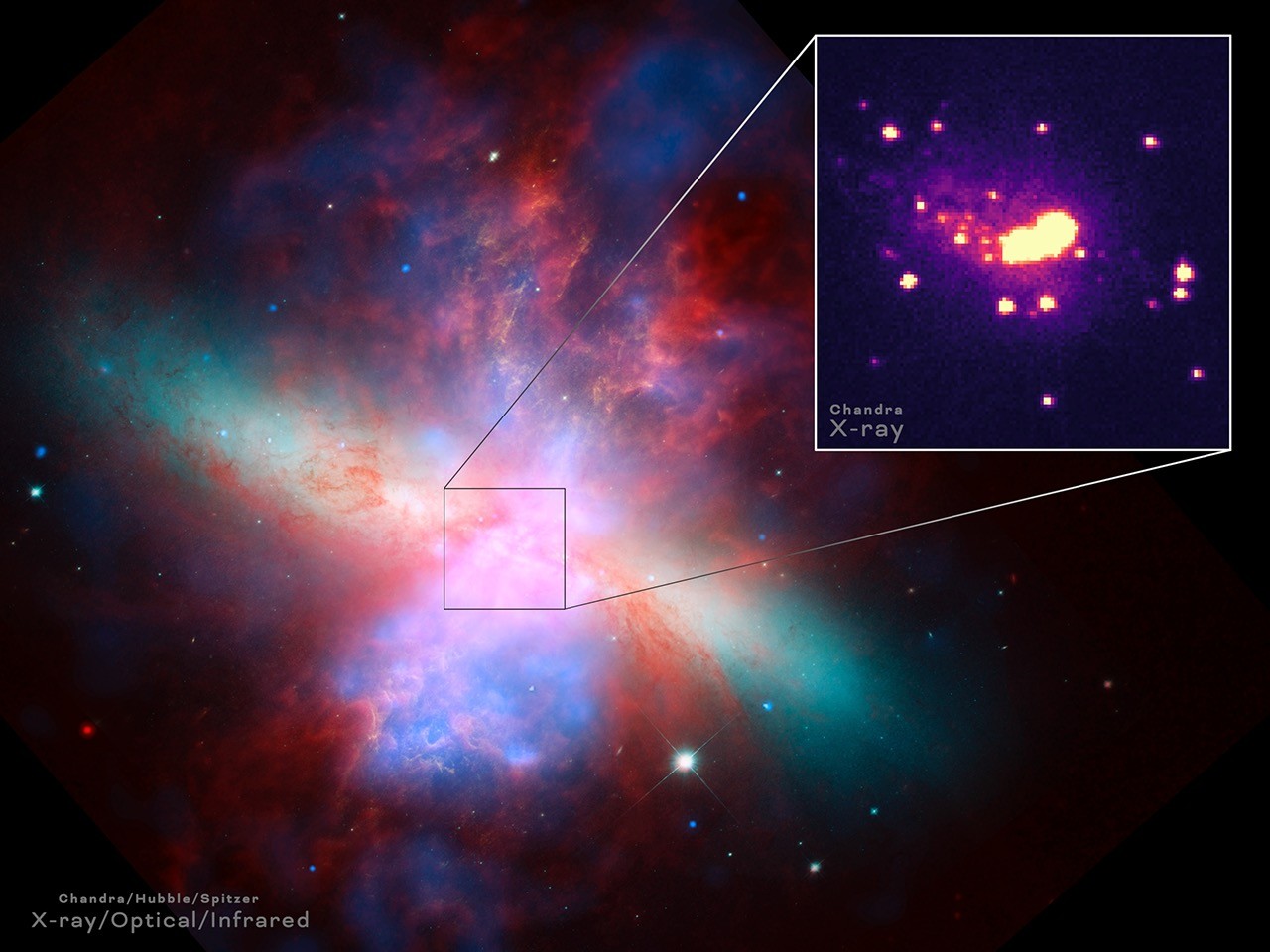
Astronomers have, for the first time, directly measured the speed of superheated gas streaming out of the starburst galaxy M82, using the Resolve instrument aboard the XRISM spacecraft. The result gives researchers a new way to test long-standing ideas about how intense star formation and supernova activity can drive powerful winds that shape entire galaxies.
According to NASA, the material is moving at more than 2 million miles per hour, or over 3 million kilometers per hour. Researchers say that is fast enough to serve as the main engine behind the cooler, large-scale outflow already known to extend tens of thousands of light-years from the galaxy’s core. The findings were published March 25 in Nature.
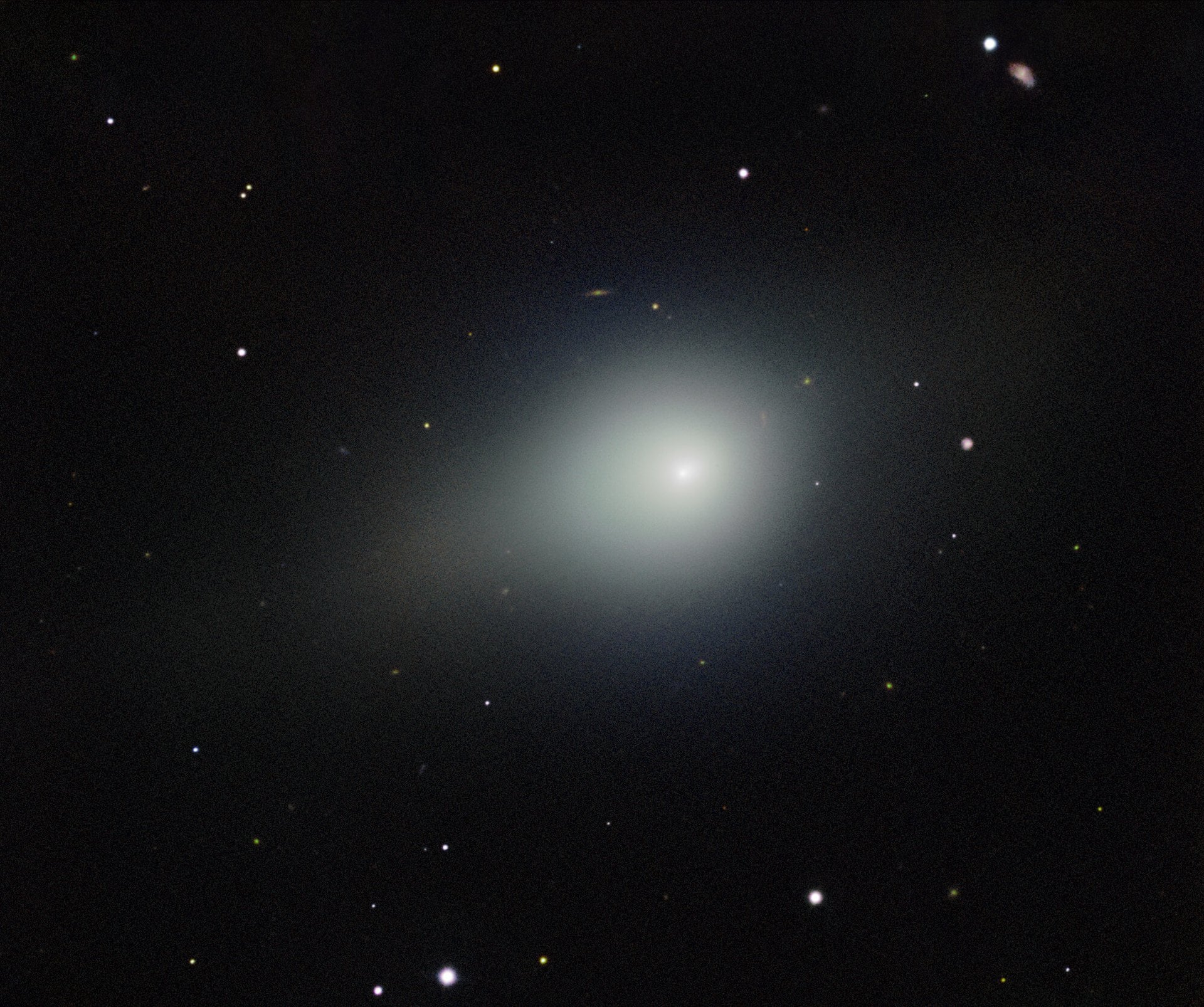
M82, often called the Cigar galaxy, sits about 12 million light-years away in Ursa Major. It is classified as a starburst galaxy because it is forming stars at an unusually high rate, roughly 10 times faster than the Milky Way for a galaxy of its size. That intense activity has made it one of the best laboratories for understanding how stars and stellar explosions reshape the gas inside galaxies and push matter back into intergalactic space.
Why the result matters
For years, astronomers have worked with a classic model of starburst galaxies: energy from star formation and supernova shock waves heats gas near the galactic center, and that hot gas launches an outflow that helps drive a much larger galactic wind. Until now, however, they did not have the direct velocity measurements needed to test that idea with confidence in M82.
XRISM changes that. NASA said the new observations show the hot gas moving even faster than some models predicted. That makes the finding important for more than one nearby galaxy. Galactic winds influence how galaxies grow, how long they keep making stars, how they distribute heavy elements, and how they interact with their surroundings. If astronomers can measure the speed and composition of these winds more precisely, they can better understand the feedback processes that regulate galaxy evolution.
Erin Boettcher of the University of Maryland, College Park and NASA’s Goddard Space Flight Center, who led the paper, said the mission provided the first opportunity to obtain the needed velocity measurements. In NASA’s summary, the result supports the idea that the hot component of the outflow has enough energy to push material all the way to the outer reaches of the galaxy.
The power of XRISM’s Resolve instrument
The measurement depended on XRISM’s high-resolution X-ray spectroscopy. The mission, led by JAXA in collaboration with NASA and with contributions from ESA, is designed to study hot, energetic phenomena across the universe. NASA and JAXA also codeveloped the Resolve instrument used in this work.
That capability matters because the hottest gas in systems like M82 emits in X-rays. By examining subtle shifts in those emissions, astronomers can calculate how fast the gas is moving. In this case, Resolve allowed researchers to measure a component of the galactic wind that had been difficult to quantify directly before.
The result connects the violent central environment of M82 to its much larger visible structure. The galaxy is already known for a cool wind of gas and dust that reaches up to 40,000 light-years from the core. The new XRISM data suggest that a much hotter, faster flow from the center is the primary driver behind that larger phenomenon.
A galaxy under extreme pressure
M82’s center is an unusually active place. Rapid star formation means more massive stars are being born, and massive stars live fast and die explosively. Those supernovae, along with the turbulence and radiation tied to intense starbirth, inject huge amounts of energy into the surrounding environment. The result is a cauldron of hot gas capable of launching material outward at extraordinary speed.
That process is one of the most important forms of feedback in astrophysics. If galaxies formed stars without restraint, they would consume their gas differently than they do in reality. Winds driven by stars, black holes, or both help regulate the cycle by heating, removing, and redistributing gas. M82 offers a close-up view of one of those engines in action.
The new result also shows why multi-observatory astronomy matters. NASA paired the XRISM announcement with references to images from Chandra, Hubble, Spitzer, and Webb that together reveal different components of M82, from hot X-ray-emitting regions to cooler dust and starlight. XRISM adds something especially valuable to that picture: direct velocity information about the hottest gas.

What researchers can learn next
The March 25 paper is an important step, but it is also a beginning. Once astronomers can measure the speed of hot winds in one well-studied starburst galaxy, they can compare those observations against models of galaxy evolution and against other galaxies with different star-formation rates and structures. That could help clarify when hot winds escape, when they stall, and how efficiently they carry mass and energy away from galactic centers.
It may also improve understanding of how chemical elements are mixed through galaxies and expelled into surrounding space. Supernova-driven winds do more than remove material. They transport the products of stellar evolution, helping seed wider cosmic environments with heavier elements built inside stars.
For now, the central conclusion is straightforward. Astronomers have finally clocked the speed of the superheated gas blasting from M82’s core, and the numbers suggest the outflow is more than capable of driving the famous wind that stretches far beyond the galaxy itself. That turns a long-standing picture into a measured result, and it shows how XRISM can open a new window onto the hot, dynamic universe.
This article is based on reporting by science.nasa.gov. Read the original article.
Originally published on science.nasa.gov