A Milestone Launch for GPS Modernization
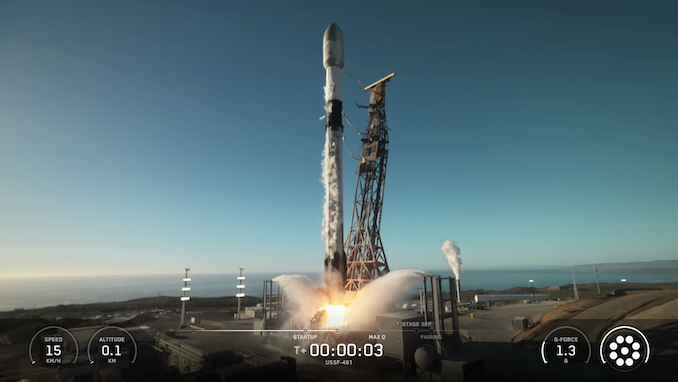
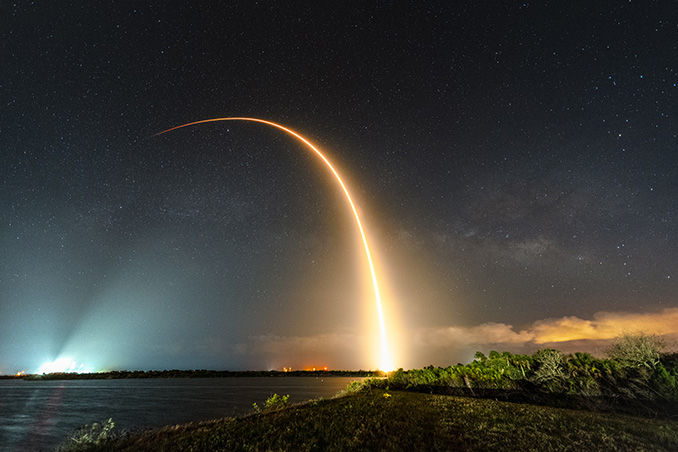
SpaceX launched the final satellite in the U.S. Space Force’s GPS III block early Tuesday, April 21, sending the spacecraft toward medium Earth orbit from Cape Canaveral Space Force Station. Liftoff occurred at 2:53:25 a.m. EDT from pad 40 after a one-day delay caused by poor weather in the Falcon 9 booster recovery zone.
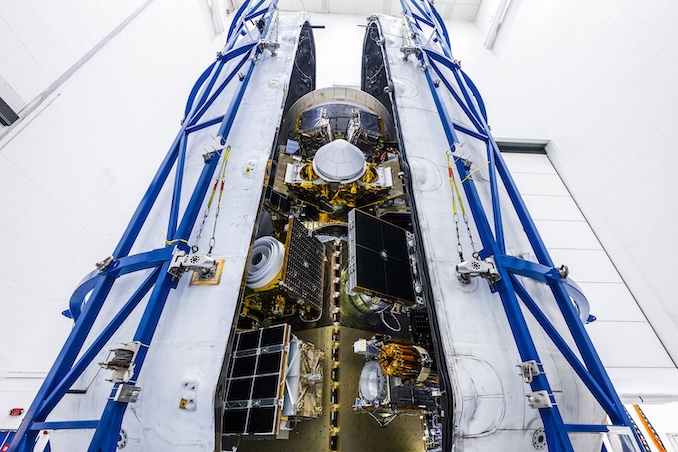
The mission carried the GPS III-8 spacecraft, officially designated Space Vehicle 10, or SV10. The satellite is also named Hedy Lamar, after the Austrian-American actress and inventor whose frequency-hopping work contributed to later communications technologies.
The launch closes a chapter in the Space Force’s modernization of the Global Positioning System. The service is now preparing to move from GPS III satellites to the next GPS IIIF generation.
Why the Final GPS III Satellite Matters
GPS satellites provide precision navigation and timing services used by the U.S. military, civilian infrastructure, transportation systems, financial networks, and everyday consumer devices. The GPS III block has been part of a long-running effort to improve the resilience and capability of the constellation.
Col. Stephen Hobbs, commander of Mission Delta 31 within Combat Forces Command, described the launch as an important milestone for the unit and the broader GPS enterprise. He said closing out the GPS III block is not the end of the story, but a foundation for the next generation.
The transition to GPS IIIF is expected to bring additional capability to military and global users, according to the Space Force comments included in the launch coverage. The final GPS III flight therefore serves both as a completion point and a bridge to the next phase of satellite navigation modernization.

Falcon 9 Reuse Continues on National Security Missions
SpaceX used Falcon 9 first stage booster B1095 for the mission. The launch marked that booster’s seventh flight, following six previous missions that carried Starlink satellites. About eight and a half minutes after liftoff, the booster landed on the drone ship Just Read the Instructions.
The mission also used reused payload fairing hardware. One fairing half was flying for the second time, while the other was flying for the third time. One of the halves had previously been used on the GPS III-9 mission in January.
Anne Mason, SpaceX’s director of National Security Space Launch, said that reuse provided a mission assurance benefit for SpaceX and the Space Force team. The use of flight-proven hardware on national security missions shows how routine reuse has become in parts of the U.S. launch market.
Weather and Recovery Operations
The mission had been delayed from the prior day because of poor weather in the recovery zone for the Falcon 9 first stage. Once conditions allowed, the rocket lifted off successfully and the booster returned to the drone ship. The fairing halves were also expected to be recovered after splashdown farther downrange.
SpaceX said the drone ship involved in the landing will be devoted to supporting the Starship program. That detail underscores the company’s need to balance Falcon 9 operations, national security launch commitments, Starlink missions, and the development of Starship infrastructure.
The Bigger Picture
The launch is important for two overlapping reasons. First, it completes deployment of the GPS III block, a program tied to navigation and timing infrastructure used around the world. Second, it shows the continued integration of SpaceX’s reusable Falcon 9 system into U.S. national security space missions.
For the Space Force, the focus now shifts toward GPS IIIF. For SpaceX, the mission reinforces Falcon 9’s role as a workhorse for military and civil payloads even as the company develops Starship. For GPS users, the impact is less visible but fundamental: the constellation behind modern navigation and timing continues to be refreshed one satellite generation at a time.
This article is based on reporting by Spaceflight Now. Read the original article.
Originally published on spaceflightnow.com