A Disaster That Keeps Giving
More than a decade after the catastrophic collapse of the Fundão tailings dam in Minas Gerais, Brazil, the environmental and public health consequences continue to unfold. A new study conducted by scientists from the University of São Paulo, the Federal University of Espírito Santo, and the University of Santiago de Compostela in Spain has revealed that potentially toxic metals are accumulating in food crops grown in areas affected by the 2015 disaster — with bananas posing the greatest health concern for young children.
The Fundão dam collapse, which occurred in November 2015, sent a massive wave of iron mining tailings cascading down the Doce River and into the Atlantic Ocean. It was Brazil's worst environmental disaster at the time, killing 19 people, destroying entire communities, and contaminating hundreds of kilometers of waterways. The affected region near Linhares in Espírito Santo state has been exposed to mining waste residues for over ten years, and scientists are only now beginning to understand the long-term implications for food safety.
What the Researchers Found
The study, led by Amanda Duim along with co-authors Tiago Osório and Tamires Cherubin, examined three staple crops grown in contaminated soil near the Doce River estuary: bananas, cassava, and cocoa. The team analyzed concentrations of five potentially toxic elements — cadmium, chromium, copper, nickel, and lead — all of which are commonly associated with iron oxides, the primary component of mining tailings.
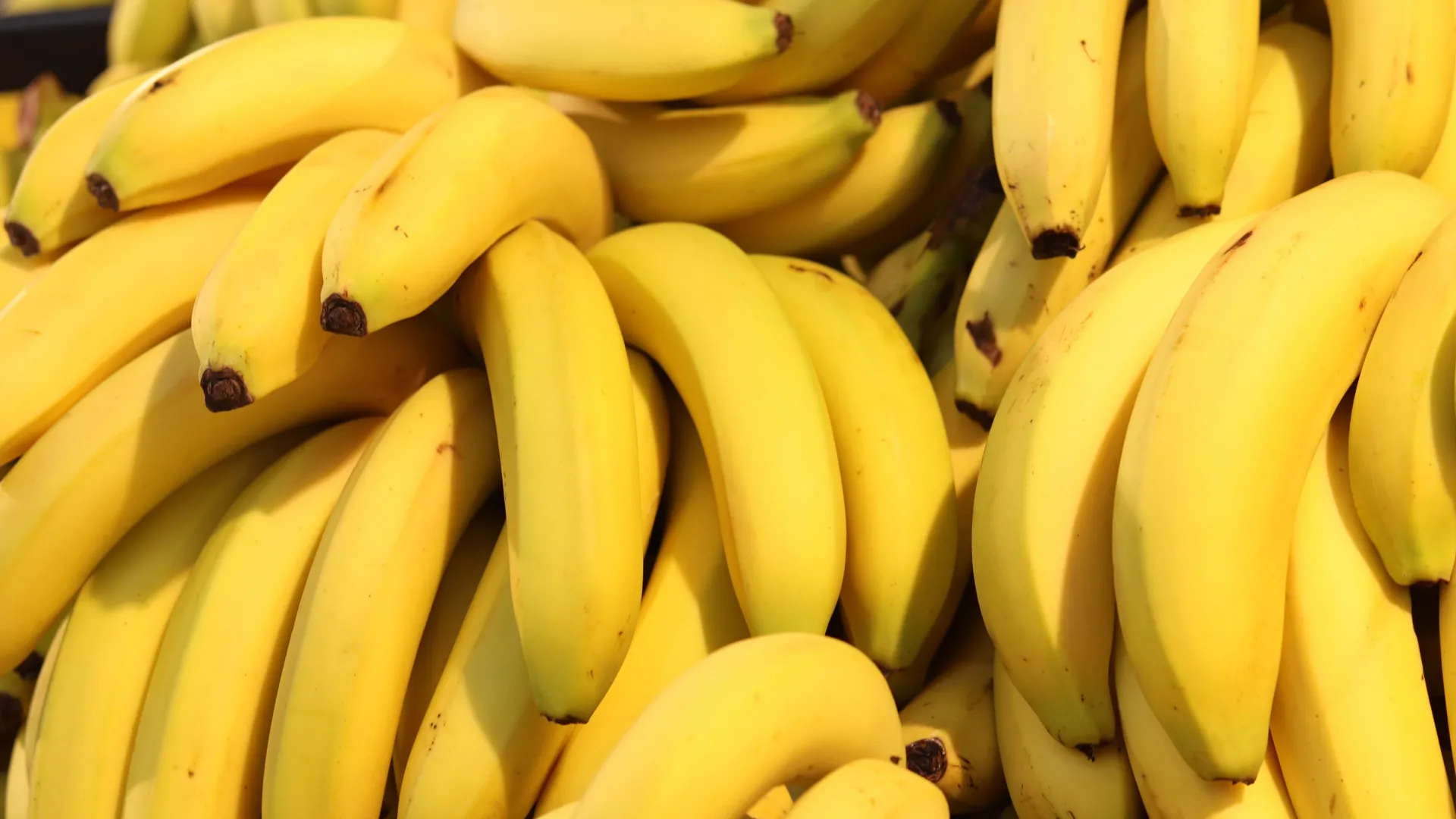
The results painted a troubling picture. Bananas emerged as the crop of greatest concern, with metal concentrations that represent a potential health risk for children six years old and younger. Lead levels in the fruit were identified as the primary driver of this elevated risk. While adults consuming these crops generally faced low non-carcinogenic risk levels, the story was markedly different for the youngest and most vulnerable members of the community.
Cassava tubers, which grow below ground in direct contact with contaminated soil, showed significant metal accumulation. Cocoa pulp was found to exceed Food and Agriculture Organization limits for both copper and lead, raising questions about the safety of one of Brazil's most important export crops in affected regions.

The Cumulative Danger Over a Lifetime
Perhaps the most alarming finding relates to long-term exposure. The researchers calculated that over Brazil's average life expectancy of 75 years, cumulative consumption of crops grown in contaminated soil could meaningfully increase carcinogenic risk. The metals in question have well-documented associations with damage to the central nervous system and digestive tract, meaning that communities relying on locally grown food in the disaster zone face an invisible but persistent threat.
The study established recommended safety thresholds for the metals detected: cadmium at 0.05 milligrams per kilogram in fruits, lead between 0.8 and 2.3 milligrams per kilogram, and copper at 20.0 milligrams per kilogram. These benchmarks provide a framework for ongoing monitoring, but they also underscore how far some of the sampled crops exceeded safe consumption levels.
Why Children Are Most at Risk
Children's heightened vulnerability to heavy metal contamination stems from several biological factors. Their smaller body mass means that the same absolute quantity of a toxic substance represents a proportionally larger dose. Their developing nervous systems and organs are more susceptible to disruption from heavy metals like lead and cadmium. Additionally, children tend to consume more food relative to their body weight than adults, compounding their exposure.
Lead exposure is particularly concerning in young children because even low levels can impair cognitive development, reduce IQ, and cause behavioral problems. The World Health Organization has stated that there is no known safe level of lead exposure for children, making the detection of lead in a dietary staple like bananas an urgent public health matter for communities in the affected region.

Broader Implications for Mining and Food Safety
The study adds to a growing body of evidence that the environmental consequences of mining disasters extend far beyond the immediate destruction. While the initial focus after the Fundão collapse was on water contamination and habitat destruction, the infiltration of toxic metals into the food chain represents a slower, more insidious threat that can persist for generations.
Brazil is one of the world's largest mining economies, and tailings dam failures remain a recurring risk. The 2019 collapse of the Brumadinho dam, also in Minas Gerais, killed 270 people and intensified scrutiny of the industry. Yet the long-term food safety implications of these disasters have received comparatively little attention from regulators and the mining companies responsible for remediation.
The international collaboration behind this study — spanning Brazilian and Spanish institutions — highlights the global scientific concern about mining contamination's effects on agriculture. The researchers have called for systematic monitoring of crops in affected areas and for public health interventions to protect the most vulnerable populations, particularly young children who depend on locally sourced food.
What Happens Next
Local communities in the Doce River basin have long complained about inadequate remediation efforts and a lack of transparency from the mining companies involved. This study provides hard scientific data to support their concerns and could influence ongoing legal and regulatory proceedings related to the disaster's aftermath.
For the millions of Brazilians who live in regions affected by mining operations, the findings serve as a stark reminder that environmental disasters do not end when the floodwaters recede. The toxic legacy of the Fundão collapse lives on in the soil, the water, and now demonstrably in the food that families eat every day. Whether this evidence will translate into meaningful policy change and corporate accountability remains an open question — but the science is now impossible to ignore.
This article is based on reporting by Science Daily. Read the original article.

Originally published on sciencedaily.com