A new cave study challenges older ideas of separation
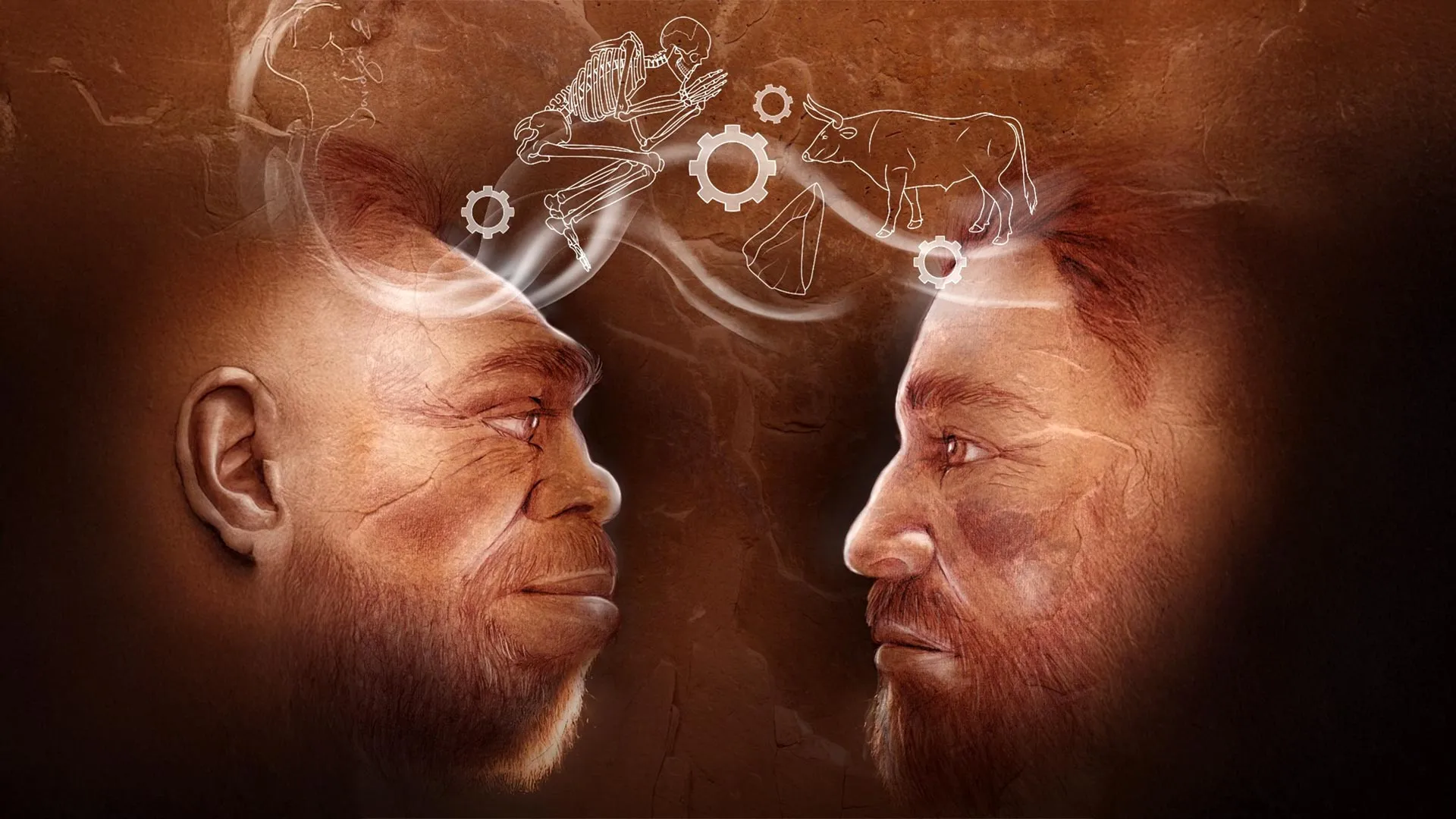
Evidence from Tinshemet Cave in central Israel is reshaping how researchers think about the relationship between Neanderthals and Homo sapiens in the Levant roughly 110,000 years ago. According to newly published research highlighted by ScienceDaily, the two groups did more than occupy the same region at the same time. They appear to have interacted directly, sharing technology, ways of life, and burial customs.
The study, published in Nature Human Behaviour, argues for a more entangled picture of early human history than older interpretations allowed. Instead of isolation between populations, the site points to exchange.
Why Tinshemet Cave matters
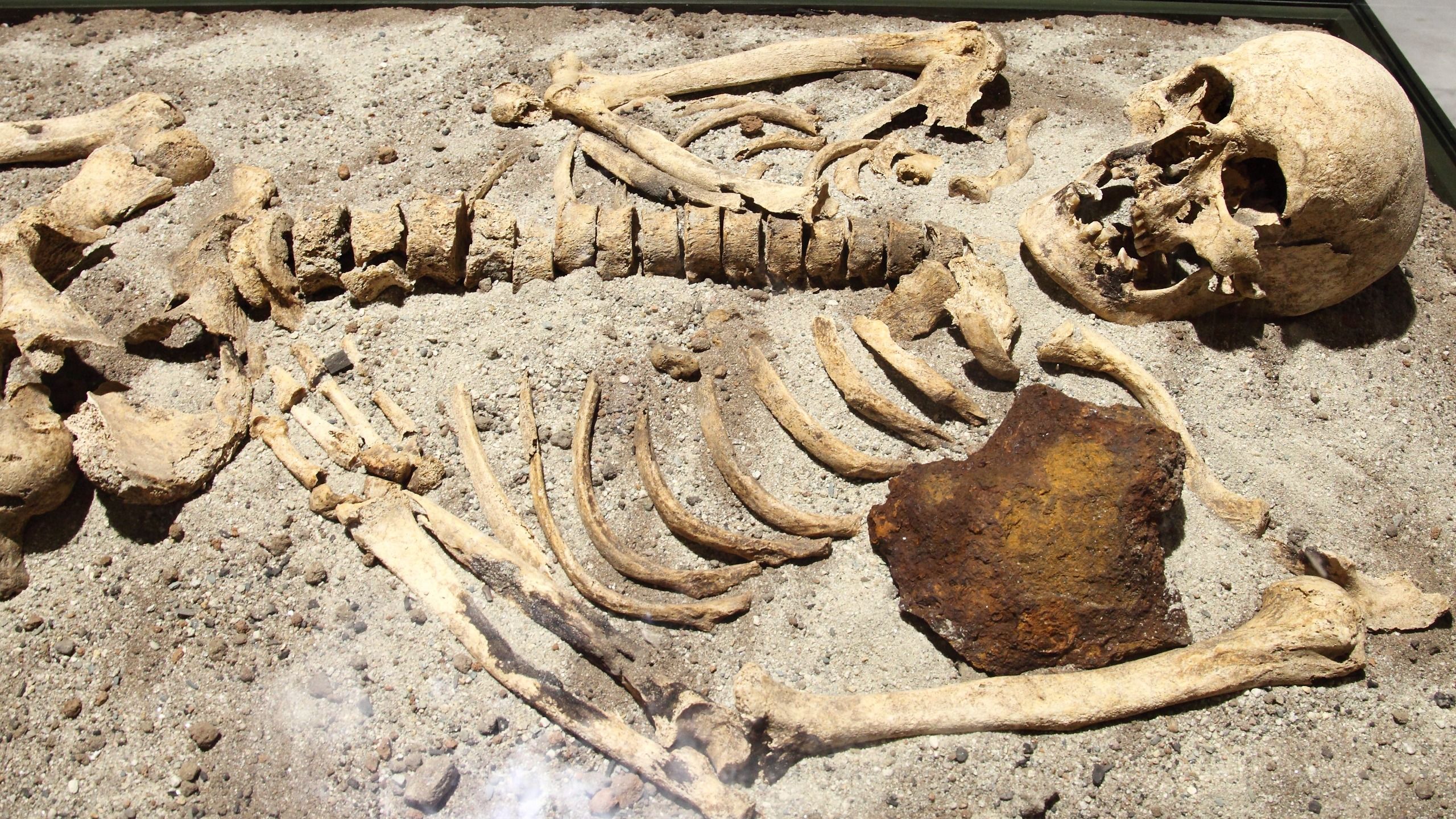
The cave has produced a combination of archaeological material and human remains that researchers describe as exceptional. Among the most important discoveries are several human burials, said to be the first mid-Middle Paleolithic burials uncovered in more than fifty years. That gives the site unusual weight in debates over social behavior, symbolism, and contact between human groups.
Excavations began in 2017 under a team led by researchers from the Hebrew University of Jerusalem, Tel Aviv University, and the Weizmann Institute of Science. The first published results now present the cave as evidence that the Levant functioned as a major crossroads where populations met and influenced one another.

More than coexistence
The core claim is not simply that Neanderthals and Homo sapiens overlapped geographically. The study says they shared tools, lifestyles, and ritual behavior. That is a stronger proposition, because it implies sustained contact significant enough to affect day-to-day practice and social norms.
One of the most important implications concerns cultural and behavioral innovation. The researchers argue that interaction between the groups fostered greater social complexity and encouraged developments such as formal burial practices and the symbolic use of ochre for decoration.
If that interpretation is correct, then some advances in behavior may have emerged not from isolated lineages independently progressing, but from exchange across populations. In that sense, connection itself becomes an engine of innovation.
Burial and symbolism at the center of the story
Burials are especially significant because they are often used as evidence for social meaning, memory, or ritualized behavior. Tinshemet Cave appears to offer a rare window into those practices during the mid-Middle Paleolithic.
The symbolic use of ochre also matters. Pigment use is frequently discussed as an indicator of social communication, identity, or ritual behavior. The study’s suggestion that these practices were linked to interaction between groups pushes against narratives that assign cultural complexity too neatly to one human population or another.

The Levant as a human meeting ground
The geographic setting is central to the interpretation. The Levant has long been understood as a corridor between continents and populations. The new findings strengthen the idea that it was not just a place of passage, but a place of contact and mutual influence.
That has consequences for how archaeologists think about technological and cultural change. Instead of imagining breakthroughs emerging in sealed communities and then spreading outward, the Tinshemet evidence supports a model in which shared spaces and repeated encounters helped shape the pace and form of innovation.
A broader shift in the story of human evolution
The study also fits a wider rethinking in paleoanthropology. Over time, simple narratives of replacement and separation have increasingly given way to more complex accounts involving overlap, exchange, and interaction. Tinshemet Cave adds fresh support to that shift.
Its message is not that distinctions between Neanderthals and Homo sapiens disappeared. Rather, it suggests those distinctions existed alongside contact, borrowing, and shared practices. That is a more realistic picture of human communities, ancient or modern: groups can remain distinct while still influencing one another profoundly.
The result is a more connected vision of prehistory. According to the study, the path toward greater social and cultural complexity in the region may have been shaped not mainly by isolation, but by encounter. If so, one of the defining forces in early human development was not distance, but proximity.
This article is based on reporting by Science Daily. Read the original article.

Originally published on sciencedaily.com