From One Mysterious Molecule to 260,000
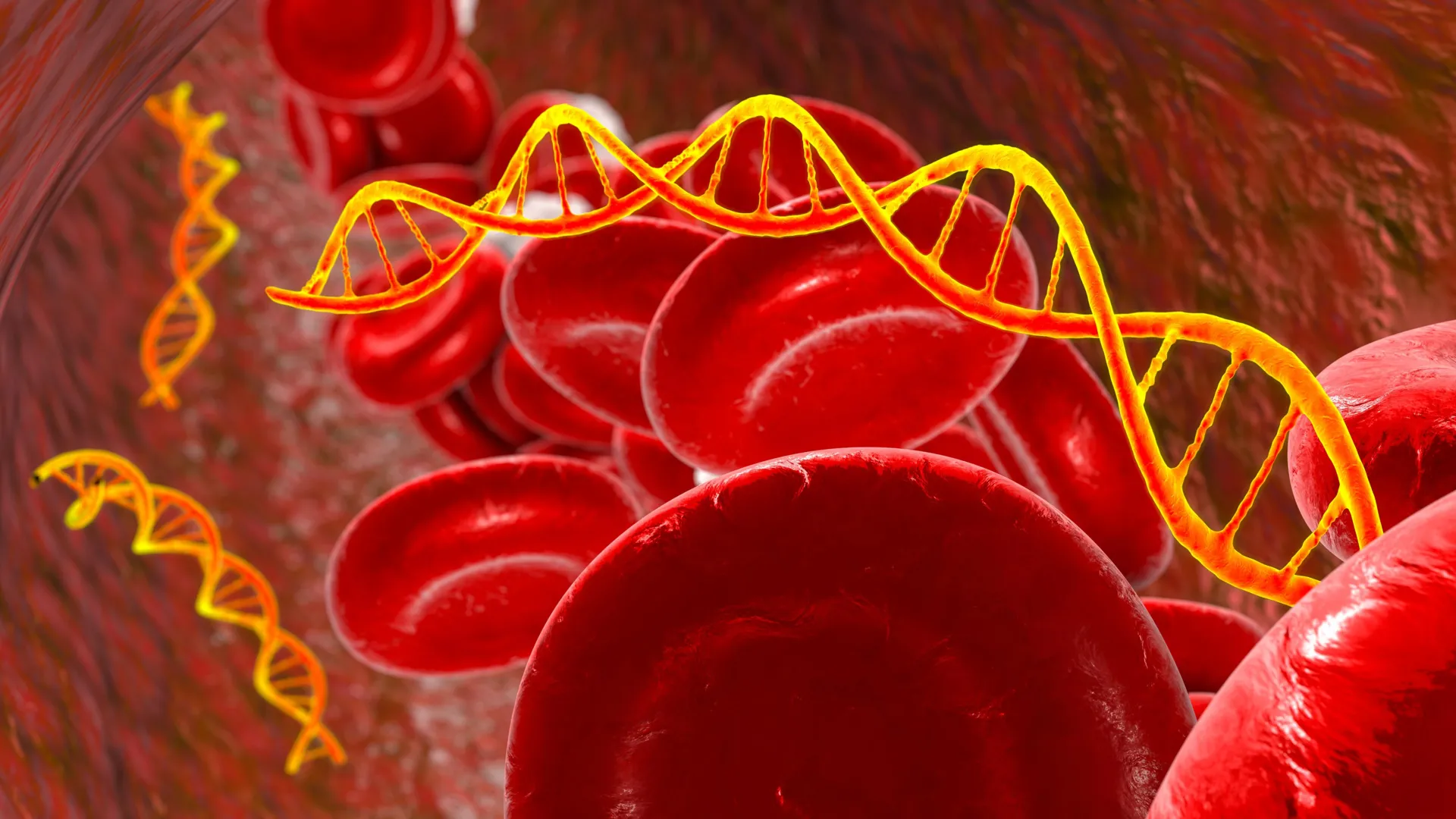
In 2018, scientists studying breast cancer stumbled upon something they could not explain. A small RNA molecule they designated T3p was present in tumor tissue but completely absent from healthy cells. It did not match any known gene. It did not correspond to any recognized class of non-coding RNA. It was, in the language of molecular biology, an orphan — a molecule without a home in the existing taxonomy of the human genome. That single puzzling discovery launched a six-year investigation that has now culminated in a finding of remarkable scope: approximately 260,000 previously unknown cancer-specific small RNAs hidden across 32 different types of human cancer.
The research, conducted by Jeffrey Wang, Hani Goodarzi, and their colleagues at the Arc Institute, represents one of the most comprehensive surveys of cancer-specific non-coding RNA ever undertaken. By mining data from The Cancer Genome Atlas — a landmark database containing genomic information from thousands of tumors — the team identified a vast and previously invisible landscape of small RNA molecules that appear exclusively in cancer cells.
Digital Molecular Barcodes
What makes these orphan non-coding RNAs, or oncRNAs, particularly striking is their specificity. Each of the 32 cancer types examined displayed its own distinct pattern of oncRNA expression, creating what the researchers describe as digital molecular barcodes. These barcodes capture cancer identity at multiple levels — distinguishing not only between different tumor types such as breast versus lung cancer, but also between subtypes within a single cancer and even between different cellular states within a single tumor.
To test whether these molecular signatures could be used for practical diagnosis, the team built machine learning classification models trained on oncRNA expression patterns. The results were impressive: the models achieved 90.9 percent accuracy in classifying cancer types from tumor tissue samples. When validated against a separate group of 938 tumors that the models had never seen before, accuracy remained strong at 82.1 percent — a level of performance that suggests real clinical potential.
The ability to classify cancer type from RNA signatures alone could have profound implications for patients with cancers of unknown primary origin, a clinical scenario that affects roughly three to five percent of all cancer patients and carries a particularly poor prognosis because treatment decisions depend heavily on knowing where the cancer originated.

Some oncRNAs Drive Cancer Progression
The discovery of 260,000 cancer-specific RNAs raised an obvious question: are these molecules merely byproducts of the chaotic genetic activity inside cancer cells, or do some of them actively contribute to tumor growth and spread? To find out, the researchers conducted large-scale functional experiments in mice, testing approximately 400 individual oncRNAs for biological effects.
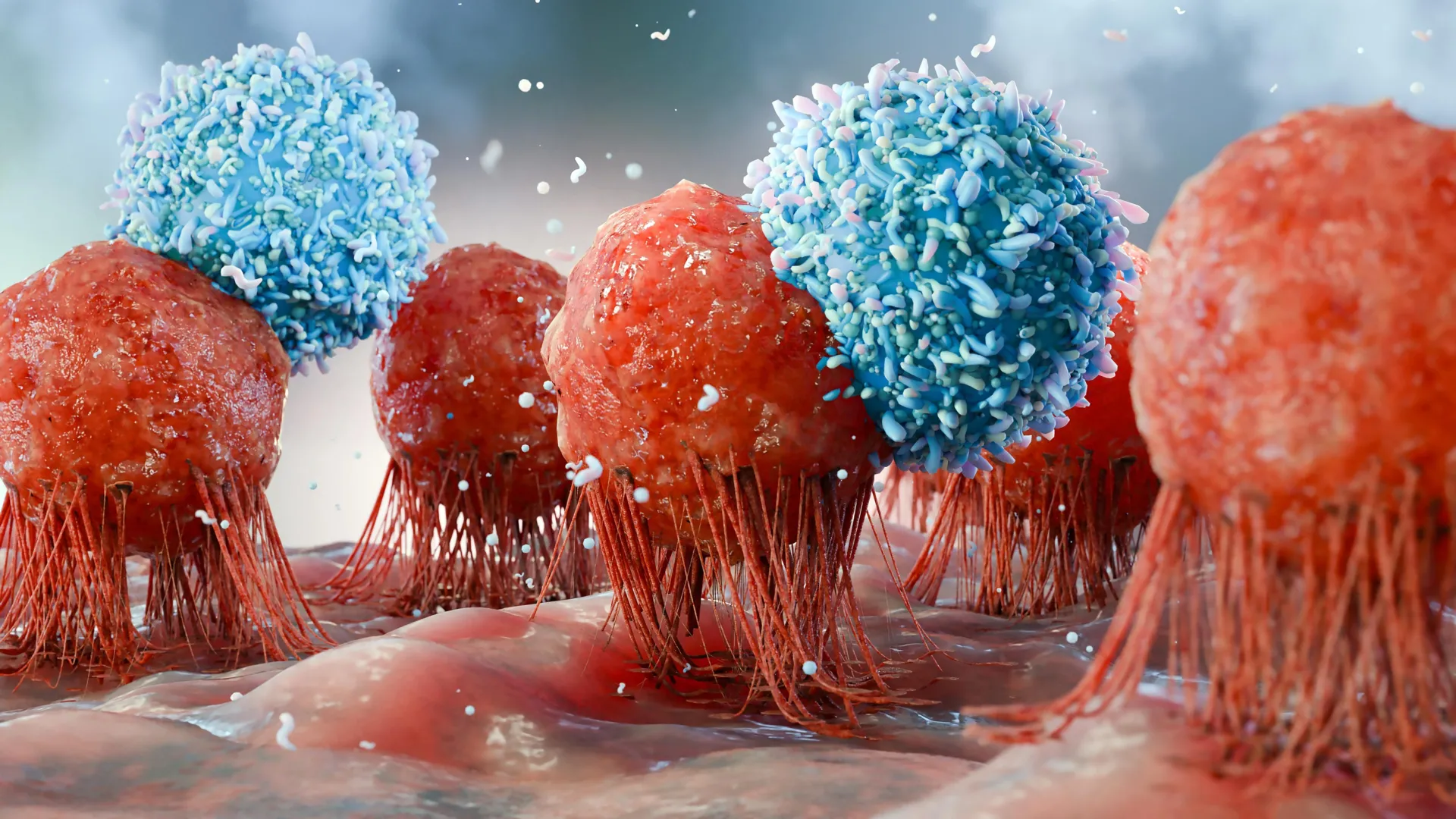
About five percent of the tested molecules demonstrated measurable biological activity. Some triggered epithelial-mesenchymal transition, a cellular process that enables cancer cells to break free from their tissue of origin and migrate to distant parts of the body — the deadly process known as metastasis. Others activated proliferation pathways that drive unchecked cell division. These findings suggest that at least a subset of oncRNAs are not innocent bystanders but active participants in cancer progression.
Understanding which oncRNAs drive cancer behavior could open entirely new avenues for therapeutic intervention. If specific oncRNAs promote metastasis or drug resistance, targeting them with RNA-based therapies — an approach that has already shown clinical promise with antisense oligonucleotides and small interfering RNAs — could provide new weapons against cancers that resist existing treatments.
A Blood Test for Cancer's Hidden Signals
Perhaps the most immediately translatable finding is that roughly 30 percent of oncRNAs are actively secreted by cancer cells into the bloodstream. This means they can potentially be detected through a simple blood draw — a liquid biopsy — rather than requiring invasive tissue sampling.
The researchers tested this concept using blood samples from 192 breast cancer patients enrolled in the I-SPY 2 neoadjuvant chemotherapy trial, a major clinical study that tests new drug combinations before surgery. The results were striking: patients who retained high levels of residual oncRNAs in their blood after completing chemotherapy showed nearly four-fold worse overall survival compared to those whose oncRNA levels had dropped.
This finding positions oncRNA profiling as a potential tool for monitoring minimal residual disease — the small numbers of cancer cells that can survive treatment and eventually cause relapse. Current methods for detecting residual disease rely primarily on imaging and circulating tumor DNA, both of which have significant limitations. A blood test that reads the molecular barcode of residual cancer cells could provide earlier and more specific warnings of relapse, enabling doctors to intervene before the disease returns in force.
Rewriting the Map of Cancer Genomics
The existence of 260,000 previously uncharacterized cancer-specific RNAs raises fundamental questions about how thoroughly scientists have mapped the molecular landscape of cancer. The human genome contains roughly 20,000 protein-coding genes, and decades of cancer research have focused primarily on mutations in these genes — the oncogenes and tumor suppressors that drive malignancy. The oncRNA discovery suggests that an entire parallel layer of cancer biology has been operating beneath the threshold of detection, hidden in the non-coding regions of the genome that were once dismissed as junk DNA.
The non-coding genome makes up approximately 98 percent of total human DNA, and researchers have increasingly recognized that it plays critical regulatory roles in health and disease. But the sheer number of cancer-specific non-coding RNAs identified in this study — more than a quarter of a million distinct molecules — exceeds what most scientists would have predicted and suggests that the field has only scratched the surface of understanding how cancer exploits the non-coding genome.
What Comes Next
The Arc Institute team is continuing to characterize individual oncRNAs to determine which ones are drivers versus passengers in cancer progression. They are also working to develop clinical-grade liquid biopsy assays that could bring oncRNA-based cancer monitoring into routine practice. If the approach proves robust in larger clinical trials, it could fundamentally change how oncologists track treatment response and detect relapse — shifting from reactive medicine that waits for visible tumors to reappear toward a proactive model that reads the molecular whispers of residual disease in the blood.
For the broader field of cancer research, the message is clear: the map is not the territory, and the territory of cancer biology is far more complex than previously imagined. A mysterious molecule found in a breast cancer sample eight years ago has led to the discovery of an entire hidden dimension of the disease — and the implications are only beginning to be understood.
This article is based on reporting by Science Daily. Read the original article.
Originally published on sciencedaily.com