When a local fear became a continental subject
Stories of vampires did not spread through eighteenth-century Europe only by word of mouth. According to historian John Blair, the expanding printed press helped turn accounts of supposedly restless corpses into an increasingly visible subject of theological, philosophical, academic and historical debate.
An excerpt from Blair’s book Killing the Dead: Vampire Epidemics from Mesopotamia to the New World examines the role of print in that shift. It follows reports and arguments about people believed to have returned from the grave, terrorised communities and spread disease. The accounts were often accompanied by purported measures intended to stop the dead from rising.
The story is less a record of supernatural events than a history of belief, interpretation and circulation. As reports moved through print, they could travel far beyond the villages and regions in which they originated. Printed discussion gave readers, scholars and religious writers a shared vocabulary for an idea that was still comparatively new in Europe: the vampire.
Preventing the dead from returning
In the seventeenth and eighteenth centuries, fear of vampires reached extraordinary heights in some communities. Blair describes a belief that corpses could reanimate, wander through villages and bring terror or disease. The perceived threat produced severe responses to the dead.
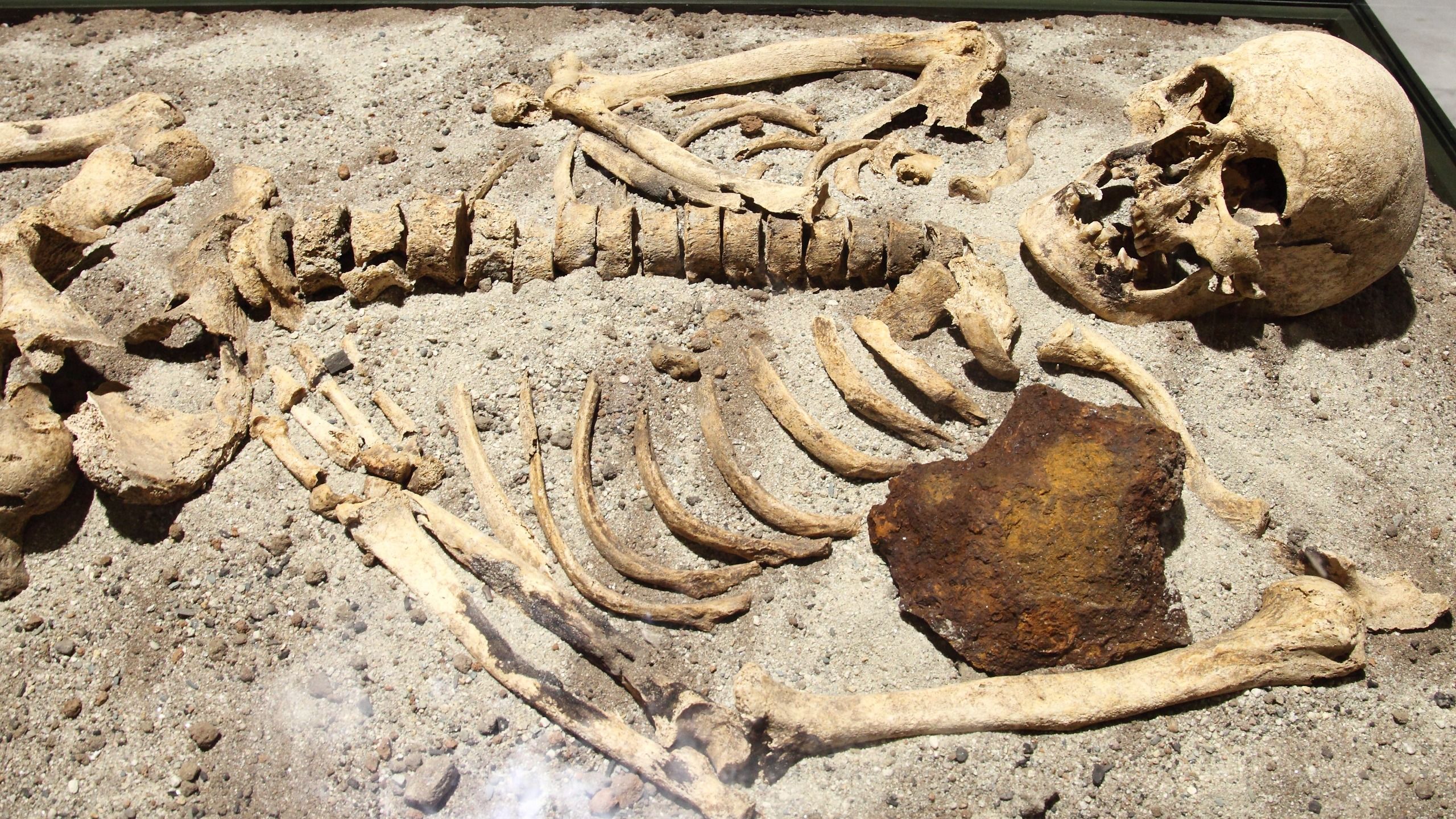
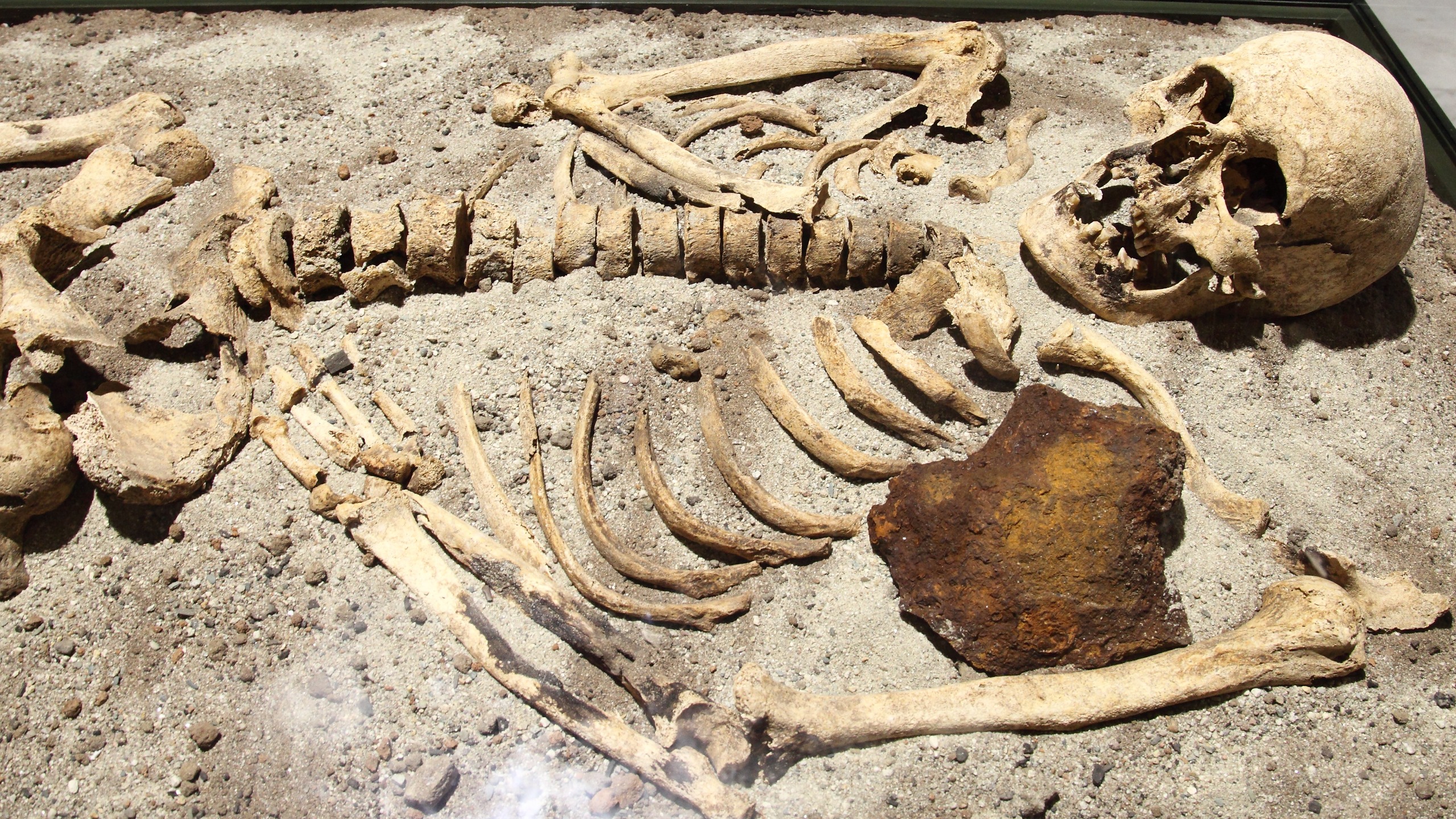
Accounts included decapitation, placing sickles across the necks of the deceased, burying bodies face down and using other restraints. Archaeological examples cited in the excerpt include a burial in Poland in which a boy’s remains were found with an iron padlock around a foot. Another burial image associated with the article shows a person with a ploughshare driven through the chest.
Such practices were not presented as casual curiosities. They reflected attempts to address an immediate perceived danger. If a deceased person was thought capable of returning and harming the living, then changing the burial itself could be understood as a protective act.
The accounts also include more extreme purported responses: consuming a supposed vampire’s organs or drinking blood mixed with vodka, in the belief that this might prevent others from suffering the same fate. These reports form part of the historical record of vampire fears, not evidence that vampires existed.

Print accelerated the circulation of ideas
Blair places a major turning point after the invention of printing. Early references to European stories about restless corpses were followed by a cluster of theological and philosophical discussions around 1580 to 1610. From the 1670s, the volume of academic and historical debate and commentary grew steadily.
That printed activity reached a climax in 1732. The chronology matters because it shows that the vampire was not simply a fixed folk figure passed unchanged through generations. As texts multiplied, writers could repeat, interpret, challenge and reframe earlier reports for audiences far from the original setting.
Print did not necessarily settle the question of what readers should believe. Instead, it made the question more portable. A local report could become an object of discussion among scholars and theologians elsewhere. Repetition could give certain stories a wider public life, while commentary could attach them to debates about religion, medicine, history and the nature of evidence.
The result was an expanding body of literature in which accounts could become increasingly derivative. A reading public exposed to many fragmented discussions eventually had reason to seek a clearer synthesis of the subject.
Calmet’s influential survey
That synthesis arrived in 1746, when the Benedictine scholar Dom Augustin Calmet published a survey of supernatural beings. The work was quickly reissued in several editions, including an English edition in 1759. Its section on vampires became, according to Blair, the most influential academic work on the topic ever published.
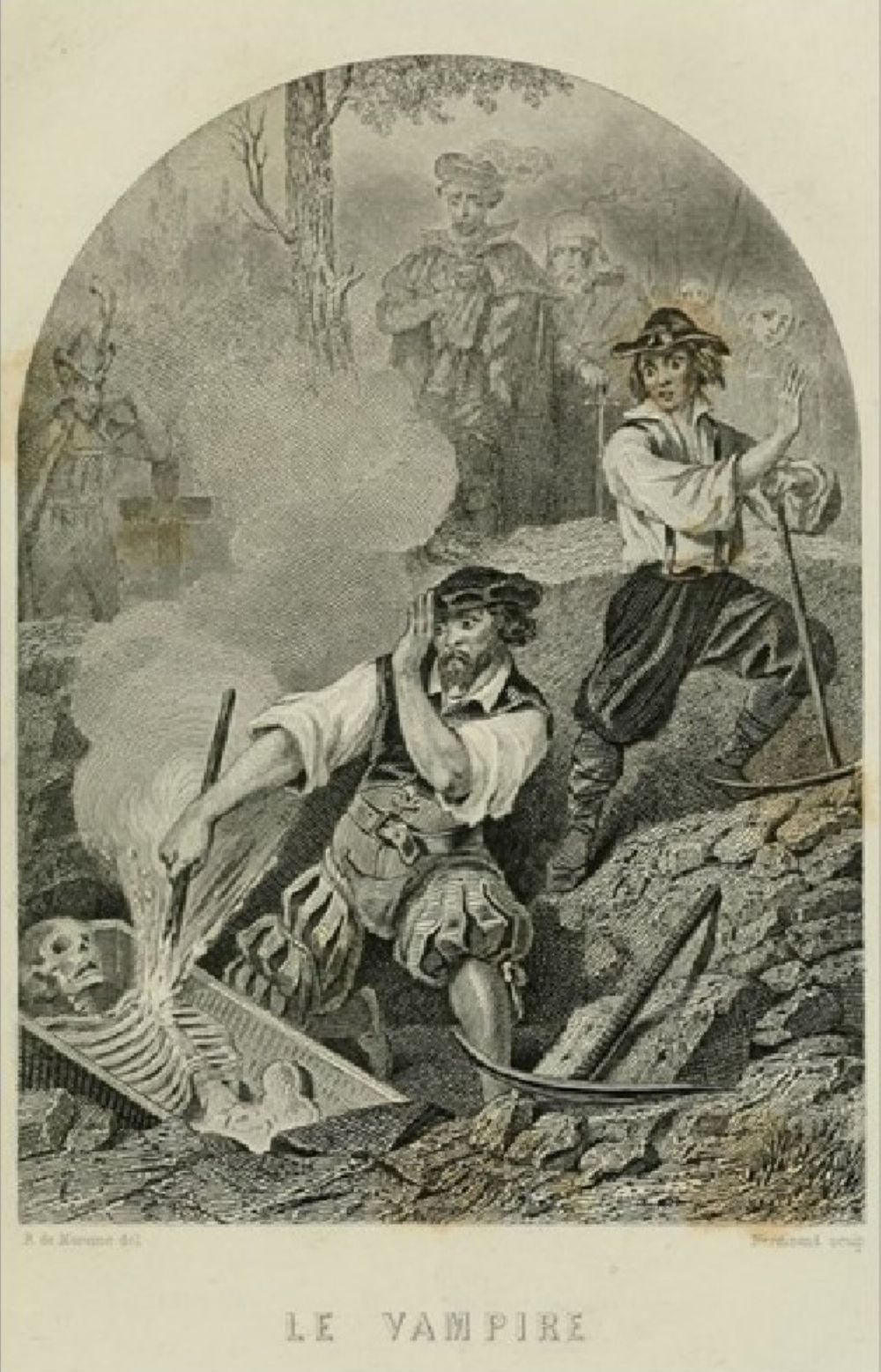
Calmet’s success was tied both to timing and method. Blair characterises its approach as straightforwardly evidence-based after a long run of increasingly repetitive publications. By the mid-eighteenth century, readers had encountered enough disconnected material about “vampires” to want a work that gathered and organised the discussion.
That appetite tells us something important about the period. The popularity of vampire writing was not only about sensation. It was also about classification, explanation and the effort to decide how reports should be evaluated. A survey that promised order could become influential precisely because the subject had become so diffuse in print.

A history of media as well as monsters
Modern readers often meet vampires as fictional characters shaped by novels, film and television. Blair’s account points to an earlier and stranger history: one in which reports of corpses, disease, burial practices and supernatural danger circulated alongside scholarly efforts to assess them.
The eighteenth-century vampire debate was therefore also a media story. Print expanded the scale of circulation, made disparate reports easier to compare and helped establish the term “vampire” in public discussion. It could amplify anxieties, but it could also create demand for more systematic examination.
That does not make the printed record a transparent window onto what communities believed or did. The reports passed through authors, editors, translators and readers. Still, they reveal how an idea can move from local fear to a wider cultural phenomenon when new channels make it easier to reproduce, debate and preserve.
In Blair’s telling, the vampire’s eighteenth-century rise was inseparable from that process. The printed press did not invent every story of restless corpses, but it helped give those stories a broader reach—and helped turn them into a subject that Europe’s reading public felt compelled to discuss.
This article is based on reporting by Live Science. Read the original article.
Originally published on livescience.com