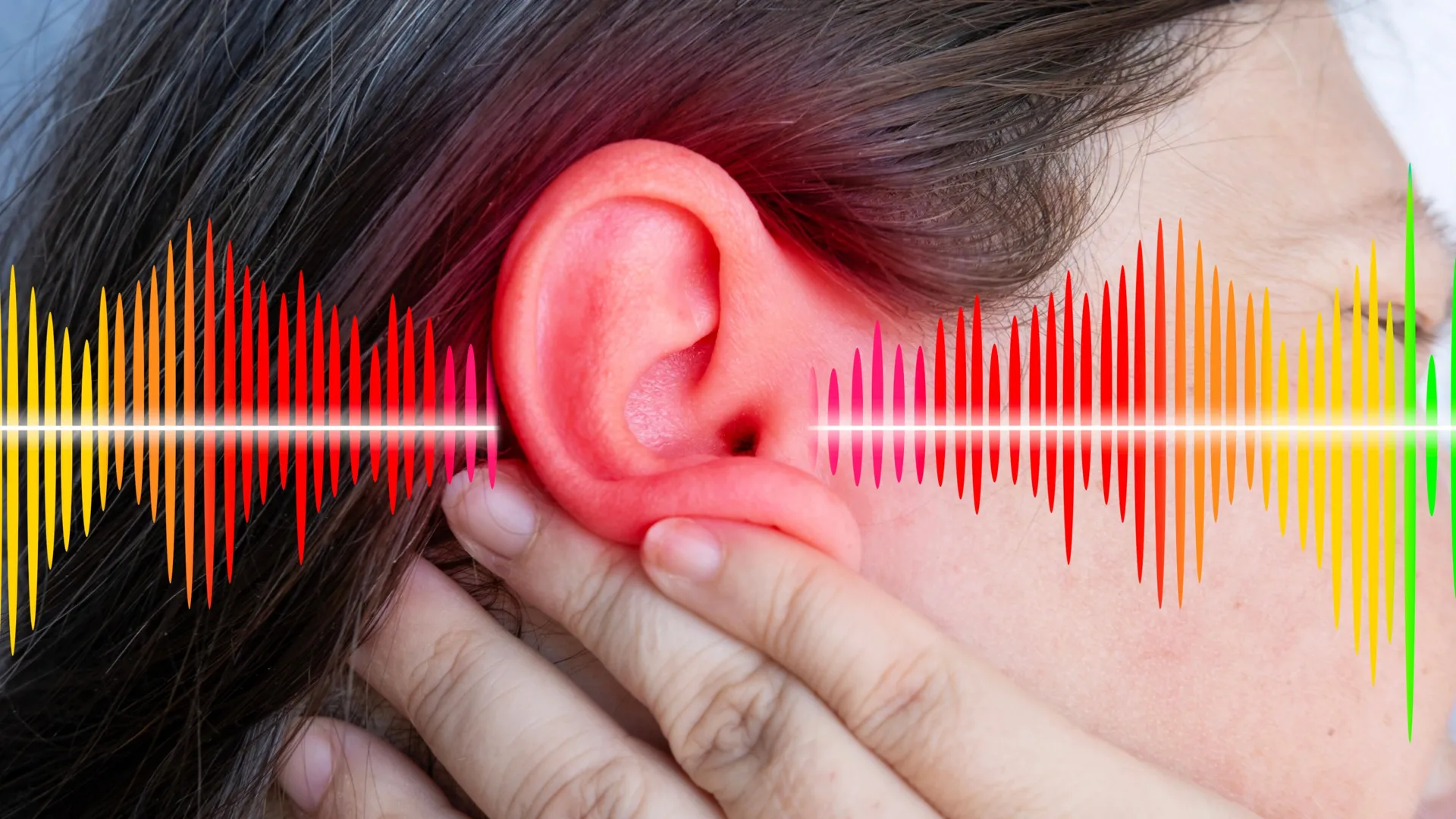
Why Pain Peaks and Troughs Follow the Clock
Anyone living with chronic pain knows that it rarely stays constant throughout the day. Aches intensify in the early morning for some patients, while others find symptoms peak in the late afternoon. For decades this phenomenon was chalked up to activity levels or medication timing, but new research published in the journal Science reveals that the brain itself keeps a biological clock specifically tied to pain regulation.
A research team traced the mechanism to specialized neurons in the hypothalamus, a small region deep in the brain that orchestrates many of the body's rhythmic functions including sleep, hunger, and body temperature. Using optogenetics and single-cell RNA sequencing, the team showed that a distinct cluster of these neurons expresses core circadian clock genes and fires in predictable daily cycles that modulate the sensitivity of the entire pain-sensing system.
The Hypothalamic Oscillator in Detail
The study identified a population of GABAergic neurons in the suprachiasmatic nucleus and its neighboring zones that act as a master oscillator for nociception — the physiological process by which the nervous system detects and signals pain. These neurons send projections both to the spinal cord's dorsal horn, where pain signals first enter the central nervous system, and to the periaqueductal gray, a midbrain region long known to gate pain perception.
By selectively disrupting the clock gene Bmal1 in only these neurons, the researchers abolished the normal daily rhythm of pain sensitivity in mice without affecting any other circadian behaviors such as sleep-wake cycles or locomotor activity. The animals became uniformly hypersensitive to mechanical and thermal stimuli across the full 24-hour period, suggesting that intact clock function in the hypothalamus normally provides a protective trough of reduced sensitivity during certain hours.
Conversely, when the team artificially boosted clock-gene expression in the same neurons, mice showed extended periods of pain insensitivity, a finding with obvious implications for the development of analgesic interventions timed to align with the clock's natural rhythm.
Connecting to Chronic Pain Conditions
The clinical relevance is substantial. Conditions including rheumatoid arthritis, fibromyalgia, migraine, and neuropathic pain are all characterized by predictable diurnal fluctuations in symptom severity. Until now, the biological underpinning of those fluctuations has been poorly understood. This research provides a mechanistic explanation: the hypothalamic pain clock sets a baseline tone of sensitivity, and when the clock is disrupted — by shift work, jet lag, sleep deprivation, or disease — the protective troughs disappear.
The team further showed that chronic stress, which is a common precursor to the development of persistent pain states, gradually erodes the amplitude of the hypothalamic pain oscillator. In a stress-exposed mouse model, the circadian rhythm of pain sensitivity flattened over several weeks, mirroring the loss of rhythmic symptom variation that many patients with central sensitization syndromes report as their conditions progress.
Potential for Chronotherapy
Chronotherapy — the practice of timing drug delivery to align with biological rhythms — is already used in oncology and cardiovascular medicine but has been little explored in pain management. The new findings suggest that non-opioid analgesics could be significantly more effective if administered at windows when the hypothalamic clock is naturally working against pain signaling, potentially allowing lower doses to achieve the same relief.
Researchers also noted that light exposure, which is the primary zeitgeber that entrains the suprachiasmatic nucleus, could in principle be used to shift or reinforce the pain-suppressive phase of the oscillator. This raises the possibility of non-pharmacological interventions such as morning bright-light therapy as an adjunct for patients with circadian-phase disruption contributing to chronic pain.
The next steps include translating these findings to human subjects using functional neuroimaging and circadian biomarkers. Clinical trials examining timed administration of existing analgesics based on individual chronotype are already being designed at several institutions in China and Europe following the paper's publication.
This article is based on reporting by Science (AAAS). Read the original article.

Originally published on science.org