An influential Indigenous image may need a new reading
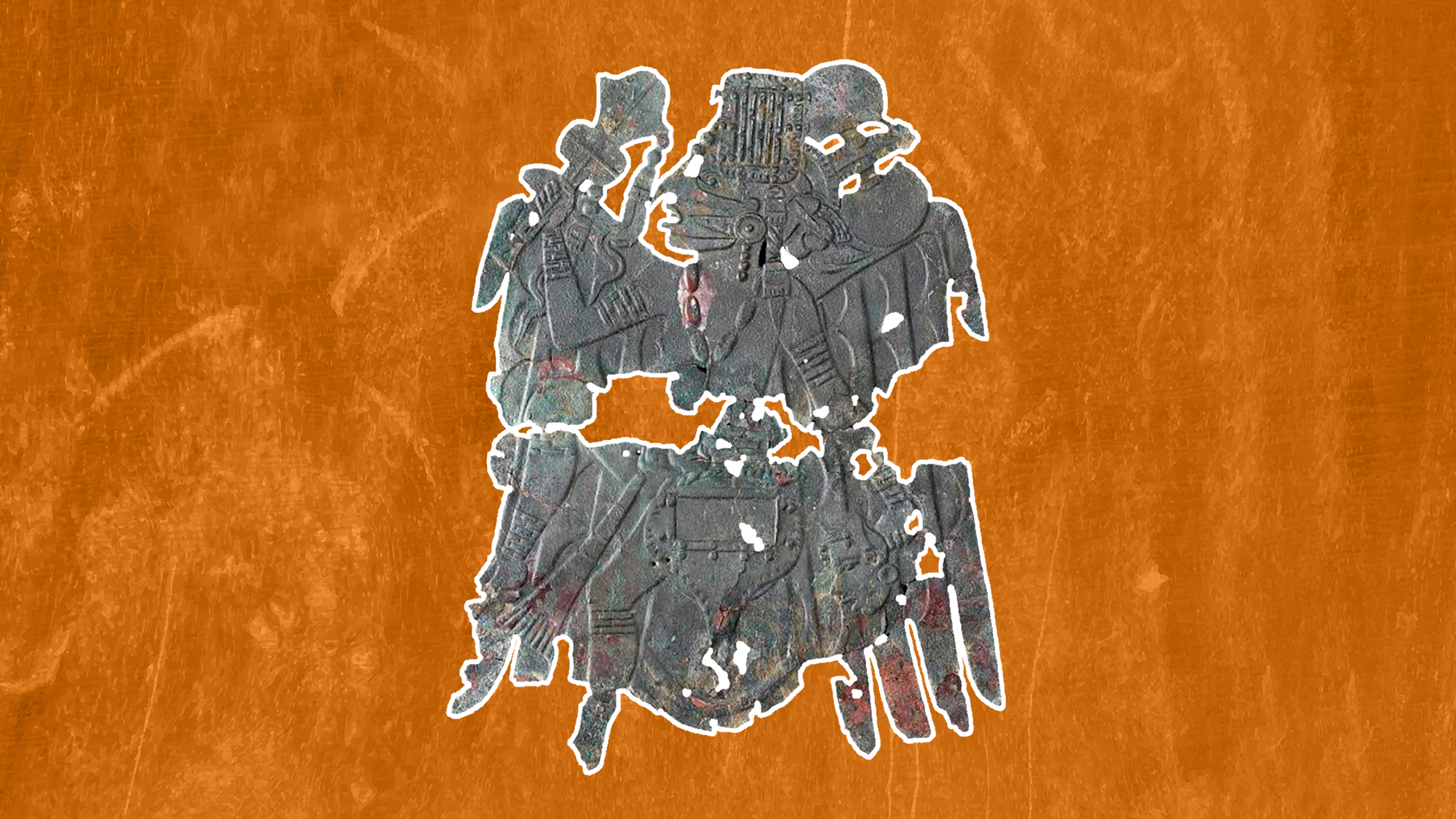
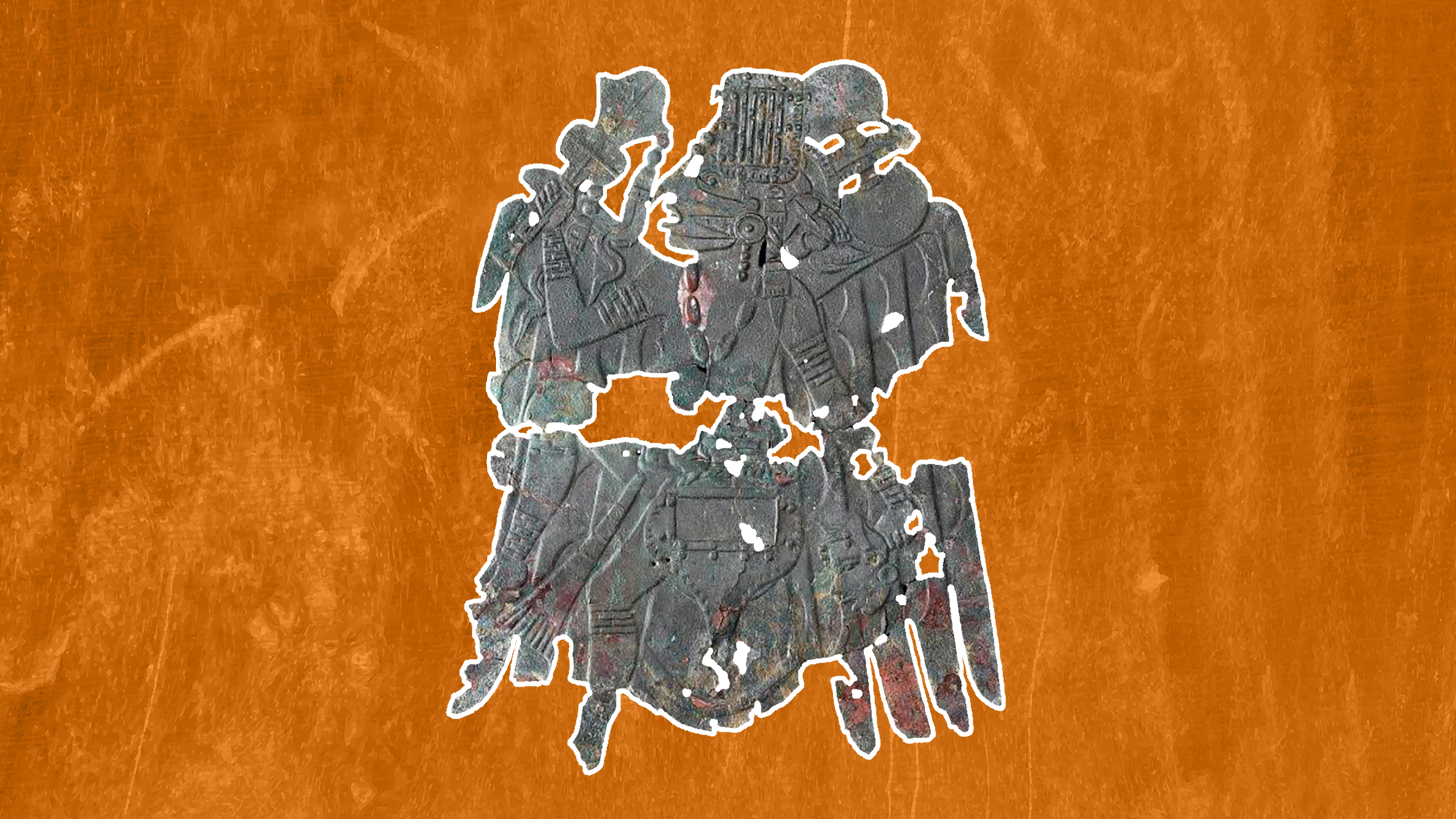
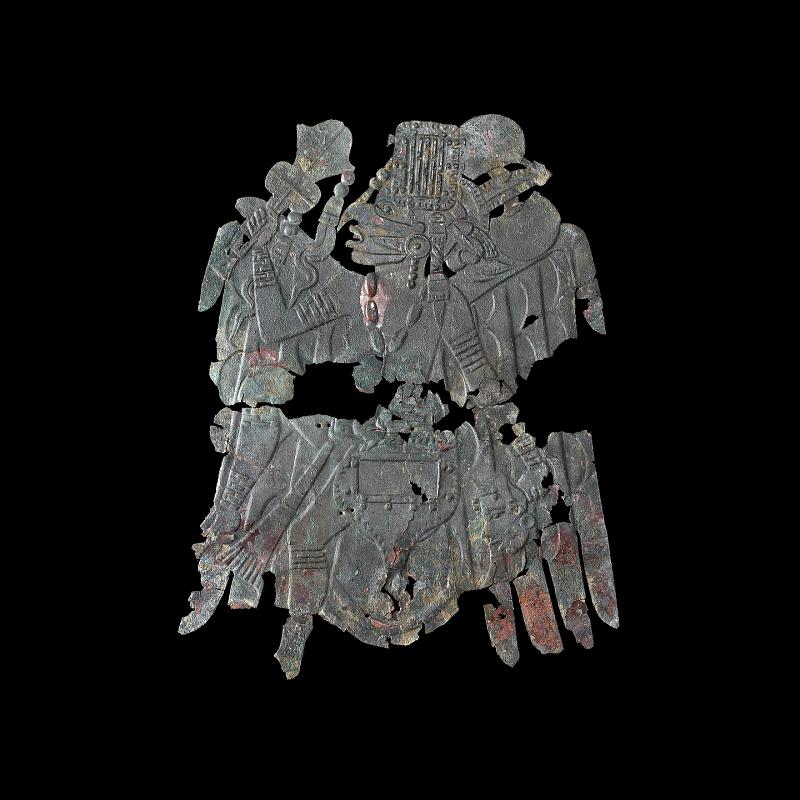
A roughly 700-year-old hammered copper plate long known as the “Birdman” plate may depict a woman ceremonially dressed as a warrior rather than a male figure, according to a new interpretation of the artifact highlighted by Live Science.
The object is visually striking: a human figure wears bird-like regalia and carries a weapon and a severed head. For more than a century, scholars have debated the figure’s identity and meaning. The proposed reinterpretation matters because the plate is one of the best-known surviving works tied to the Southeastern Ceremonial Complex, a broad artistic and ritual tradition shared among Indigenous societies in what is now the southeastern United States.
It also illustrates a central challenge in archaeology. Objects can retain powerful labels long after the evidence and interpretive frameworks behind those labels have changed.
From Cahokia to Georgia
The copper plate, formally known as Rogan Plate 1, was found during excavations in the 1880s at the Etowah Indian Mounds archaeological site in Georgia. It had been placed in a burial associated with a high-status individual who likely died in the mid-14th century.
Researchers believe the plate was made earlier and far to the northwest, at or near Cahokia Mounds in present-day Illinois. Cahokia was a major Mississippian center, and the plate’s journey to Etowah points to extensive exchange networks and shared ceremonial traditions across long distances.
Etowah itself was occupied by thousands of Native Americans between about 1000 and 1550. It was one of several major communities connected to the Mississippian era, alongside places such as Moundville in Alabama and Cahokia in Illinois. The movement of a valuable copper object between these regions is evidence not only of trade, but of an interconnected ceremonial world.

Why the figure’s identity is debated
The plate shows a dominant human figure in elaborate bird-associated dress. The image’s combination of costume, weaponry, and severed head has encouraged interpretations centered on warfare, ritual power, and elite authority. The conventional “Birdman” name helped establish an assumption that the person shown was male.
The newer reading proposes that the figure may instead be a woman wearing warrior regalia in a ceremonial context. It does not remove the ambiguity of the image or settle every question about the plate’s original use. Rather, it widens the interpretive possibilities and cautions against treating an inherited label as a conclusion.
That distinction is important for public understanding. Ancient images rarely arrive with explanatory captions. Archaeologists often have to work from visual details, find location, material, comparisons with related objects, and knowledge of wider cultural traditions. Each new framework can reveal assumptions built into earlier scholarship.
Copper, ceremony and connection
The artifact is about 11 inches, or 28 centimeters, tall and is held by the Smithsonian National Museum of Natural History. Its hammered copper construction reflects specialized craft knowledge and the value attached to copper in Mississippian ceremonial life.
The plate was apparently already old when it was buried at Etowah, making it an heirloom as well as a work of art. That history gives it several layers of significance: it was manufactured in one region, moved through a connected network, and ultimately placed with an important person in another community.
- It dates to the 13th century and was likely made near Cahokia.
- It was discovered at Etowah in Georgia in the late 19th century.
- It was buried with a high-status individual, likely in the mid-14th century.
- Its imagery is linked to the shared visual and ceremonial tradition known as the Southeastern Ceremonial Complex.

Rethinking labels without erasing uncertainty
The possible identification of the figure as a woman does not turn a complex artifact into a simple answer about gender roles in the past. Archaeological interpretation should preserve the uncertainty that remains. But it does challenge the habit of allowing a familiar name to determine what people think they are seeing.
For museums, researchers, and audiences, this is an opportunity to present the plate as an evolving scholarly question rather than a fixed icon. The copper figure still communicates power, ceremony, and connection across a wide Indigenous landscape. Its exact identity remains debated, but the debate itself is now part of what makes the artifact historically important.
Seven centuries after it was made, the plate continues to show how much can be learned when old interpretations are reopened.
This article is based on reporting by Live Science. Read the original article.
Originally published on livescience.com