Um caminho mais calmo para estrelas jovens
Cientistas que usam o Observatório de Raios X Chandra da NASA descobriram que estrelas jovens semelhantes ao Sol diminuem em raios X de forma surpreendentemente rápida, segundo um estudo publicado em The Astrophysical Journal. O resultado muda a forma como os astrônomos pensam sobre as primeiras fases de vida de estrelas parecidas com a nossa e pode melhorar as perspectivas de vida em planetas que as orbitam.
A razão pela qual isso importa é direta. Estrelas jovens podem ser fontes violentas de radiação de alta energia, e os raios X são especialmente relevantes para planetas próximos. Um bombardeio prolongado pode corroer atmosferas e atrapalhar a química necessária para formar moléculas orgânicas associadas à vida como a conhecemos. Se esse período intenso terminar antes do que os pesquisadores esperavam, a janela para recuperação planetária ou desenvolvimento estável também pode se abrir mais cedo.
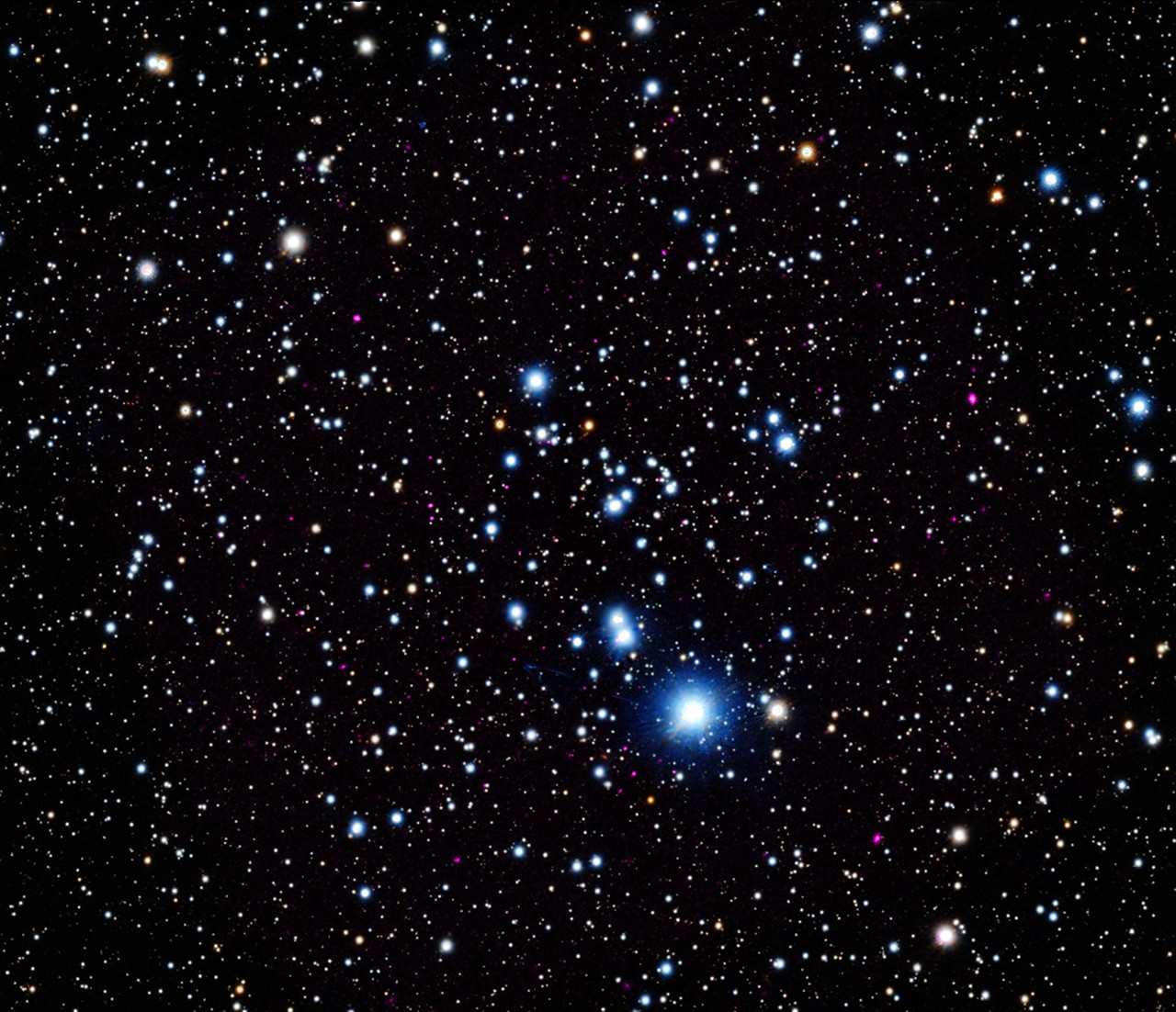
O estudo da NASA analisou oito aglomerados estelares entre 45 milhões e 750 milhões de anos de idade. Os pesquisadores descobriram que estrelas semelhantes ao Sol nesses aglomerados produziam apenas cerca de um quarto a um terço dos raios X esperados. É uma diferença grande, e sugere que os processos magnéticos que alimentam a atividade estelar juvenil se tornam menos eficientes mais cedo do que se acreditava.
O autor principal, Konstantin Getman, da Penn State, relacionou a descoberta a um declínio natural na geração do campo magnético, e não a algum efeito externo. No texto original, o coautor Vladimir Airapetian, do Centro de Voos Espaciais Goddard da NASA, foi além e sugeriu que a existência da Terra pode dever algo ao fato de o Sol ter passado pelo mesmo tipo de acalmamento inicial bilhões de anos atrás. É uma implicação marcante porque liga uma medição astrofísica distante diretamente a questões sobre habitabilidade.
Por que o histórico de raios X importa para a vida
O Sol da Terra hoje é relativamente estável em comparação com sua versão mais jovem, mas o estudo ressalta o quão extremo esse contraste pode ser. A NASA observa que estrelas com três milhões de anos e massa semelhante à do Sol produzem cerca de mil vezes mais raios X do que o Sol atual. Aos 100 milhões de anos, estrelas de massa solar ainda são cerca de 40 vezes mais brilhantes em raios X do que o Sol de hoje. Ainda assim, o novo estudo sugere que o declínio ao longo do tempo é mais acentuado do que o esperado.
Isso importa para a formação de planetas e a sobrevivência de atmosferas. Um mundo em formação ou evolução ao redor de uma estrela jovem precisa suportar o ambiente de radiação que a estrela cria. Energia de alta intensidade por tempo demais pode remover gases e complicar a construção de condições estáveis na superfície. Uma queda mais rápida na intensidade dos raios X não garante habitabilidade, mas elimina um grande obstáculo mais rapidamente.
Há também uma implicação científica mais profunda. A história inicial de uma estrela não é apenas um pano de fundo. Ela molda a arquitetura e a química do sistema planetário ao seu redor. Ao refinar a linha do tempo de raios X para estrelas jovens semelhantes ao Sol, os pesquisadores melhoram os modelos usados para estimar quais exoplanetas podem ter retido atmosferas e quais podem tê-las perdido cedo. Isso é valioso em um período em que a astronomia encontra planetas em ritmo acelerado, mas ainda luta para distinguir mundos apenas rochosos de mundos com condições duradouras e favoráveis à vida.

Um resultado que aprimora modelos de evolução estelar
O estudo também contribui para a própria física estelar. Estrelas jovens são magneticamente ativas, e essa atividade impulsiona a emissão de raios X. As novas observações indicam que a maquinaria magnética interna de estrelas semelhantes ao Sol se torna menos eficiente em uma escala de tempo mais curta do que os astrônomos supunham. Isso será importante para modelos de rotação estelar, frenagem magnética e o acoplamento entre a dinâmica interna e a emissão atmosférica externa.
Como os pesquisadores se basearam em oito aglomerados cobrindo uma ampla faixa etária, o resultado é útil como um mapa comparativo, e não como uma única imagem instantânea. Estudos de aglomerados são poderosos nesse contexto porque as estrelas em um aglomerado geralmente compartilham uma idade e uma origem comuns, permitindo que os astrônomos comparem como a atividade muda entre populações. Os dados do Chandra, portanto, ajudam a determinar não apenas que estrelas jovens se acalmam, mas quando e quão rápido essa transição acontece.
Há também uma mudança conceitual útil aqui. Estrelas jovens costumam ser imaginadas principalmente como ameaças para planetas próximos por causa de sua volatilidade. Este estudo reformula um pouco essa imagem. Sim, o bombardeio inicial de raios X continua severo. Mas o caminho para uma relativa calma pode chegar antes, tornando a juventude estelar menos uniformemente hostil do que se supunha. Para a astrobiologia, isso é um ajuste encorajador.
Por que a descoberta repercute agora
O resultado surge em um momento em que a astronomia se preocupa cada vez mais não apenas com onde os planetas estão, mas com se eles poderiam realisticamente permanecer habitáveis por tempo suficiente para que a química complexa se estabeleça. Essa questão depende de entender as estrelas tanto quanto os planetas. Um planeta promissor ao redor do tipo errado de estrela, ou ao redor do tipo certo de estrela na fase errada de sua vida, talvez nunca tenha a chance de se tornar biologicamente interessante.
A descoberta da NASA não responde à maior questão de saber se a vida é comum ao redor de estrelas semelhantes ao Sol. Mas melhora uma parte das chances. Se os jovens parentes estelares do nosso Sol se acalmam mais rápido em raios X, então mais planetas podem passar menos tempo sob o tipo de agressão atmosférica que dificulta a biologia. Nesse sentido, o estudo é técnico e existencial ao mesmo tempo. Ele refina modelos de evolução estelar enquanto sugere discretamente que a sobrevivência planetária ao redor de estrelas jovens pode ser mais plausível do que o esperado.
Para uma área que avança ao reduzir a incerteza, isso é um progresso significativo. As estrelas neste estudo não são o nosso Sol, mas podem estar nos dizendo algo importante sobre as condições que tornaram o nosso próprio mundo possível.
Este artigo é baseado na cobertura de science.nasa.gov. Leia o artigo original.

Originally published on science.nasa.gov