Introduction: A Window into the Early Solar System
A small rock found in the African desert has just handed scientists an extraordinary window into one of the most violent and consequential periods in the history of the Solar System. Inside this lunar meteorite, researchers at the University of Colorado Boulder have identified evidence of not one but three separate impact events, each leaving its own signature in the rock like entries in a diary written in minerals and heat. The findings offer a rare glimpse into the early bombardment that shaped the Earth-Moon system billions of years ago.
The Geological Time Capsule of the Moon
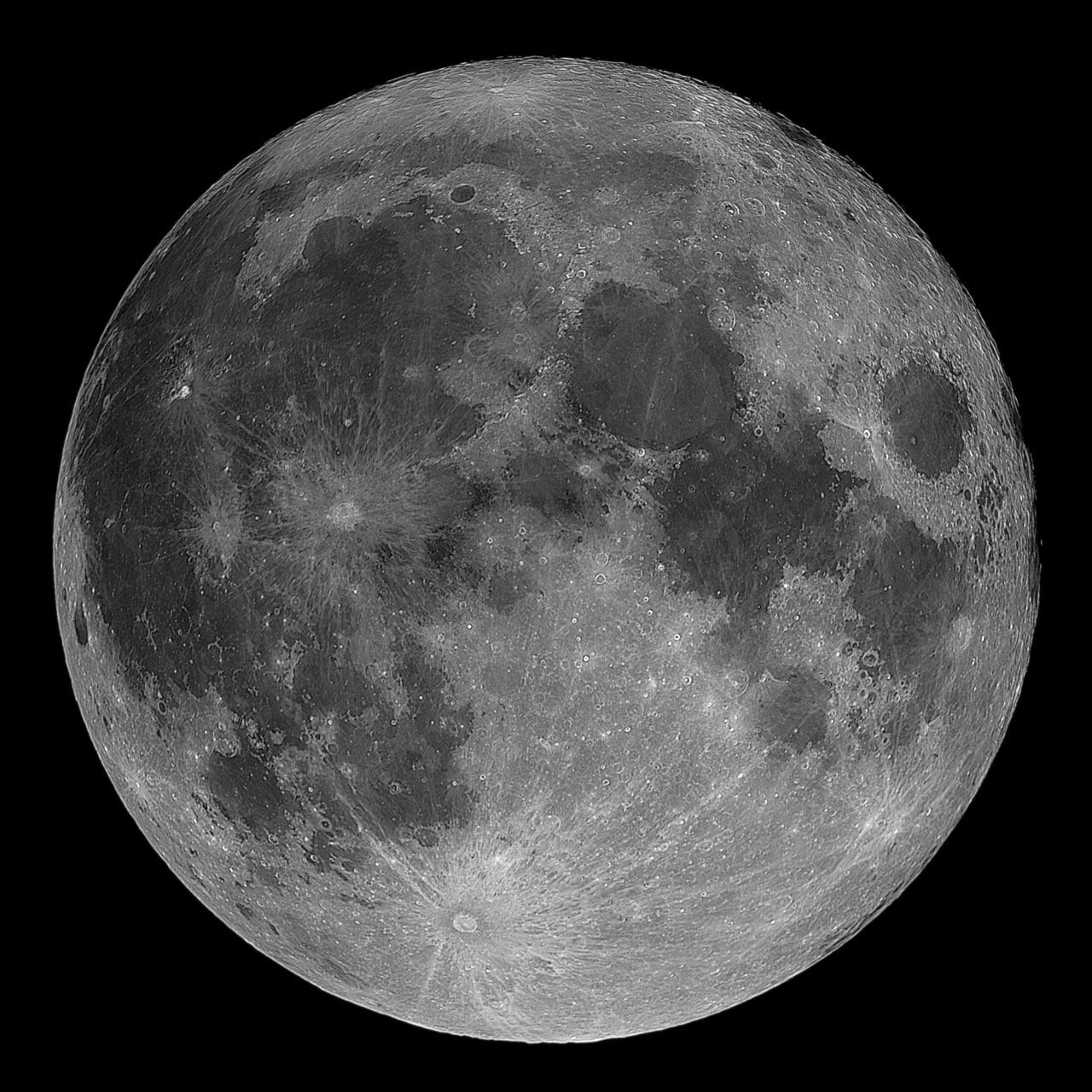
Pick up a handful of soil from your garden and you're holding material that has been recycled, eroded, subducted, and remade so many times that almost nothing of the original early Earth survives. Our planet is a relentless geological engine, constantly destroying its own past. If you want to know what was happening here 3.5 billion years ago, when life was just beginning to take its first tentative hold on the world, you have to look somewhere else. That somewhere else, surprisingly, is the Moon. The Moon shares our neighborhood and our impact history, but it doesn't share our geological upheaval. There's no erosion, no plate tectonics, no weather to wipe the slate clean. What lands on the Moon tends to stay recorded in the rock.

The Meteorite: NWA 12593
The meteorite, catalogued as NWA 12593, originated on the Moon. At some point in the more recent past, a collision knocked it off the lunar surface and sent it on a slow journey toward Earth, where it eventually fell and was found in northwest Africa. Inside it, researchers have now identified evidence of three distinct impact events, each leaving its own signature in the rock.
The Oldest and Most Significant Impact
The oldest and most significant impact happened around 3.5 billion years ago. It was enormous, and the energy released was sufficient to melt the entire surface of the surrounding area into a flowing sheet of liquid rock. The temperatures reached were so extreme that they created cubic zirconia, the same mineral used in jewelry but in this case formed naturally under conditions of almost unimaginable violence. Cubic zirconia is fragile at low temperatures and rarely survives in nature, so finding traces of it in this meteorite is a fingerprint of something catastrophic.

A Second Impact and the Formation of Breccia
A second, smaller impact later shattered that solidified melt sheet, mixing the broken fragments together and fusing them into the type of rock geologists call a breccia—essentially a natural concrete of crushed and rewelded material. The meteorite itself is that very breccia, which was later launched off the Moon toward Earth by a third, relatively recent impact.
Implications for Earth's Early History
But it's the timing of the first event that has really captured the attention of the scientists. That same 3.5 billion year window shows up in the impact record on Earth, suggesting a period of intense bombardment that may have influenced the emergence of life. The lunar meteorite provides a pristine record of this violent epoch, preserved in the cold vacuum of space for eons.

Conclusion: A Story Written in Rock
This small rock from the Moon tells a story of immense violence and transformation. It reminds us that the history of our Solar System is written not just in the planets, but in the fragments that travel between them. As we continue to study such samples, we piece together the narrative of our cosmic neighborhood—a narrative that began with fire and fury, and eventually gave rise to life on Earth.
This article is based on reporting by Universe Today. Read the original article.
Originally published on universetoday.com