Um passo mais ambicioso na inspeção em órbita
A empresa japonesa de sustentabilidade espacial Astroscale diz que lançará em 2027 uma missão para inspecionar dois satélites japoneses aposentados em órbita, buscando o que descreve como a primeira tentativa do mundo de inspecionar múltiplas naves espaciais inativas em órbitas diferentes em um único voo.
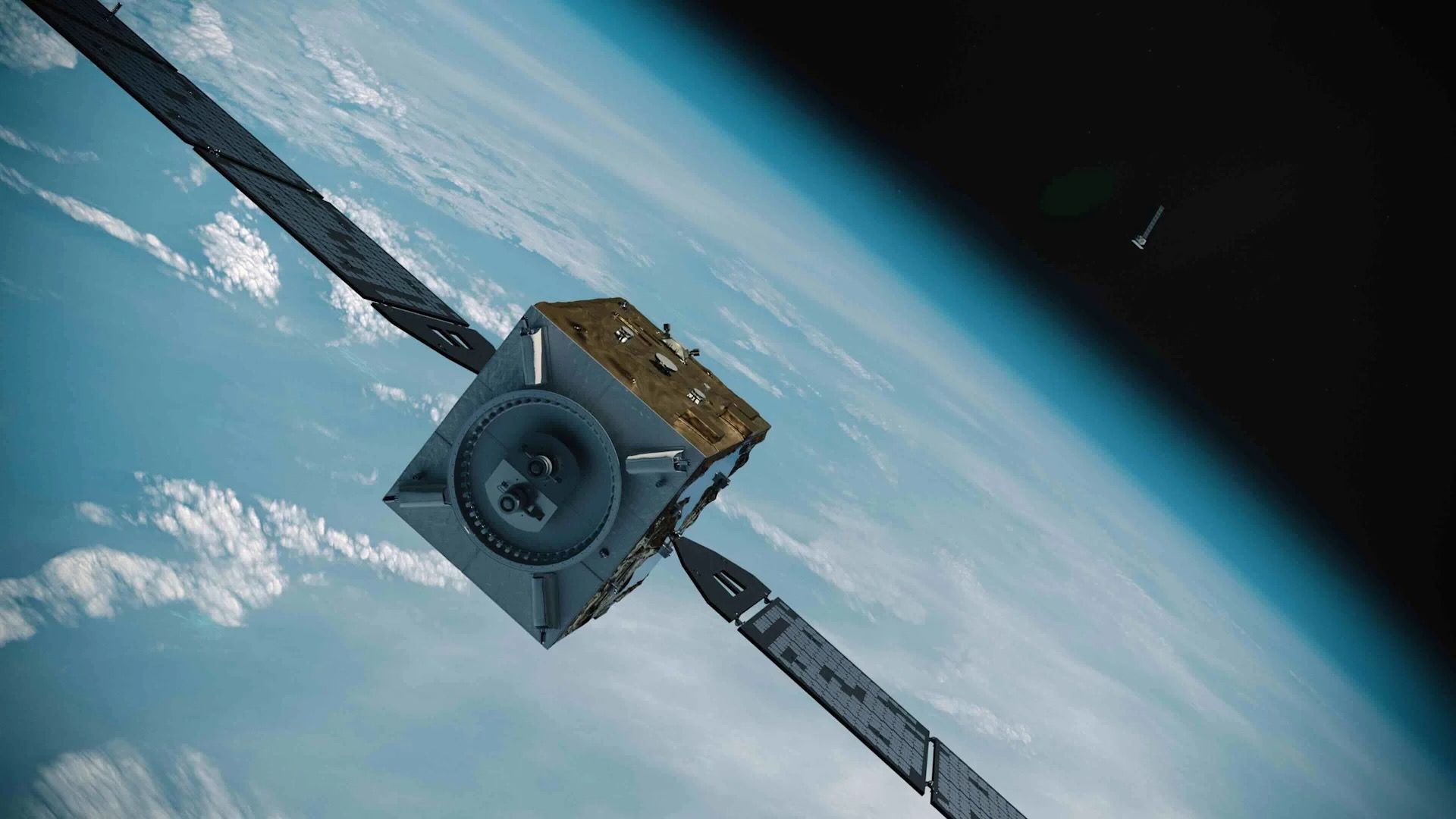
A missão, chamada In-situ Space Situational Awareness-Japan 1, ou ISSA-J1, ampliaria o trabalho da empresa em operações de proximidade e serviços orbitais. Segundo o relatório fornecido, a nave espacial fará rendezvous com dois satélites não operacionais em órbitas separadas e os inspecionará visualmente para ajudar a determinar as causas de suas falhas.
Por que inspecionar satélites mortos importa
Satélites inativos não são apenas hardware parado. Eles são partes da infraestrutura deixadas em órbita e podem se tornar fontes de incerteza operacional para operadores de satélites e governos. Uma missão capaz de se aproximar, obter imagens e avaliar naves inativas oferece aos engenheiros uma forma de entender o que aconteceu depois de uma falha e desenvolver técnicas que podem, mais tarde, apoiar a mitigação de detritos ou missões de serviço.
A ISSA-J1 é apresentada como uma missão de inspeção, não de remoção. Essa distinção importa porque coloca a ênfase em consciência situacional, diagnóstico e capacidade de manobra orbital. Antes de operadores poderem reparar, remover ou gerenciar com segurança objetos não cooperativos, eles precisam primeiro de métodos confiáveis para se aproximar e observá-los.
Baseada na experiência da ADRAS-J
O relatório diz que a ISSA-J1 segue o sucesso anterior da missão Active Debris Removal by Astroscale-Japan, conhecida como ADRAS-J, que capturou imagens em close de um estágio de foguete exaurido em órbita. Essa missão anterior demonstrou que a empresa podia realizar operações de rendezvous e proximidade em torno de um objeto não preparado no espaço, um dos desafios técnicos mais difíceis em serviços orbitais.
A ISSA-J1 parece ter sido projetada para levar essa experiência adiante. Em vez de inspecionar um único objeto, a Astroscale planeja visitar dois satélites separados em órbitas diferentes. Isso aumenta a complexidade de navegação e operação, porque a nave precisa sequenciar várias operações de rendezvous em vez de executar uma campanha de alvo único.
A nave e suas ferramentas
Segundo o texto fornecido, a ISSA-J1 terá massa de 650 quilos, ou cerca de 1.430 libras. Ela usará um conjunto de propulsores e sistemas de imagem para realizar operações de rendezvous e proximidade. Essas capacidades são centrais para a missão: a nave não precisa apenas alcançar seus alvos, mas também manobrar com segurança nas proximidades e coletar informações visuais úteis.
O objetivo dessas inspeções é prático. A Astroscale diz que a missão ajudará a determinar por que os satélites falharam. Isso faz da nave uma espécie de investigadora orbital, coletando evidências depois do fato em um ambiente onde o acesso físico direto raramente é possível.
Um teste para o mercado de serviços orbitais
Além da missão em si, a ISSA-J1 aponta para a expansão gradual dos serviços comerciais em órbita da Terra. A capacidade de inspecionar satélites aposentados ou falhos pode se tornar um serviço fundamental para seguradoras, proprietários de satélites e agências espaciais nacionais à medida que o tráfego orbital cresce e as naves permanecem em serviço por mais tempo.
O enquadramento da empresa também se alinha a um impulso mais amplo da indústria em torno da sustentabilidade espacial. Missões que melhoram a consciência sobre o que acontece com objetos já em órbita podem apoiar futuros serviços de remoção de detritos, inspeção e extensão de vida útil. Mesmo que a ISSA-J1 se limite à avaliação visual, seu perfil operacional pode ajudar a definir como serão as missões comerciais subsequentes de serviços orbitais.
Se for lançada conforme o previsto em 2027, a missão será observada de perto não apenas pela execução técnica, mas também pelo que diz sobre a próxima fase das operações orbitais. Inspecionar uma nave espacial morta já é difícil. Inspecionar duas, em órbitas diferentes, em uma única missão, levaria essa disciplina para uma categoria mais capaz e comercialmente relevante.
- A Astroscale diz que a ISSA-J1 inspecionará dois satélites japoneses inativos em 2027.
- A empresa descreve isso como a primeira missão do tipo em múltiplas órbitas.
- A nave usará propulsores e sistemas de imagem para operações de rendezvous e proximidade.
- A missão pretende ajudar a determinar as causas das falhas dos satélites.
Este artigo é baseado na cobertura da Space.com. Leia o artigo original.
Originally published on space.com