Uma população ausente de nuvens de gás do universo primitivo entra em vista
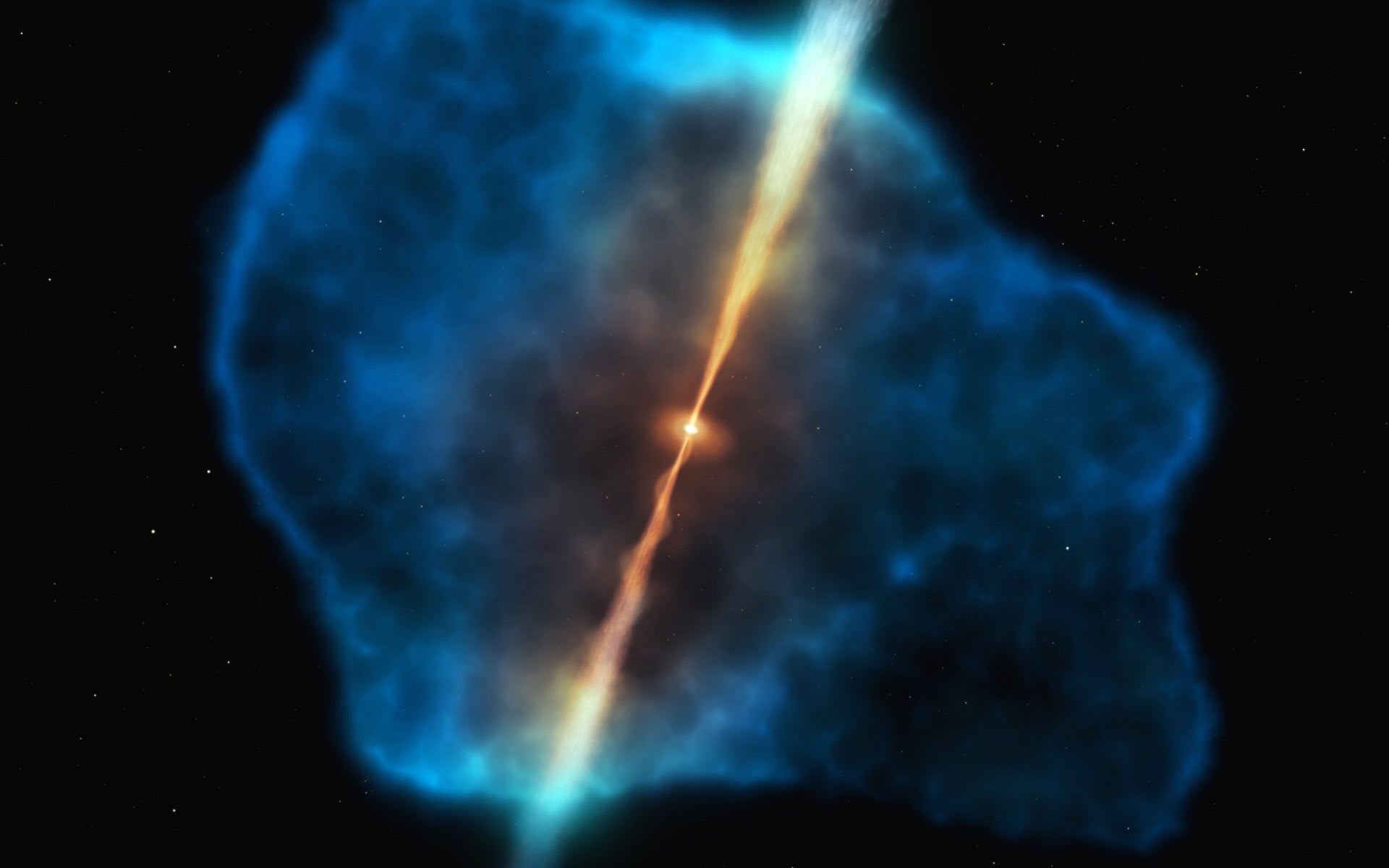
Astrônomos que trabalham com dados do Hobby-Eberly Telescope Dark Energy Experiment, ou HETDEX, dizem ter identificado dezenas de milhares de gigantescos halos de gás hidrogênio em torno de galáxias que existiram há cerca de 10 a 12 bilhões de anos. O resultado acrescenta peso substancial a uma ideia antiga em cosmologia: a de que as galáxias primordiais estavam embebidas em vastos reservatórios de hidrogênio que ajudaram a alimentar a rápida formação de estrelas durante a era frequentemente chamada de amanhecer cósmico.
A descoberta, descrita em um estudo publicado no The Astrophysical Journal, é significativa não apenas porque adiciona mais exemplos ao registro, mas porque muda a escala do que os pesquisadores podem analisar. Evidências anteriores apontavam para apenas alguns milhares desses halos. Levar essa contagem para dezenas de milhares dá aos astrônomos uma amostra estatística muito maior para testar modelos de como a matéria se organizava no universo jovem.
Por que os halos de hidrogênio importam
Modelos cosmológicos padrão descrevem um universo jovem permeado por nuvens maciças de hidrogênio neutro. A partir desse material, surgiram as primeiras gerações de estrelas e galáxias. Por anos, astrônomos teorizam que muitas galáxias primordiais deveriam ter sido cercadas por enormes halos de gás hidrogênio, conhecidos como nebulosas Lyman-alpha. Esses halos teriam servido como uma fonte crucial de matéria-prima para o rápido crescimento das galáxias.
O desafio é que o hidrogênio é difícil de detectar diretamente porque não emite sua própria luz de uma forma simples e brilhante. Segundo o material de origem, o gás pode brilhar quando é iluminado por galáxias e estrelas intensas que emitem ultravioleta. Isso significa que os astrônomos precisam tanto das condições físicas certas quanto dos instrumentos certos para captar o sinal.

Como o HETDEX conseguiu isso
O HETDEX foi projetado para mapear as posições de mais de um milhão de galáxias a fim de medir a influência da energia escura. Essa missão produziu exatamente o tipo de conjunto de dados espectrais grande e repetível que também pode ajudar a responder outras grandes questões sobre o universo. A equipe de pesquisa usou uma técnica estatística conhecida como empilhamento, que combina espectros de milhares de galáxias distantes para revelar feições espectrais tênues demais para serem detectadas em objetos isolados.
Esse ponto importa. Os halos recém-relatados não estavam simplesmente esperando para ser vistos em alguns sistemas inusitadamente brilhantes. Em vez disso, os dados precisaram ser combinados em escala para trazer à tona um sinal enterrado no ruído. Em termos práticos, isso significa que o resultado diz respeito tanto à astronomia de levantamento quanto ao método de dados quanto a uma única observação.
O texto de origem observa que o Hobby-Eberly Telescope é um dos maiores do mundo e que o instrumento HETDEX produz cerca de 100.000 espectros em cada observação. Esse nível de rendimento é o que torna possível descobrir populações tênues. É um lembrete de que a astronomia moderna avança cada vez mais por meio da coleta de dados em escala industrial combinada com análise estatística cuidadosa.
O que a descoberta muda
Os halos relatados se alinham com uma visão do universo primitivo em que as galáxias não eram ilhas isoladas, mas nós dentro de grandes ambientes gasosos. Se galáxias de 10 a 12 bilhões de anos atrás eram comumente envoltas por estruturas estendidas de hidrogênio, então essas estruturas provavelmente faziam parte do canal pelo qual a matéria fluía para a formação estelar e a montagem galáctica.
Isso ajuda a reconectar observação e teoria. A questão nunca foi apenas se alguns halos dramáticos existiam, mas se eram comuns o bastante para sustentar a narrativa dominante do rápido crescimento inicial. Uma amostra de dezenas de milhares torna essa interpretação mais ampla mais difícil de descartar.
Também sugere que a astronomia baseada em levantamentos ainda pode estar subcontando estruturas difusas importantes no universo. Feições fracas demais para aparecer em um objeto por vez podem se tornar visíveis quando grandes conjuntos de dados são tratados como evidência coletiva. Esse é um padrão cada vez mais poderoso na astrofísica.

O que ainda precisa ser aprendido
A descoberta não encerra todas as questões sobre o papel desses halos. Os astrônomos ainda vão querer caracterizar seus tamanhos, distribuições de brilho, ambientes e relação com diferentes tipos de galáxias. Também vão querer comparar as observações com simulações para testar com que precisão os modelos atuais descrevem o movimento do gás para dentro e ao redor das galáxias em formação.
Mas, mesmo antes da chegada desses estudos de acompanhamento, o resultado se destaca como um avanço significativo. Ele amplia em uma ordem de magnitude o censo observado de uma estrutura cósmica teorizada e o faz em um momento da história do universo que permanece central para entender como os primeiros grandes sistemas tomaram forma.
Uma lição maior da era dos dados na astronomia
Há também uma história metodológica mais ampla aqui. O HETDEX foi construído para investigar a energia escura, mas seus dados agora estão iluminando outro grande problema da cosmologia. Esse tipo de reaproveitamento está se tornando uma das forças dos grandes observatórios: um único levantamento pode apoiar descobertas em múltiplas áreas se o conjunto de dados for profundo o suficiente e as ferramentas analíticas forem fortes o bastante.
Para a Developments Today, este é exatamente o tipo de história científica que vale acompanhar. Não se trata de uma afirmação especulativa nem de uma curiosidade de imagem única. É um resultado em escala populacional que afina uma imagem fundamental do universo primordial. Agora parece que dezenas de milhares de halos gigantes de hidrogênio faziam parte da paisagem cósmica durante a era em que as galáxias cresciam rapidamente. Isso dá aos astrônomos uma base observacional muito mais firme para entender como o amanhecer cósmico realmente se desenrolou.
Este artigo é baseado na cobertura da Universe Today. Leia o artigo original.

Originally published on universetoday.com