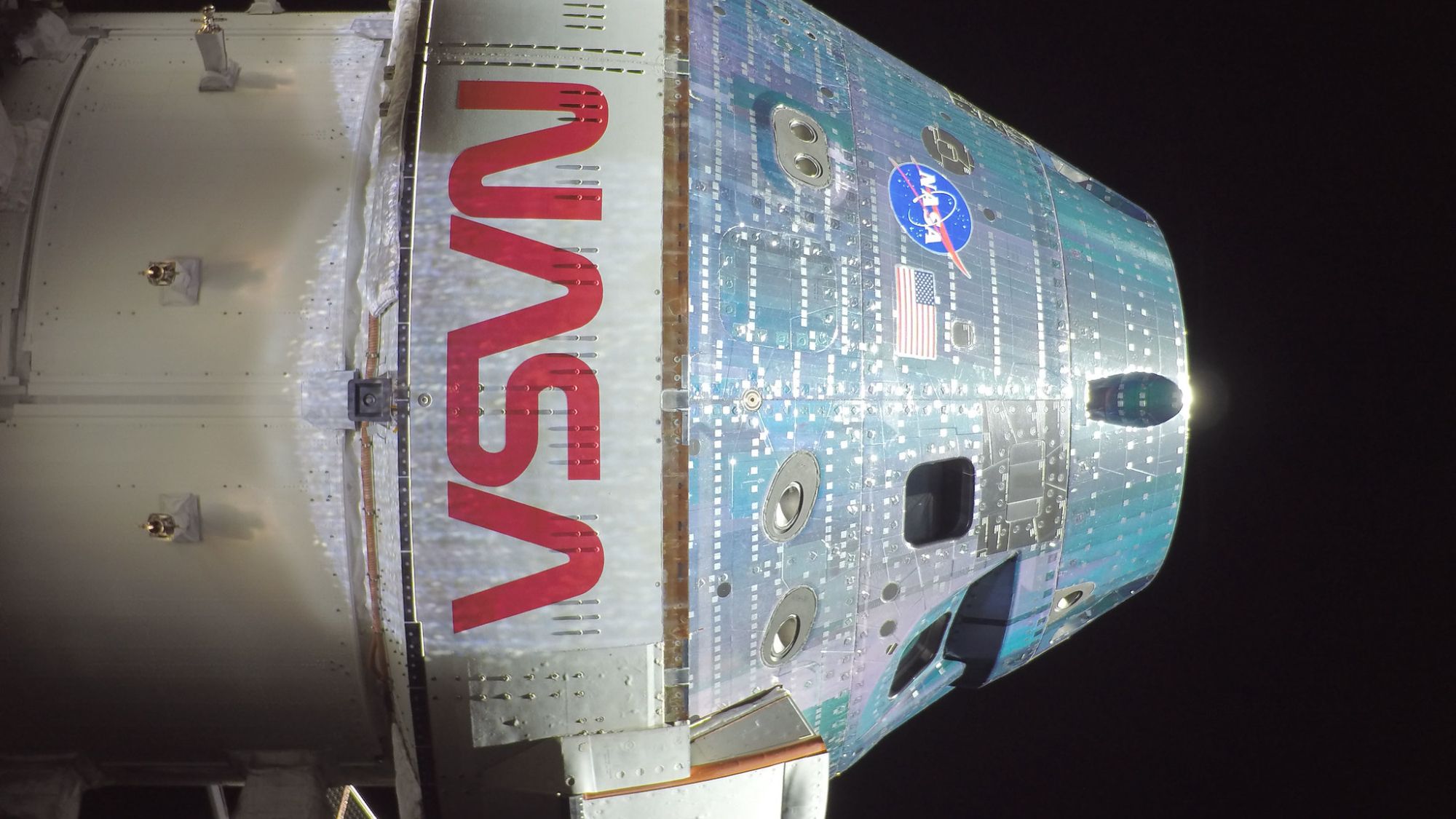
Tripulação da Artemis 2 passa por um problema estranho, mas administrável, em voo
A missão Artemis 2 da NASA acrescentou uma nota incomum à sua viagem ao redor da Lua quando os astronautas a bordo da Orion relataram um cheiro de queimado vindo da área do banheiro da nave. O problema surgiu no fim de 3 de abril, quando a tripulação de quatro pessoas já havia ultrapassado o ponto médio da jornada de ida, transformando uma discussão rotineira sobre sistemas em um lembrete de que até missões altamente planejadas podem produzir problemas inesperados no espaço profundo.
De acordo com o relato da tripulação transmitido da Orion, o odor parecia estar concentrado na área de higiene. O especialista de missão Jeremy Hansen disse que percebeu o que parecia ser um cheiro de queimado e que, quando a área de higiene foi aberta, o restante da tripulação também conseguiu senti-lo. Na Terra, um relato assim dispararia preocupação imediata. Em uma nave espacial em missão lunar, ele provoca a mesma preocupação, mas com muito menos opções de inspeção, reparo ou substituição.
Ainda assim, a resposta inicial do Controle da Missão foi ponderada, e não alarmada. A equipe em terra indicou que não estava excessivamente preocupada, embora continuasse investigando a origem do cheiro. Essa distinção importa. No voo espacial, nem toda anomalia é uma emergência, mas toda anomalia precisa ser tratada como um ponto de dados até que os engenheiros entendam se ela reflete um incômodo passageiro, uma interação entre sistemas ou um problema mais profundo de hardware.
Um teste real dos sistemas de habitabilidade da Orion
O relato é notável porque a Artemis 2 não é apenas o retorno simbólico de astronautas ao espaço profundo. Ela também é um teste de como a Orion se comporta como nave tripulada durante um perfil real de missão lunar. Isso inclui propulsão, navegação, comunicações, procedimentos da tripulação, controle ambiental e os sistemas comuns, mas essenciais, que tornam habitável um ambiente confinado por vários dias.
Banheiros raramente viram manchete, a menos que algo dê errado, mas os equipamentos de higiene são uma parte séria do projeto de uma nave espacial. Eles precisam funcionar em microgravidade, caber em uma cabine pequena, limitar odores, gerenciar resíduos com segurança e permanecer utilizáveis por uma tripulação que tem pouca privacidade e nenhum quarto reserva no fim do corredor. Um cheiro associado à área do banheiro, portanto, fica na interseção entre conforto da tripulação, integridade do suporte à vida e operações da nave.
Isso não significa que a Orion esteja em perigo. Com base nas informações divulgadas até agora, a NASA não tratou o odor como uma ameaça à missão. Em vez disso, o incidente parece o tipo de questão que os engenheiros esperam registrar durante a primeira missão tripulada de uma nova nave lunar. A Artemis 2 foi concebida em parte para revelar exatamente esse tipo de realidade operacional antes que missões posteriores coloquem tripulações em cenários mais exigentes.
O episódio também ressalta o valor de astronautas capazes de fornecer observações sensoriais detalhadas. A descrição de Hansen deu às equipes em terra um local específico e uma caracterização clara do cheiro, permitindo que os engenheiros começassem a restringir as possibilidades. Nas operações de naves espaciais, relatos da tripulação em linguagem simples muitas vezes se tornam o ponto de partida para a solução técnica de problemas.
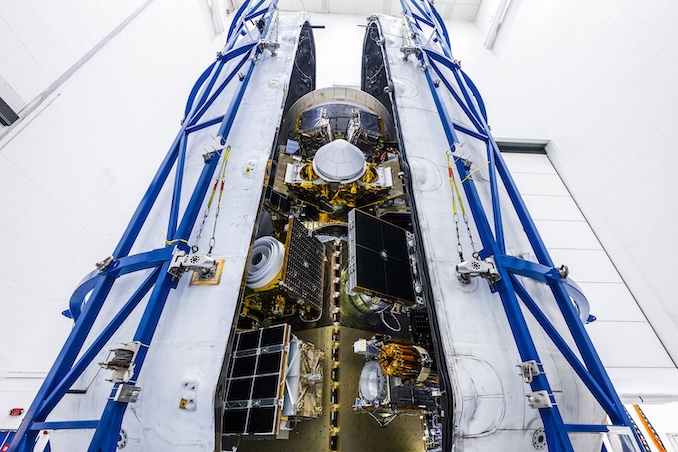
Na metade do caminho até a Lua, ainda se constrói o caso para voos futuros da Artemis
O momento aumentou a atenção em torno do incidente. A Artemis 2 já havia cruzado a marca da metade do caminho até a Lua, um marco com importância simbólica e prática. A missão tem como objetivo demonstrar que a NASA pode novamente enviar astronautas ao espaço profundo e operar uma moderna nave tripulada fora da órbita baixa da Terra. Por isso, cada dia do voo é observado tanto por momentos de destaque quanto por lições operacionais sutis.
A decisão da NASA de não ampliar a preocupação pública sugere que a agência vê o odor como administrável dentro dos parâmetros atuais da missão. Essa postura calma, por si só, é informativa. Agências espaciais costumam ser cuidadosas na forma como caracterizam anomalias em voo, especialmente em missões de alta visibilidade. Se a mensagem pública é que a equipe está investigando o problema, mas não está excessivamente preocupada, isso indica que o quadro geral dos sistemas da nave permanece estável.
Mesmo assim, o evento certamente será examinado após a missão. A Artemis 2 é um voo inicial de comprovação para o hardware e para os procedimentos que o sustentam. Se a origem do odor for atribuída a uma peculiaridade de projeto, interação entre materiais, problema de fluxo de ar ou subproduto operacional esperado, a NASA vai querer isso documentado antes que futuras tripulações voem. Se for um incômodo isolado, isso também é um conhecimento valioso.
Há uma longa tradição no voo espacial humano de pequenas esquisitices a bordo se tornarem parte da memória das missões. A diferença agora é que a Artemis está reconstruindo uma rota para a Lua sob intensa atenção pública e com ambições de longo prazo que vão além de um único sobrevoo. Um cheiro de banheiro não é a história que a NASA queria associar a uma grande missão lunar, mas é um tipo de história muito humano para uma missão muito humana.
Por enquanto, a principal conclusão é direta: a Orion segue no curso, a tripulação continua engajada e o Controle da Missão trata o odor como um problema a ser entendido, não como uma crise a ser contida. É para isso que serve uma missão de teste. A Artemis 2 não está apenas demonstrando que astronautas podem viajar de volta rumo à Lua. Ela também mostra como um programa moderno de espaço profundo lida com os detalhes mundanos, incômodos e inesperados que vêm com viver dentro de uma nave espacial.
Este artigo é baseado na cobertura da Space.com. Leia o artigo original.
Originally published on space.com