Uma busca em sala de aula levou a uma descoberta estelar notável
Um grupo de estudantes de graduação da Universidade de Chicago identificou o que pode ser uma das estrelas conhecidas mais antigas do universo, e o objeto parece ter uma história de origem ainda mais incomum do que sua idade. Segundo o Universe Today, a estrela, designada SDSS J0715-7334, está agora na Via Láctea, mas provavelmente se formou em outra galáxia antes de migrar para cá.
A descoberta surgiu de um “Field Course in Astrophysics” conduzido pelo professor Alex Ji, com as assistentes de ensino de pós-graduação Hillary Andales e Pierre Thibodeaux. Trabalhando com dados do Sloan Digital Sky Survey, os estudantes passaram semanas examinando milhares de candidatos estelares e os reduziram a 77 objetos para observações de acompanhamento. Em 21 de março de 2025, eles observaram SDSS J0715-7334 por três horas usando o instrumento MIKE nos telescópios Magellan, no Observatório Las Campanas.
Por que essa estrela se destaca
O Universe Today relata que SDSS J0715-7334 é uma gigante vermelha localizada a 79.256 anos-luz e com uma metalicidade extraordinariamente baixa. Sua composição é descrita como quase inteiramente hidrogênio e hélio, com apenas 0,005% dos metais encontrados em estrelas como o Sol. O relatório diz que isso lhe confere a menor metalicidade de qualquer estrela já observada.
Esse é o ponto central de sua importância. Em astronomia, “metais” significa elementos mais pesados que o hélio. As primeiras estrelas se formaram antes de o universo ser significativamente enriquecido com esses elementos mais pesados. As gerações estelares posteriores herdaram progressivamente mais deles depois que estrelas anteriores viveram, explodiram e semearam o espaço com novo material. Assim, uma estrela com conteúdo metálico extremamente baixo é uma pista de uma era cósmica muito mais antiga.
Nesse sentido, SDSS J0715-7334 é valiosa não apenas como objeto no céu, mas como registro das condições próximas ao início da história estelar. Ela parece pertencer a uma população formada depois que as primeiras estrelas já haviam encerrado suas vidas e enriquecido o universo o suficiente para que surgisse uma segunda geração.

A história da migração pode ser tão importante quanto
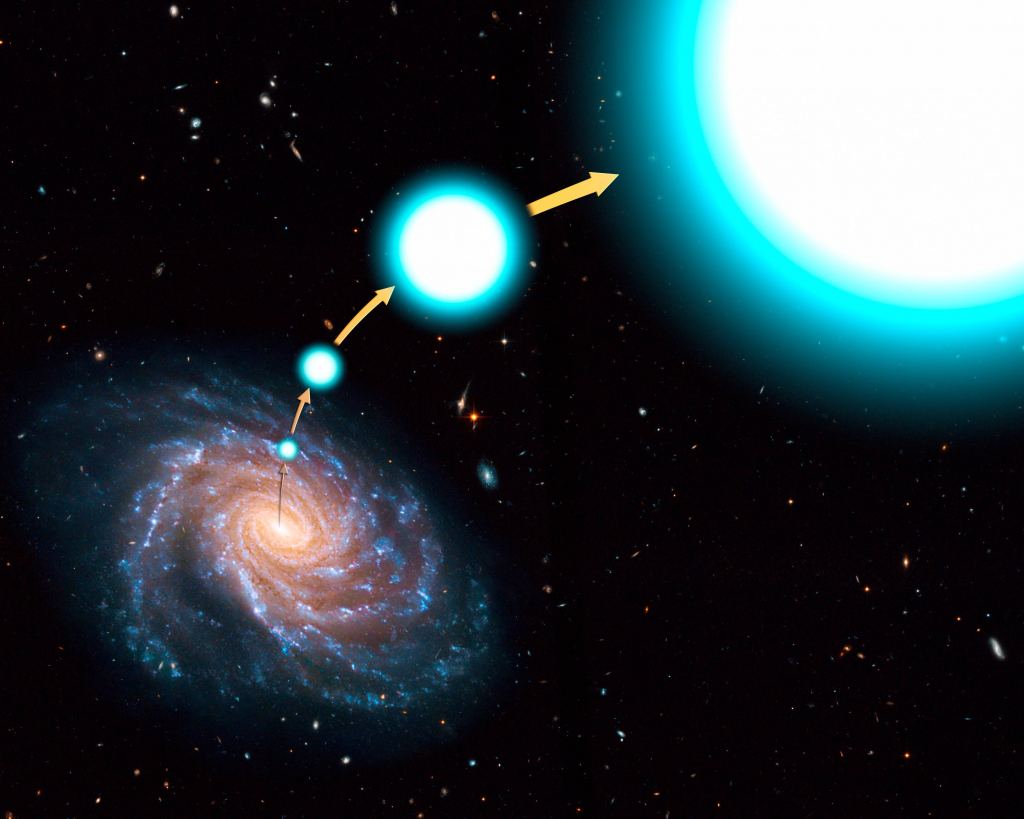
A reviravolta mais marcante é que a estrela pode não ser nativa da Via Láctea. O Universe Today diz que a equipe concluiu que ela migrou de outra galáxia. Essa afirmação acrescenta uma dimensão de arqueologia galáctica à descoberta. A Via Láctea não é um sistema estático e fechado; ela cresceu ao longo do tempo ao interagir com e absorver companheiras menores. Uma estrela como essa pode, portanto, funcionar como evidência dessa longa história de montagem.
O relatório menciona especificamente a Grande Nuvem de Magalhães, uma das galáxias satélites da Via Láctea. Embora o texto fornecido não detalhe completamente a cadeia de evidências que liga a estrela a uma origem específica, o ponto central é claro: os pesquisadores acreditam que esse objeto antigo se formou fora da nossa galáxia e mais tarde passou a fazer parte dela.
Se essa interpretação estiver correta, a descoberta é importante por dois motivos ao mesmo tempo. Ela amplia o catálogo de estrelas extremamente antigas e reforça a ideia de que os habitantes estelares mais antigos da Via Láctea podem incluir imigrantes de outros sistemas galácticos. Na prática, a estrela se torna tanto um fóssil químico quanto uma testemunha da mistura galáctica.
Um lembrete do que grandes levantamentos do céu podem permitir
A descoberta também destaca o valor científico contínuo da infraestrutura de levantamentos. O Sloan Digital Sky Survey passou décadas coletando espectros de milhões de objetos no céu, e a atual fase SDSS-V continua esse trabalho com observatórios nos dois hemisférios. Essa ampla cobertura torna possível não apenas responder a perguntas de pesquisa planejadas, mas também dar aos estudantes acesso a conjuntos de dados ricos o suficiente para uma descoberta real.
Esse aspecto educacional é mais do que um detalhe simpático. Ele mostra como a astronomia moderna depende cada vez mais de grandes sistemas de dados abertos e flexíveis, que podem ser usados por vários tipos de pesquisadores, de cientistas seniores a estudantes em um curso de campo universitário. O gargalo não é apenas o acesso a telescópios; é a capacidade de identificar objetos raros escondidos em catálogos enormes.
Neste caso, esse processo parece ter funcionado de maneira excepcional. Os estudantes filtraram vários milhares de candidatos, selecionaram um conjunto muito menor para atenção mais próxima e então capturaram um objeto com valor científico incomumente alto. O resultado lembra que a descoberta em astronomia muitas vezes vem tanto de uma triagem paciente quanto de instrumentos que geram manchetes.
O que os cientistas podem aprender em seguida
Mesmo com o material limitado disponível, a próxima etapa é fácil de ver. Um objeto tão pobre em metais convida a um estudo mais detalhado de sua química, movimento e origem. Os pesquisadores vão querer entender exatamente como ele se encaixa na história inicial da formação estelar e quão seguramente pode ser ligado a uma galáxia externa.
Sejam quais forem os resultados de acompanhamento, SDSS J0715-7334 já representa uma descoberta notável. É um exemplo raro de como uma única estrela pode tocar vários dos maiores temas da astronomia ao mesmo tempo: o legado das primeiras estrelas, a evolução química do universo e o longo crescimento da Via Láctea impulsionado por fusões.
Pontos principais
- Estudantes da Universidade de Chicago identificaram SDSS J0715-7334 usando dados do Sloan Digital Sky Survey.
- A estrela é descrita como extremamente pobre em metais, com apenas 0,005% dos metais encontrados em estrelas como o Sol.
- Os pesquisadores dizem que ela é uma das estrelas conhecidas mais antigas e provavelmente se originou fora da Via Láctea.
- O achado conecta a química do universo primitivo com a história de fusões da Via Láctea.
Este artigo é baseado na reportagem do Universe Today. Leia o artigo original.
Originally published on universetoday.com