O Raro Clube dos Aprendizes Vocais
A aprendizagem vocal — a capacidade de ouvir um som, replicá-lo e modificar a saída vocal com base na experiência — é extraordinariamente rara no reino animal. Os humanos são os membros mais óbvios deste clube, juntamente com pássaros cantores, papagaios, beija-flores, cetáceos como baleias e golfinhos, morcegos e elefantes. Agora, um novo estudo publicado na Science adiciona pinípedes — o grupo que inclui focas, leões-marinhos e morsa — a este grupo seleto, apoiado por evidências de imagens cerebrais e análise comportamental que revela uma evolução convergente impressionante com o sistema humano de aprendizagem vocal.
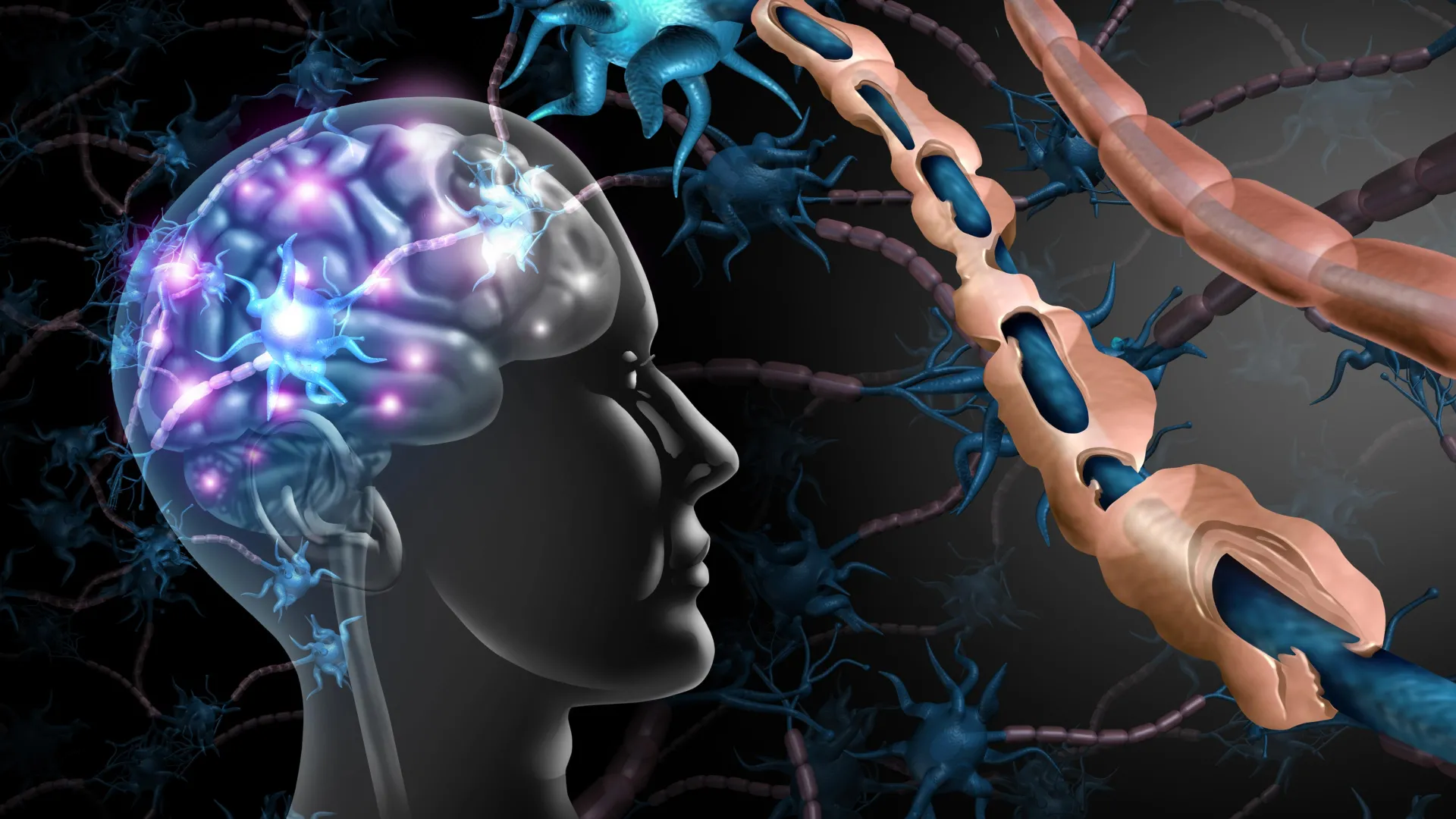
A pesquisa utilizou imagens de RM para examinar os cérebros dos pinípedes e compará-los com a arquitetura neural de espécies que são conhecidas como aprendizes vocais versus aquelas que não são. O que a equipe encontrou foi uma expansão pronunciada e reorganização das regiões do córtex motor em focas e leões-marinhos — especificamente em áreas que, em humanos, estão associadas ao controle voluntário da fala e vocalização.
O Que a Aprendizagem Vocal Requer
Produzir um som aprendido não é simplesmente uma questão de ter uma voz. Requer um caminho neural direto entre o sistema auditivo — que processa sons ouvidos — e as regiões do córtex motor que controlam o aparelho vocal. Em espécies sem aprendizagem vocal, esses caminhos são indiretos ou ausentes. O animal pode produzir seus chamados típicos da espécie, mas não pode modificá-los com base no que ouve, não pode imitar sons novos e não pode expandir seu repertório vocal através da experiência.
Nos aprendizes vocais, a evolução construiu ou fortaleceu conexões diretas entre centros de processamento auditivo e as regiões motoras do cérebro anterior que controlam a vocalização. Este circuito é o que permite a um humano ouvir uma palavra e eventualmente reproduzi-la, ou a um pássaro-zombador adicionar novas canções ao seu repertório após ouvi-las pela primeira vez.
Os cérebros dos pinípedes examinados no novo estudo mostram precisamente esta arquitetura: regiões motoras vocais expandidas com padrões de conectividade consistentes com caminhos áudio-motores diretos. Isto espelha as assinaturas neurais encontradas em pássaros cantores e humanos — espécies separadas por centenas de milhões de anos de evolução.

Evidência Comportamental em Focas
Os achados anatômicos são reforçados por uma rica literatura comportamental sobre pinípedes. Hoover, uma foca-do-porto que viveu no New England Aquarium e morreu em 1985, ficou famosa por produzir espontaneamente frases em inglês inteligíveis — incluindo seu próprio nome e a saudação hello there — que parecia ter aprendido de seus cuidadores humanos. Suas vocalizações não foram resultado de treinamento; emergiram através de exposição e imitação.
Leões-marinhos também demonstraram imitação de sons em ambientes laboratoriais. Em experimentos documentados, leões-marinhos individuais foram treinados para reproduzir sons novos tocados para eles por áudio — uma façanha que aprendizes não-vocais não conseguem realizar independentemente de quantos ensaios recebem. Os animais modificaram suas vocalizações para corresponder aos alvos, ajustaram tom e duração, e generalizaram a capacidade de imitação para sons novos que não tinham ouvido antes.
Essas capacidades comportamentais agora têm uma base anatômica clara. A estrutura cerebral suporta o comportamento, e vice-versa.
Por Que a Evolução Convergente É Importante
Um dos aspectos mais convincentes do achado é o que diz sobre as pressões evolutivas que produzem aprendizagem vocal. A característica parece ter evoluído múltiplas vezes, independentemente, em linhagens muito diferentes. O fato de humanos, pássaros cantores, cetáceos e agora pinípedes chegarem independentemente a arquiteturas neurais similares sugere que a aprendizagem vocal é uma solução para um problema adaptativo particular — comunicar-se flexivelmente, aprender de coespecíficos, ou sinalizar identidade individual — que recorreu em muitos ambientes e planos corporais.
Compreender por que a aprendizagem vocal evolui e em quais contextos tem implicações para pesquisa na evolução da linguagem humana. A linguagem é a expressão mais elaborada da aprendizagem vocal, e compreender sua base neural se beneficia do estudo de espécies que convergiram em sistemas similares através de histórias evolutivas completamente diferentes.

Implicações para a Cognição Animal
Além da neurociência, os achados têm implicações para como pensamos sobre as mentes animais. A aprendizagem vocal requer representar sons na memória, comparar sons ouvidos com alvos motores, e iterativamente ajustar saída — um processo que implica um nível de flexibilidade cognitiva bem acima do instinto simples. Se os pinípedes têm essa capacidade, e as estruturas cerebrais que a suportam, isso convida perguntas sobre o que mais eles podem fazer.
A pesquisa sobre cognição em pinípedes já documentou habilidades impressionantes em memória, discriminação numérica e aprendizagem social. A aprendizagem vocal adiciona outra dimensão ao que já é um quadro de inteligência capaz e flexível em animais que passam suas vidas navegando ambientes sociais complexos e marinhos.
Este artigo é baseado em reportagem da Science (AAAS). Leia o artigo original.
Originally published on science.org