Acelerando a Expansão da Defesa Aérea do Oriente Médio
O Departamento de Estado dos EUA aprovou vendas de emergência de mais de $16 bilhões em sistemas de radar e defesa de mísseis para dois estados do Golfo — Kuwait e Emirados Árabes Unidos — enquanto as tensões na região continuam escalando após a campanha militar EUA-Israel contra o Irã que começou no final de fevereiro. As vendas propostas incluem aproximadamente $8 bilhões em sistemas de radar avançados para o Kuwait e $8,4 bilhões em vários equipamentos de defesa aérea para os EAU.
O uso da designação de emergência — uma disposição que permite ao Departamento de Estado contornar o período padrão de revisão do Congresso para vendas de armas estrangeiras — assinala a urgência que os funcionários estadounidenses atribuem a reforçar as capacidades defensivas dos aliados do Golfo conforme o conflito com o Irã se amplia. Também indica que a administração acredita que a janela normal de notificação de 30 dias para vendas de armas seria insuficiente dada a velocidade dos desenvolvimentos regionais.
O Que Está Sendo Vendido
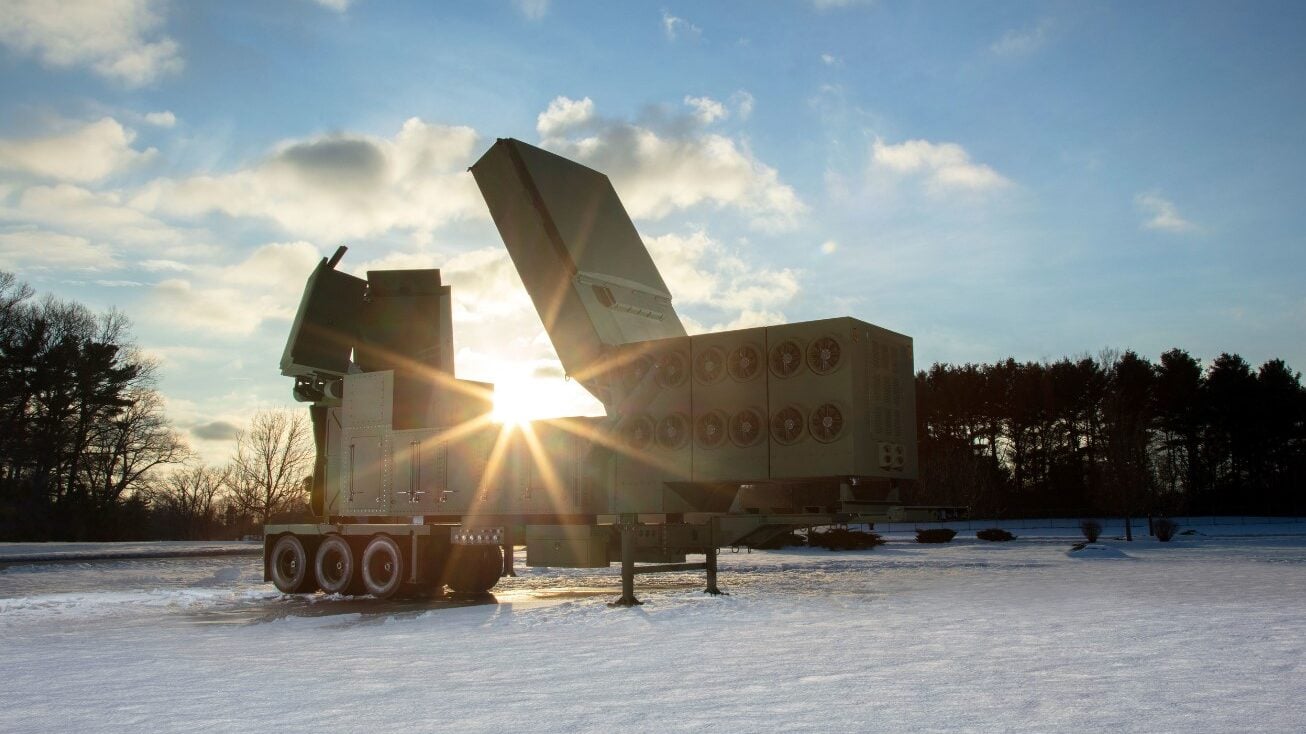
O pacote do Kuwait centra-se em sistemas de radar avançados, provavelmente incluindo componentes do sistema de defesa aérea Patriot e potencialmente o sensor mais novo Lower Tier Air and Missile Defense Sensor — um radar baseado em nitreto de gálio desenvolvido pela Raytheon que oferece capacidades significativamente melhoradas de alcance e rastreamento em comparação com o radar Patriot legado que foi projetado para substituir. O Kuwait operou baterias Patriot por décadas e vem buscando modernizar sua arquitetura de defesa aérea.
O pacote dos EAU abrange uma gama mais ampla de equipamentos de defesa aérea. Os Emirados possuem uma das redes de defesa aérea mais sofisticadas da região, incluindo o sistema Terminal High Altitude Area Defense — um de apenas um pequeno número de países fora dos EUA que opera o interceptor de grande altitude. A nova venda provavelmente inclui munições, atualizações e potencialmente baterias de interceptores adicionais para sustentar operações em um tempo operacional mais alto.
Contexto: O Conflito EUA-Irã
As vendas de armas de emergência ocorrem em contexto de atividade militar significativa. Os EUA e Israel lançaram uma ofensiva conjunta contra o Irã em 28 de fevereiro, visando a infraestrutura nuclear do país, instalações de produção de mísseis e redes de defesa aérea. O Irã respondeu com ondas de ataques com drones e mísseis contra alvos em Israel, Jordânia, Iraque e estados do Golfo que hospedam ativos militares estadounidenses.
A capacidade de defesa aérea do Irã — aumentada por anos de transferência de tecnologia russa e chinesa — provou ser mais capaz do que alguns analistas ocidentais anteciparam, sublinhando a urgência de garantir que os parceiros do Golfo possam se proteger contra ataques de retaliação. A escala das compras de emergência assinala uma mudança estratégica significativa nos cálculos do Kuwait e dos EAU em direção à coalizão liderada pelos EUA — uma mudança com implicações regionais de longo prazo independentemente de como o conflito atual se resolve.
Dimensões Congressionais e Diplomáticas
A designação de emergência limita a supervisão do Congresso das vendas, mas não a elimina. Membros dos comitês de relações exteriores e serviços armados da Câmara e do Senado receberão notificação e podem tentar bloquear as vendas através de uma resolução conjunta de desaprovação, embora seja improvável que a administração atual enfrente resistência significativa dada o apoio bipartidário para parcerias de segurança do Golfo.
As aprovações chegam enquanto a despesa de defesa dos EUA deverá aumentar significativamente, com o controlador do Pentágono sinalizando um possível pedido de orçamento de defesa de $1,5 trilhão no curto prazo. As vendas do Golfo reforçam que o conflito atual está remodelando as prioridades de defesa estadounidenses e parcerias em todo o Oriente Médio em um ritmo não visto desde o pós-invasão do Iraque de 2003.
Este artigo é baseado em reportagem do Breaking Defense. Leia o artigo original.
Originally published on breakingdefense.com