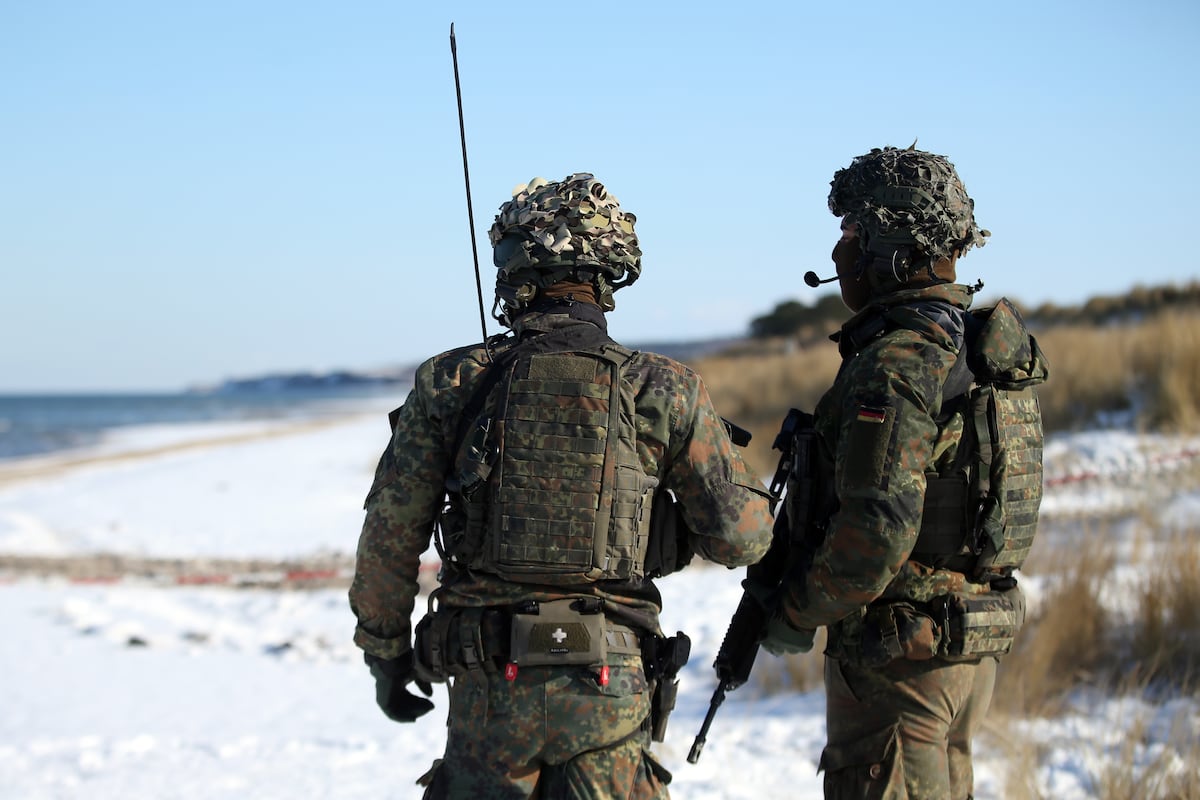
A Alemanha apresenta uma nova estratégia militar
A Alemanha revelou um pacote de documentos estratégicos destinado a reformular o planejamento da Bundeswehr para as próximas duas décadas, segundo a Defense News. O pacote inclui a primeira estratégia militar autônoma da Alemanha, um novo perfil de capacidades, um plano de crescimento de pessoal e uma estratégia de reserva redesenhada.
O ministro da Defesa, Boris Pistorius, apresentou os documentos como resposta a um ambiente de segurança alterado. A estratégia, intitulada “Responsabilidade pela Europa”, identifica a Rússia como a principal ameaça e estabelece cenários para possíveis ataques ao território da OTAN, embora as avaliações detalhadas permaneçam classificadas.
De contagem de equipamentos para efeitos militares
Uma das mudanças de planejamento mais importantes é conceitual. A Bundeswehr deixará de lado cotas rígidas de equipamentos, como números fixos de tanques, aeronaves ou navios, e passará a um modelo baseado em efeitos. Pistorius formulou a questão em termos de quais efeitos militares a Alemanha precisa ser capaz de produzir, e não simplesmente de quantas unidades possui.
O texto original identifica ataque de precisão de longo alcance, defesa aérea contra mísseis hipersônicos e capacidades de drones como áreas prioritárias. Pistorius também disse que a Alemanha está, na prática, começando do zero em capacidade de ataque de longo alcance.
Uma força muito maior
O plano de pessoal é ambicioso. A Alemanha pretende ampliar o número de soldados da ativa de 185.420 hoje para 260.000 até meados da década de 2030. A reserva cresceria de cerca de 60.000 reservistas designados para pelo menos 200.000, criando um total combinado de 460.000 tropas prontas para o combate.
- A expansão está planejada em três fases até 2039 e além.
- Segundo o vice-inspetor-geral das forças armadas, o recrutamento está atualmente 10% acima do ritmo do ano passado.
- O serviço militar obrigatório está incorporado à nova lei do serviço militar como recurso caso as metas de recrutamento não sejam atingidas.
A reformulação reflete a tentativa da Alemanha de se tornar um pilar militar central da defesa europeia. Ela também mostra como a guerra da Rússia na Ucrânia continua a remodelar o planejamento de forças da OTAN, as prioridades de aquisição e as premissas de dissuasão em todo o continente.
Este artigo é baseado na cobertura da Defense News. Leia o artigo original.
Originally published on defensenews.com