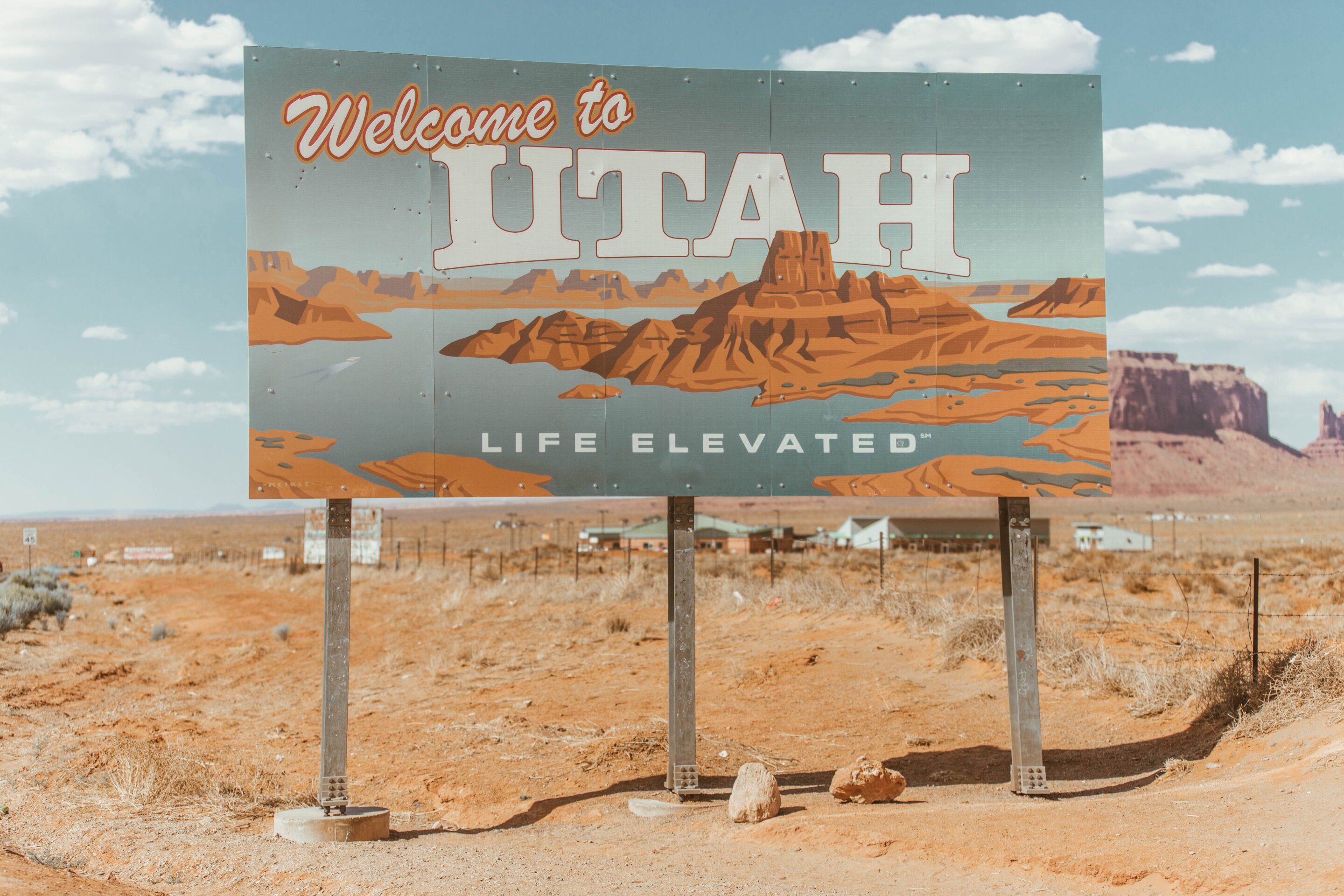
Um experimento de política estadual está produzindo resultados mais claros
Utah continua sendo o único estado dos EUA com um limite legal de concentração de álcool no sangue de 0,05 g/dL para motoristas, e uma nova análise sugere que essa mudança trouxe benefícios mensuráveis para a segurança pública. Segundo o estudo relatado pelo Medical Xpress, as mortes em acidentes relacionados ao álcool caíram de forma significativamente maior em Utah do que em seus seis estados contíguos depois que a lei entrou em vigor.
A descoberta importa porque o debate nacional sobre política de direção sob efeito de álcool muitas vezes foi moldado pela cautela em alterar o padrão de 0,08, vigente há muito tempo. A lei de Utah, aprovada em 2017 e implementada em 2018, criou uma oportunidade rara para observar o que acontece quando um estado reduz o limite enquanto os vizinhos não fazem o mesmo. Esse tipo de comparação não encerra todas as discussões, mas produz evidências mais concretas do que a teoria sozinha.
O estudo, publicado no American Journal of Preventive Medicine, utilizou dados nacionais de colisões fatais do Fatality Analysis Reporting System e comparou resultados de acidentes em nível de condado em Utah com Arizona, Colorado, Idaho, Nevada, Novo México e Wyoming entre 2013 e 2023. Em sua análise de diferenças em diferenças, os pesquisadores se concentraram em acidentes de 2016 e 2019 para avaliar a mudança antes e depois da lei.
O resultado central foi específico, não genérico
Um dos pontos mais fortes da análise é que ela não buscou simplesmente qualquer queda nas mortes e atribuiu o resultado à política. Os investigadores concluíram que Utah registrou quedas maiores nas mortes por acidentes relacionados ao álcool, enquanto as mortes não relacionadas ao álcool não mostraram o mesmo padrão associado à política. Essa distinção importa. Ela sugere que o efeito acompanhou o mecanismo que a lei pretendia influenciar, e não refletiu uma mudança ampla e não relacionada na segurança viária.
O contexto mais amplo torna o resultado ainda mais relevante. O Medical Xpress observa que dirigir sob efeito de álcool continua sendo um dos principais fatores de mortes no trânsito nos Estados Unidos. Em 2023, 12.429 mortes em acidentes envolveram pelo menos um motorista alcoolizado. Ao longo da década de 2014 a 2023, os acidentes por direção sob efeito de álcool responderam por 28% a 32% de todas as mortes anuais no trânsito no país.
Frente a esse cenário, até pequenas melhorias percentuais importam. Pesquisas internacionais já haviam sugerido que reduzir o limite legal de BAC para 0,05 pode diminuir em 11% ou mais as lesões e mortes por acidentes relacionados ao álcool. A análise de Utah oferece ao debate nos EUA um exemplo em nível estadual, ancorado em padrões de direção, estruturas de fiscalização e condições políticas domésticas.

Por que o limite de 0,05 importa
O argumento a favor de um limite de BAC mais baixo não é que todo motorista com 0,05 esteja altamente intoxicado. É que a incapacidade e o risco de colisão começam a aumentar antes de 0,08, e os limites legais moldam tanto o comportamento quanto a fiscalização. Um limite menor pode influenciar como os motoristas avaliam mais uma bebida, como restaurantes e bares comunicam opções seguras de retorno para casa e como as autoridades enquadram a dissuasão.
Críticos de limites mais baixos costumam levantar preocupações sobre excesso de criminalização ou efeito real limitado. É por isso que pesquisas baseadas em resultados são tão importantes. Se as mortes ligadas ao álcool caem mais acentuadamente após a introdução de um limite mais baixo, o argumento a favor da política se torna mais difícil de descartar como meramente simbólico. O estudo de Utah não afirma perfeição, mas aponta para um benefício mensurável de segurança na categoria de resultados que mais importa aos formuladores de políticas.
As evidências sozinhas não decidirão a adoção
Mesmo descobertas fortes em nível estadual não se transformam automaticamente em mudança de política nacional. Cada estado tem seu próprio clima político, capacidade de fiscalização e cultura de transporte. As características sociais e demográficas de Utah diferem das de muitos outros estados, e legisladores em outros lugares podem argumentar que os resultados não se repetiriam integralmente.
Ainda assim, a importância da política é evidente. במשך anos, Utah serviu como o principal caso de teste nos EUA para saber se 0,05 poderia funcionar. Esta análise fortalece o argumento de que ele fez mais do que funcionar no papel. Parece ter se associado a uma queda mais acentuada nas mortes fatais relacionadas ao álcool do que a observada nos estados vizinhos no mesmo período.
Isso provavelmente aumentará a pressão sobre outros estados para reconsiderar se 0,08 ainda é o limite correto. Defensores da saúde pública e da segurança viária agora têm evidências atualizadas de uma publicação revisada por pares, além da literatura internacional. Os opositores ainda questionarão a implementação, a equidade e a transferibilidade. Mas o ônus da prova foi deslocado, ao menos em parte. Reduzir o limite já não pode ser discutido apenas como uma proposta abstrata com efeitos desconhecidos.

Uma lição prática em prevenção
O resultado de Utah também lembra que a política de prevenção muitas vezes funciona mudando as margens, em vez de eliminar totalmente o dano. Nenhuma lei de BAC pode impedir todas as mortes por direção sob efeito de álcool. O que ela pode fazer é levar uma população a um comportamento mais seguro com frequência suficiente para alterar as estatísticas de mortalidade ao longo do tempo. O fato de as mortes não relacionadas ao álcool não mostrarem o mesmo padrão reforça a interpretação de que essa política moveu o indicador pretendido.
Em saúde pública, isso é um progresso significativo. Uma lei aprovada em 2017 e aplicada a partir de 2018 agora tem um caminho de evidências mais longo atrás de si. A análise mais recente sugere que esse caminho aponta na mesma direção que muitos especialistas em segurança esperavam: níveis permitidos mais baixos de álcool ao volante podem salvar vidas.
Se outros estados seguirão Utah continua sendo uma questão política. Se o experimento de Utah produziu evidências úteis, isso já não está em grande dúvida.
Este artigo é baseado na reportagem do Medical Xpress. Leia o artigo original.
Originally published on medicalxpress.com


