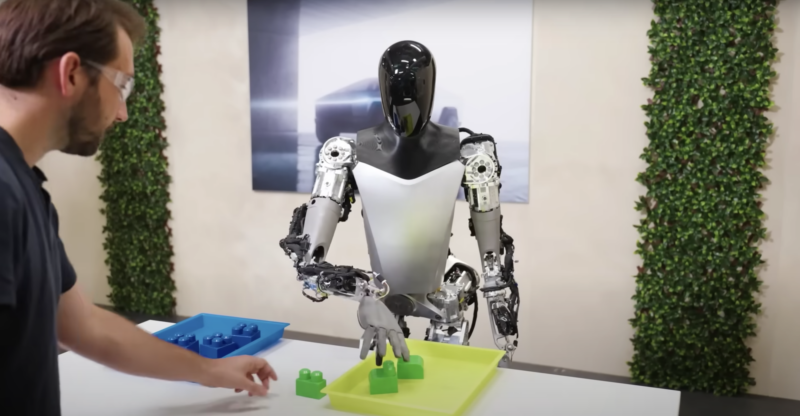
Tesla desloca o planejamento fabril para robôs humanoides
A Tesla delineou um novo e agressivo plano de produção para seu programa de robô humanoide Optimus, segundo a linguagem citada do seu mais recente relatório trimestral. Os pontos-chave são incomumente concretos para um esforço de robótica ainda em desenvolvimento: os preparativos para a primeira fábrica de Optimus em larga escala começarão em breve no segundo trimestre de 2026; a linha de primeira geração foi projetada para 1 milhão de robôs por ano; essa linha substituirá as linhas do Model S e do Model X em Fremont; e a Gigafactory Texas está sendo preparada para uma linha de segunda geração projetada para uma capacidade anual de longo prazo de 10 milhões de robôs.
Esses números são substanciais o bastante para tornar o anúncio relevante mesmo antes de as questões mais amplas do mercado serem respondidas. Passar de demonstrações experimentais de robótica para o planejamento de fábricas em escala de milhões marca uma escalada estratégica. Também sugere que a Tesla quer que investidores, fornecedores e concorrentes vejam o Optimus não como um projeto paralelo, mas como um pilar de manufatura do futuro.
O que o plano de produção diz sobre as prioridades da Tesla
O sinal mais imediato é a alocação de fábrica. A linguagem do relatório trimestral citada pela CleanTechnica afirma que a linha de primeira geração do Optimus substituirá as linhas do Model S e do Model X em Fremont. Isso indica que a Tesla está disposta a reaproveitar capacidade antes associada a veículos premium de baixo volume para sustentar a escala da robótica. Seja qual for o cronograma comercial exato dessa mudança, a mensagem é clara: o espaço físico de produção antes ligado aos veículos elétricos de destaque da marca está sendo redirecionado para robôs humanoides.
Isso importa porque espaço fabril é um compromisso duro. Empresas podem falar amplamente sobre plataformas futuras por anos, mas substituições de linha e preparação de plantas carregam outro nível de seriedade. Mesmo que as capacidades planejadas sejam aspiracionais ou ocorram em etapas, a Tesla está sinalizando que o Optimus pertence à mesma conversa estratégica que seus grandes programas de veículos.

A escala é extraordinária
Uma linha de primeira geração projetada para 1 milhão de robôs por ano já é um número enorme para uma categoria de produto ainda não lançada. O número de longo prazo no Texas é ainda maior. Uma linha de segunda geração projetada para 10 milhões de robôs por ano sugere que a Tesla está pensando em uma escala mais próxima da eletrônica de consumo do que da robótica industrial convencional. Isso não prova que a demanda exista nesses níveis, mas mostra que a empresa está enquadrando o Optimus como algo destinado à produção em massa, e não a uma implantação empresarial sob medida.
Para os setores de tecnologia e energia, esse enquadramento é importante por si só. A identidade da Tesla há muito se apoia em manufatura verticalmente integrada, eletrônica de potência, baterias e veículos definidos por software. Aplicar essa mesma mentalidade de fabricação de alto volume à robótica pode influenciar as expectativas dos investidores em setores adjacentes, da automação industrial ao hardware de IA e ao planejamento de cadeias de suprimentos.
A demanda segue sendo a variável em aberto
A matéria da CleanTechnica gira em torno de uma pergunta que muitos observadores terão: quem comprará robôs nessa escala? O texto-fonte fornecido não traz uma resposta direta da Tesla. Ele observa que os robôs da empresa ainda não demonstraram capacidades amplas e bem estabelecidas em público e que o uso inicial deve ocorrer primeiro nas fábricas da Tesla e em outros ambientes industriais antes de qualquer impulso posterior ao consumidor. A mesma fonte também levanta a dúvida sobre se as empresas gastariam dezenas de milhares de dólares por unidade em sistemas humanoides com limitações relevantes.
Esse ceticismo faz parte da história porque destaca a lacuna entre a ambição de produção anunciada e a prova visível de mercado. Escalar uma categoria de produto exige mais do que um plano de fábrica. Exige ajuste de tarefas, economia, confiabilidade de implantação e uma base de clientes disposta a absorver a oferta. Nada disso está estabelecido apenas pelo trecho do relatório trimestral.
Ainda assim, seria um erro descartar o anúncio só porque o lado da demanda continua incerto. Grandes mudanças de plataforma muitas vezes começam com apostas do lado da oferta antes que os casos de uso se cristalizem. A Tesla parece estar fazendo exatamente esse tipo de aposta.
Por que isso importa além da Tesla
Se ao menos parte dessa rota se materializar, os efeitos podem se estender muito além de uma única empresa. Fornecedores terão de considerar volumes de componentes para atuadores, sensores, computação embarcada e sistemas de energia. Concorrentes em robótica enfrentarão novas expectativas de velocidade e escala de fabricação. Debates sobre trabalho, automação e política industrial se intensificariam se sistemas humanoides passassem de protótipos fascinantes a linhas de produção repetíveis.
Há também uma dimensão cultural. A Tesla está posicionando robôs humanoides não como curiosidades remotas de laboratório, mas como produtos destinados primeiro às fábricas e potencialmente a uma implantação muito mais ampla depois. Isso pode mudar a forma como os mercados falam sobre adoção de robótica, mesmo que a tração comercial venha lentamente.
O teste real começa depois do anúncio
Por enquanto, o anúncio estabelece intenção, não validação. Os fatos mais bem sustentados são os planos de produção e as referências às plantas de Fremont e do Texas. A área mais fraca continua sendo a certeza do mercado final. Essa tensão é justamente o que torna a história significativa. A Tesla está tentando industrializar uma categoria que ainda não provou sua viabilidade em escala comparável.
Os próximos marcos vão decidir se isso será lembrado como um ponto de inflexão ou como outra projeção ambiciosa de fabricação. De qualquer forma, a empresa agora vinculou planejamento real de fábrica à robótica humanoide, e isso por si só move a conversa adiante. A pergunta já não é se a Tesla quer que o Optimus importe. A pergunta é se o mercado consegue atender à escala que a Tesla diz estar se preparando para construir.
Este artigo é baseado em reportagem da CleanTechnica. Leia o artigo original.
Originally published on cleantechnica.com




