Seattle pausa a construção de novos datacenters
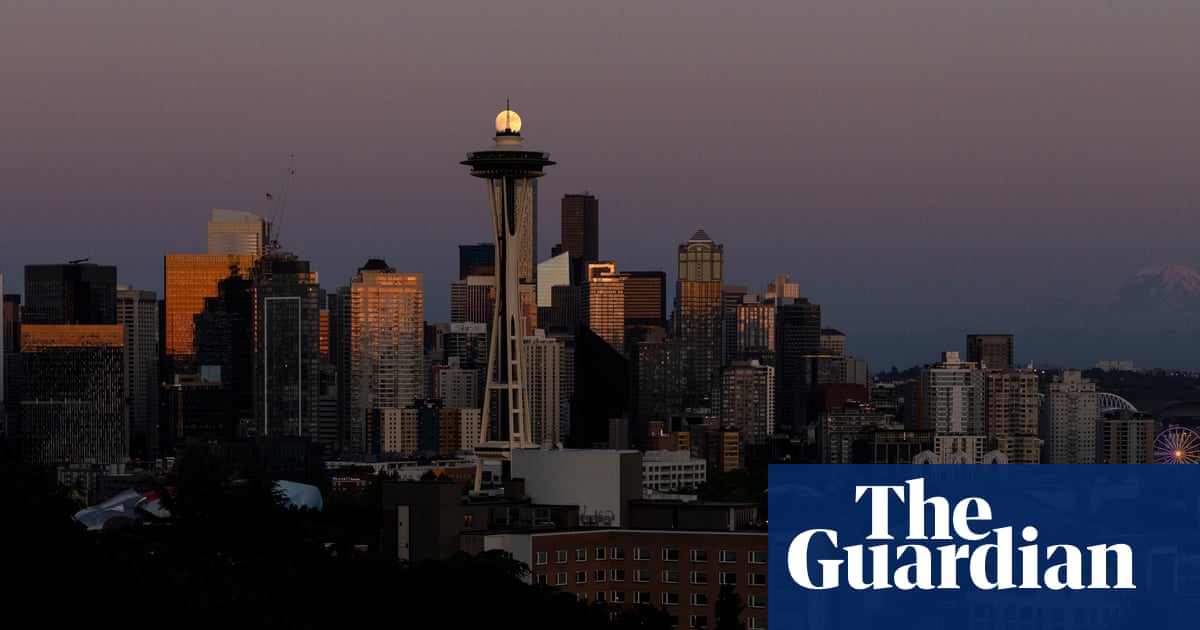
Seattle instituiu uma moratória de um ano sobre a construção de novos datacenters, tornando-se a maior cidade dos EUA a adotar essa medida em meio à crescente reação contra a infraestrutura de IA. Segundo o texto-fonte fornecido pelo The Guardian, o conselho municipal votou por unanimidade pela proibição temporária, enquadrando-a como uma chance de criar regras para um setor que pode exigir grandes quantidades de eletricidade e de solo urbano.
A decisão é significativa não apenas pelo tamanho de Seattle, mas pelo que a cidade representa na economia tecnológica dos EUA. A região metropolitana abriga Amazon e Microsoft, e a moratória ocorre num momento em que a expansão da IA está impulsionando uma nova onda de demanda por datacenters em todo o país.
Por que as lideranças municipais agiram
A fonte diz que os formuladores de política descreveram a pausa como uma oportunidade para determinar se os datacenters são um bom uso do solo urbano e se os desenvolvedores deveriam enfrentar obrigações adicionais, incluindo possíveis investimentos em moradia e transporte. A prefeita de Seattle, Katie Wilson, disse que a moratória daria aos funcionários da cidade tempo para considerar essas questões diretamente, em vez de continuar aprovando projetos sob regras que não foram concebidas para a infraestrutura da era da IA.
A medida veio após um relatório de abril do Seattle Times segundo o qual cinco datacenters propostos poderiam consumir até um terço da demanda atual de eletricidade da cidade. Essa estimativa parece ter acelerado a política. Quando os datacenters deixam de ser vistos como infraestrutura abstrata de nuvem e passam a ser entendidos como instalações com consequências diretas para a pressão sobre a rede e para o planejamento local, fica muito mais difícil para os governos municipais tratá-los como desenvolvimento rotineiro.

Uma disputa sobre infraestrutura de IA, não apenas uma questão de zoneamento
Os datacenters costumavam atrair relativamente pouca atenção pública em comparação com fábricas, rodovias ou usinas elétricas. Isso está mudando. À medida que mais instalações são construídas para atender cargas de trabalho de IA, elas passam a ser cada vez mais examinadas por seu uso de energia, sua ocupação de solo e seus efeitos econômicos indiretos. A decisão de Seattle reflete essa mudança.
O texto-fonte observa que legisladores locais e ativistas levantaram preocupações sobre riscos ambientais e aumento das contas de luz. Ele também aponta para uma coalizão política mais ampla, que incluía grupos climáticos e trabalhadores de tecnologia. Segundo Ben Jones, da 350 Seattle, muitos trabalhadores se organizaram contra os datacenters em parte porque a IA passou a ser associada à perda de empregos, enquanto grandes empregadores avançavam com grandes novos gastos em IA.
Pressão de trabalhadores e moradores
Uma das partes mais reveladoras da história de Seattle é quem pressionou por ação. O The Guardian informa que grupos como o Amazon Employees for Climate Justice se reuniram com formuladores de política e ajudaram a impulsionar uma campanha de cartas que enviou quase 100 mil e-mails a legisladores locais. A prefeita Wilson descreveu a pressão como um apoio a uma ação que as lideranças municipais já queriam tomar.
Isso importa porque sugere que a resistência à infraestrutura de IA não vem mais apenas de moradores próximos ou de defensores ambientais tradicionais. Ela também está surgindo de dentro da própria força de trabalho de tecnologia. Em lugares onde a economia local está fortemente ligada a empresas de nuvem e de IA, esse tipo de oposição interna tem peso político.

O que a moratória faz e o que não faz
A medida é temporária, não permanente. Ela pausa a construção de novos datacenters por um ano, enquanto as regulamentações são elaboradas. Uma emenda citada na fonte permite que datacenters já existentes em Seattle solicitem ampliações que exijam até 20 megawatts, portanto a ação não é um congelamento total de toda a atividade de infraestrutura já existente.
Mesmo assim, o simbolismo é forte. Seattle está dizendo, na prática, que a infraestrutura de IA não pode mais contar com aprovação automática nas grandes cidades, especialmente onde os sistemas elétricos já estão sob pressão e onde moradia, uso do solo e benefícios públicos são politicamente sensíveis.
Um modelo que outras cidades vão observar
A maior relevância da moratória é que ela transforma o governo local em um guardião mais ativo da expansão da IA. Líderes estaduais e federais costumam falar de IA em termos de competitividade, investimento e inovação. As cidades precisam lidar com a pegada física. Elas veem as subestações, os conflitos de uso do solo, as projeções de demanda das concessionárias e a política dos bairros.
A ação de Seattle não encerra o debate nacional sobre quanto infraestrutura de IA deve ser construída ou onde. Mas estabelece um precedente importante: uma grande cidade tecnológica está disposta a parar e perguntar se o boom dos datacenters está alinhado com as prioridades locais. À medida que a adoção de IA se expande, essa pergunta provavelmente surgirá em muitos outros lugares.

O recado imediato
Por enquanto, o resultado prático é claro. Novos projetos de datacenter em Seattle enfrentam uma pausa de um ano enquanto a cidade escreve as regras para o que vem a seguir. Para a indústria de IA, a mensagem é igualmente clara: o crescimento da infraestrutura já não é apenas um problema de capital e engenharia. Agora é também um problema político local.
Este artigo é baseado na cobertura do The Guardian. Leia o artigo original.
Originally published on theguardian.com