SpaceX’s public-market debut could come with unusually strict rules
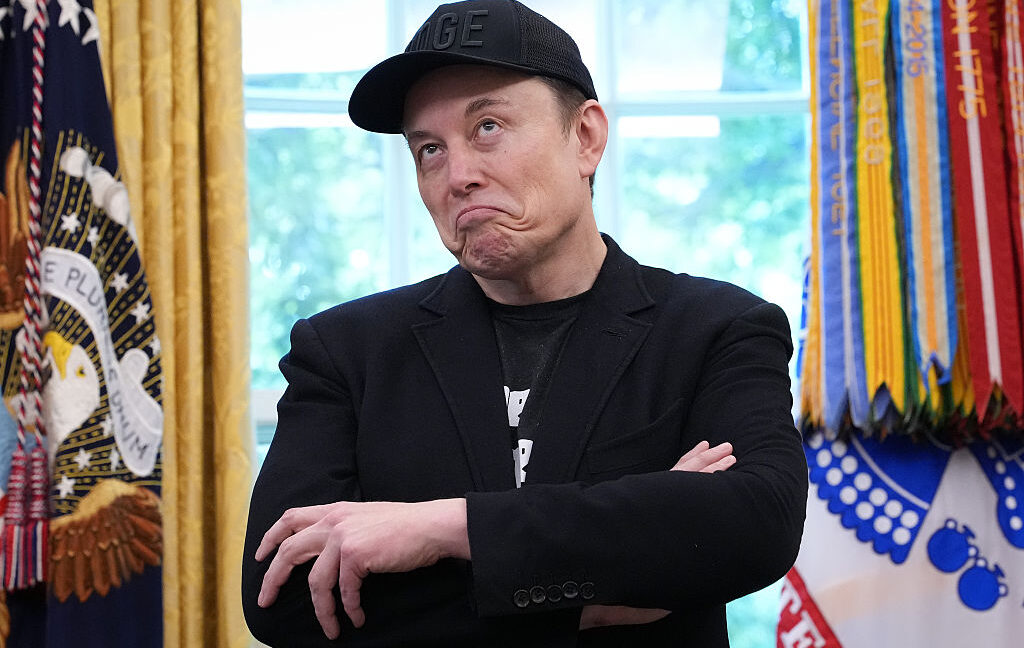
SpaceX’s long-anticipated initial public offering is taking shape as more than a financial milestone. According to a report cited by Ars Technica, the company’s IPO registration materials would give Elon Musk sweeping control over the company after it goes public while sharply limiting the ability of investors to challenge management.
The reported structure combines several governance tools that are already familiar in parts of corporate America, but in this case they are described as operating together in especially forceful ways. Reuters, whose reporting Ars summarized, said the filing uses supervoting shares, mandatory arbitration, tougher limits on shareholder proposals, and Texas corporate law to preserve insider control and reduce typical shareholder protections.
The result, if implemented as reported, would create a public company in which ordinary investors gain exposure to SpaceX’s growth while accepting unusually narrow options for contesting corporate decisions.
How control would be maintained
The central mechanism is voting power. Ars Technica reported that Musk currently owns 42.5 percent of SpaceX’s equity and 83.8 percent of the voting control, and that he would retain more than 50 percent of the voting power after the company goes public. That would keep SpaceX in the category of a controlled company under securities rules.
Controlled-company status matters because it can reduce the need to follow some governance norms expected elsewhere in public markets. Reuters reported that SpaceX would not have to meet the usual requirement for independent directors to make up a majority of the nominating and compensation committees. Musk is also slated to serve as both chief executive and board chair, concentrating executive and board authority in the same person.
The filing excerpts described by Reuters go further still. Musk would reportedly have the power to elect, remove, or fill vacancies on the board, as well as control other issues requiring shareholder approval, including merger and acquisition transactions. That level of authority would make the company’s governance highly centralized even by the standards of founder-led public firms.
Limits on lawsuits and shareholder action
The other major feature of the reported IPO structure is its treatment of investor recourse. Ars Technica said Reuters found that SpaceX plans to impose a mandatory arbitration clause and make clear that anyone buying shares irrevocably waives the right to pursue a jury trial. Shareholders would also be barred from bringing class actions against the company, its directors, officers, controlling shareholders, or banks tied to the IPO.
Those restrictions could significantly alter the normal relationship between investors and management. Public-market shareholders often rely on litigation risk, class-action mechanisms, and formal governance proposals as tools for accountability. If those channels are narrowed at the point of purchase, investors would enter the stock with less leverage than they might expect from a conventional public offering.
Reuters tied that structure in part to a September 2025 policy statement from the Securities and Exchange Commission saying that mandatory arbitration provisions are not inconsistent with federal securities laws. That policy backdrop may help explain why SpaceX believes it can pursue a more aggressive governance design than companies would previously have attempted.
Why the structure is drawing attention
The concern raised by the report is not simply that Musk will remain influential after the IPO. Many founder-led companies use dual-class shares or similar tools to protect management control. What stands out here is the breadth of the reported restrictions and the degree to which they appear designed to eliminate or weaken multiple checks at once.
Reuters characterized the arrangement as one that would erode standard shareholder protections in unprecedented ways. Ars highlighted one especially blunt implication from that reporting: the person who can fire Musk would effectively be Musk himself. If that assessment is accurate, the governance design would insulate SpaceX leadership from a wide range of investor pressure that might otherwise emerge in a public listing.
The reported structure may also affect how investors think about the tradeoff between access and rights. SpaceX is one of the most closely watched private companies in the world, and demand for public shares could be strong regardless of governance concerns. But the filing terms described so far suggest that participation may require accepting a much more limited role than investors have in many other public companies.

A public offering with private-company instincts
At a broader level, the reported IPO terms reflect a continuing shift in how major technology and industrial firms approach the public markets. Rather than using an IPO to distribute governance power more widely, some companies now treat public listing primarily as a capital and liquidity event while retaining as much internal control as possible.
SpaceX appears poised to push that model further. The company would gain access to public investors while preserving founder dominance through voting structure, board control, and legal constraints on shareholder challenges. Whether markets accept those terms will become an important test of how much governance risk investors are willing to overlook in exchange for exposure to a company with exceptional strategic and commercial profile.
For now, the reported filing has reframed the coming IPO. The big question is no longer just when SpaceX will list. It is what kind of public company it intends to be once it does.
This article is based on reporting by Ars Technica. Read the original article.
Originally published on arstechnica.com