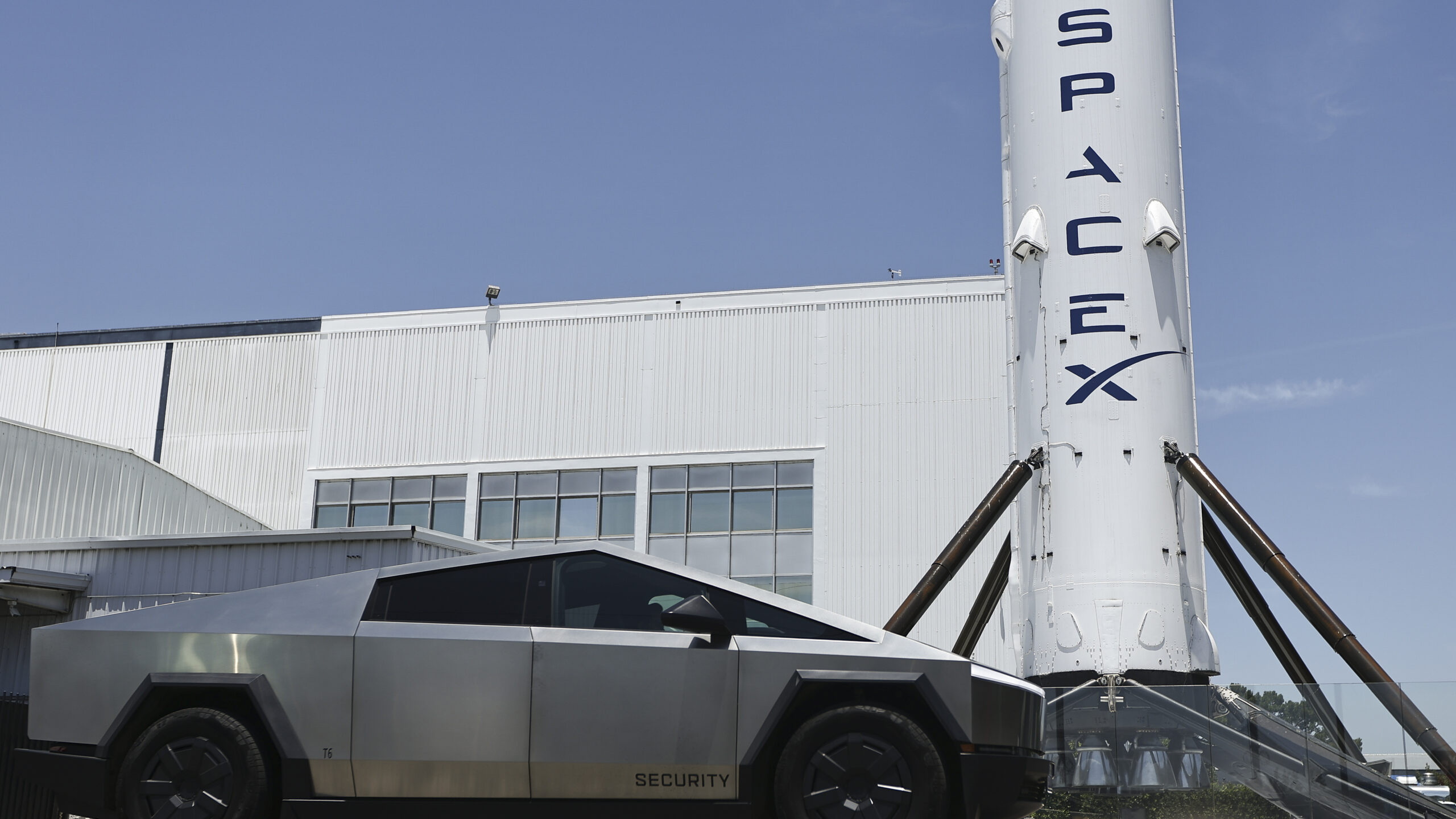
S&P keeps its rules in place
S&P Dow Jones Indices has declined to waive or relax several eligibility rules that would have created a faster path for SpaceX to enter the S&P 500 after its expected public listing. The June 4 decision means the company will not receive accelerated access to the enormous pools of passive investment capital that automatically buy shares in S&P 500 constituents.
The consultation had broader implications than SpaceX alone. According to the source material, an exception for SpaceX could also have opened the door for major AI firms such as OpenAI and Anthropic to pursue similar treatment after future IPOs. By rejecting the proposed changes, S&P effectively signaled that even the most prominent new listings will still have to satisfy the index’s existing standards.
What SpaceX wanted changed
The proposed rule changes centered on three core requirements. One was the seasoning period for new IPOs, which was under consideration for a reduction from 12 months to six months. Another was the investable weight factor requirement, which normally calls for at least 10 percent of a company’s shares to be publicly available. The third involved profitability, with the consultation weighing whether MegaCap companies should be allowed into the index without meeting the usual requirement of profitability in the latest quarter and across the previous four quarters.
Those changes would have aligned with SpaceX’s apparent plans. Ars Technica reported that SpaceX intended to offer only about 3 percent of its shares to public investors and that the company is currently unprofitable while also making large bets on AI and orbital data center plans. Without waived rules, those conditions make rapid inclusion in the S&P 500 much harder.
Why index access matters
Entry into the S&P 500 is not just symbolic. The index is tracked by a large ecosystem of passive funds and retirement products. Inclusion can create automatic demand for a company’s shares, supporting liquidity and often adding a powerful secondary boost after an IPO. Losing that shortcut does not stop a listing, but it removes a major tailwind.
For SpaceX, the decision means a more conventional path: list first, meet the rules later, and wait for eligibility on standard terms. For investors, it limits immediate exposure of retirement and passive-fund money to a company that, according to the article, combines a small public float with ongoing unprofitability and high-risk expansion themes.
The decision also matters because of what it says about index governance. S&P had explicitly examined whether firms with unprecedented market capitalizations should receive special treatment. Rejecting that idea suggests the index provider was unwilling to let sheer scale override criteria designed to ensure liquidity, tradability, and a basic earnings track record.
Implications for AI IPOs
The ruling lands at a sensitive time for large AI companies. The article argues that leading AI firms have also been confronting the cost of funding and building expensive data centers while passing more usage-based costs to customers. If SpaceX had won an exception, that precedent might have been attractive to companies hoping to go public before they could show a longer record of profitability or a broader public float.
Instead, the decision narrows that route. OpenAI and Anthropic are specifically named in the source as companies that could have benefited from a looser standard. With the rulebook unchanged, any future push for rapid index inclusion now faces a higher bar.
A message beyond one company
The market will still judge SpaceX on its eventual IPO terms, business outlook, and investor appetite. But S&P’s decision adds an important constraint: the prestige and automatic flows associated with the S&P 500 are not available on demand, even for a company with unusually high visibility.
That message extends beyond space. It reaches into the economics of AI, private mega-capitalization startups, and the increasing pressure on public-market gatekeepers to adapt to companies that arrive at IPO with huge valuations but unconventional structures. For now, S&P has chosen continuity over exception.
- S&P considered but rejected faster or looser eligibility for MegaCap IPOs.
- The decision blocks a quick path for SpaceX into the S&P 500 after listing.
- The same outcome also closes a potential shortcut for unprofitable AI firms.
- Existing rules on seasoning, public float, and profitability remain in place.
In practical terms, the decision preserves a familiar principle: access to the most influential stock index in the US still depends on meeting the standard criteria, not on the size of the headlines surrounding a listing.
This article is based on reporting by Ars Technica. Read the original article.
Originally published on arstechnica.com


