First-of-Its-Kind Deployment
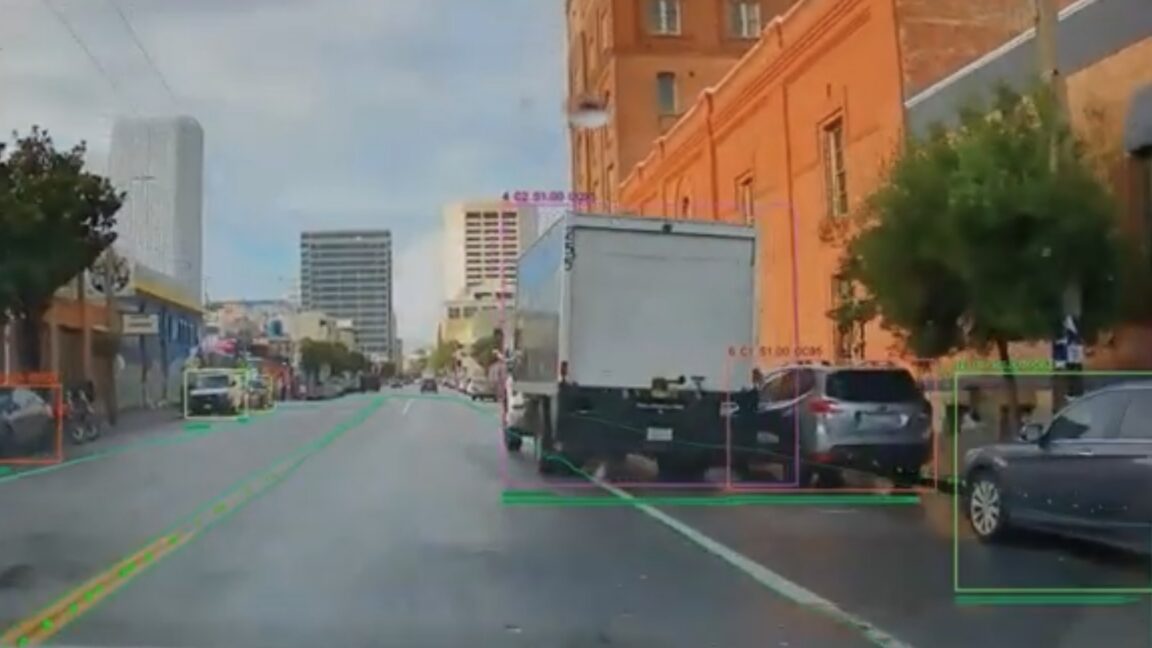
Santa Monica is set to become the first city in the United States where municipal parking enforcement vehicles use AI-powered cameras to automatically detect bike lane violations. Beginning in April, the California beach town will equip seven Santa Monica Police Department parking enforcement vehicles with Hayden AI's scanning technology, extending the system beyond its current deployment on city buses.
The technology uses advanced camera systems and computer vision to identify potential violations and capture images. Critically, all flagged violations are reviewed by human enforcement officers before any citations are issued, maintaining a human-in-the-loop safeguard.
Pilot Program Revealed Widespread Violations
The expansion follows a compelling six-week pilot program in spring 2024 that exposed the scale of the problem. Between May 6 and June 19, just two SMPD vehicles equipped with cameras recorded 1,679 violations, with most occurring along north-south streets in downtown Santa Monica. The data made a clear case for broader deployment.
"Installing Hayden AI technology on parking enforcement vehicles means that Santa Monica can protect every bike lane in the city with automated enforcement, not just bike lanes along bus routes," said Marty Beard, CEO of Hayden AI. The city approved an additional $944,000 to its Hayden AI contract to fund the expansion.

A Growing National Network
Hayden AI's bus-mounted enforcement cameras are already operating in Oakland, Sacramento, New York City, and Washington, D.C. By September 2025, the company had installed 2,000 systems on buses worldwide. The Santa Monica deployment represents a significant expansion of the technology's use case, moving from transit vehicles to the broader municipal fleet.
The safety argument is straightforward. When drivers illegally park in bike lanes, cyclists are forced into vehicle traffic, dramatically increasing the risk of crashes. Automated enforcement ensures consistent coverage that human parking officers alone cannot provide.
Privacy Concerns and the Road Ahead
Not everyone is enthusiastic about the expansion. Civil liberties organizations and privacy advocates have raised pointed questions about the implications of AI-powered surveillance cameras blanketing city streets. Critics worry that infrastructure built for ticketing bike lane violations could be repurposed for broader surveillance purposes, a concern that intensifies as more cities consider similar deployments.
Despite these concerns, the program represents a growing trend of cities turning to automated enforcement technology to address persistent traffic safety challenges, particularly for vulnerable road users like cyclists and pedestrians.
This article is based on reporting by Ars Technica. Read the original article.

Originally published on arstechnica.com


