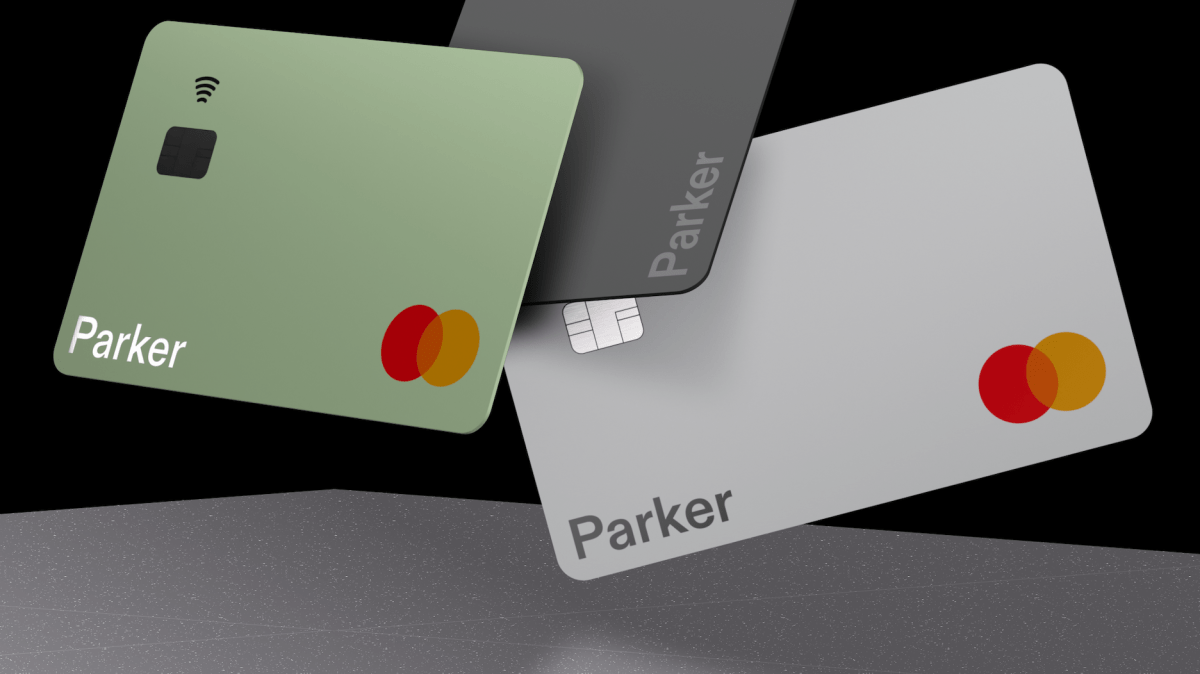
Parker’s shutdown turns a once-promising fintech into a liquidation case
Parker, a startup that marketed corporate credit cards and banking services to e-commerce companies, has filed for Chapter 7 bankruptcy protection, according to a May 7 filing cited in reporting by TechCrunch. The case marks a sharp reversal for a company that emerged from Y Combinator’s winter 2019 cohort, raised significant backing, and positioned itself as a specialist in understanding online merchants’ cash flows.
The collapse is notable not only because of Parker’s funding profile, but because it underscores how fragile some fintech models remain when they sit between small-business customers, banking partners, and venture-backed growth expectations. Parker had presented itself as a modern financial stack for e-commerce founders, arguing that its underwriting approach could better evaluate the rhythms of digital retail than traditional card issuers or banks.
Its website, according to TechCrunch, was still live at the time of publication and continued to highlight more than $200 million in total funding, including a $125 million lending arrangement. But social media posts cited by the outlet indicated that customers had received communication from Parker’s credit card partner, Patriot Bank, confirming a shutdown.
The bankruptcy filing points to a hard stop, not a restructuring
The distinction between a bankruptcy restructuring and a liquidation matters. Parker filed for Chapter 7, which is generally used to wind down a business and distribute remaining assets, rather than Chapter 11, which is more commonly associated with attempts to keep operating while reorganizing debts.
According to the filing details reported by TechCrunch, Parker listed between $50 million and $100 million in assets and liabilities, with between 100 and 199 creditors. Those figures suggest a company of meaningful scale, but not one that found a path to stabilize after its financing and operating model came under pressure.
That makes Parker’s demise more than an isolated startup failure. It is another reminder that in fintech, headline fundraising and brand positioning can mask structural vulnerabilities. A company can appear well-capitalized while still depending on delicate arrangements involving partner banks, lending facilities, customer trust, and continued investor confidence.
When one part of that system fails, the effects can be immediate. For small businesses that used Parker for cards or financial operations, continuity matters more than startup storytelling. An abrupt shutdown can interrupt spending, cash management, and basic financial administration.

Why Parker stood out in a crowded market
Parker entered an already competitive field of corporate card and fintech banking providers. Its pitch centered on e-commerce: a claim that online-first merchants needed financial tools tailored to inventory cycles, advertising spend, and platform-driven revenues. In earlier public statements cited by TechCrunch, co-founder and chief executive Yacine Sibous described the company’s mission as building better financial products for e-commerce founders and increasing the number of financially independent people.
That message fit a broader fintech era in which specialized software-and-finance companies tried to win customers by promising better underwriting through vertical data. Instead of treating every business the same way, these firms argued that they could assess risk more intelligently by focusing on a narrow category of customers.
In principle, that approach still has appeal. E-commerce companies do have distinct financial patterns, and modern data tools can reveal more than conventional application forms. But Parker’s failure suggests that a sharper underwriting thesis alone is not enough to guarantee a durable business. Serving a niche well is different from surviving credit, funding, compliance, and partner risk at scale.
What the shutdown may signal for the fintech sector
TechCrunch also reported that fintech consultant Jason Mikula said Parker had been in acquisition talks and that the collapse of those talks may have helped trigger the shutdown. The outlet said those claims could not be directly confirmed by Parker, which did not immediately respond to a request for comment.
Even without relying on that unverified detail, the public record already shows a familiar pattern. A startup raises heavily, builds a focused brand, depends on third-party banking infrastructure, and then struggles to convert that mix into resilience when conditions tighten. The result is especially painful when the customers are businesses that rely on the product for daily operations rather than optional experimentation.
The Parker case may also renew scrutiny of how embedded banking programs are overseen. When a fintech fronts the customer relationship but a bank partner supports the underlying product, accountability can become blurred during failures. Customers often discover these distinctions only when something breaks.
For the broader startup market, Parker’s bankruptcy is a warning against equating sector buzz with business durability. Fintech remains capable of producing real improvements in access, speed, and user experience. But the companies that last are likely to be those that pair software polish with conservative execution, dependable partners, and a credible plan for stress.
Parker’s story once fit the optimistic template of post-2019 fintech: vertical focus, venture backing, infrastructure partnerships, and a claim to better underwriting through data. Its Chapter 7 filing now places it in a different category, one defined by liquidation rather than reinvention. For founders, investors, and business customers, that is the more consequential lesson.
This article is based on reporting by TechCrunch. Read the original article.

Originally published on techcrunch.com