A New iPhone That Leaves Some Familiar Features Behind
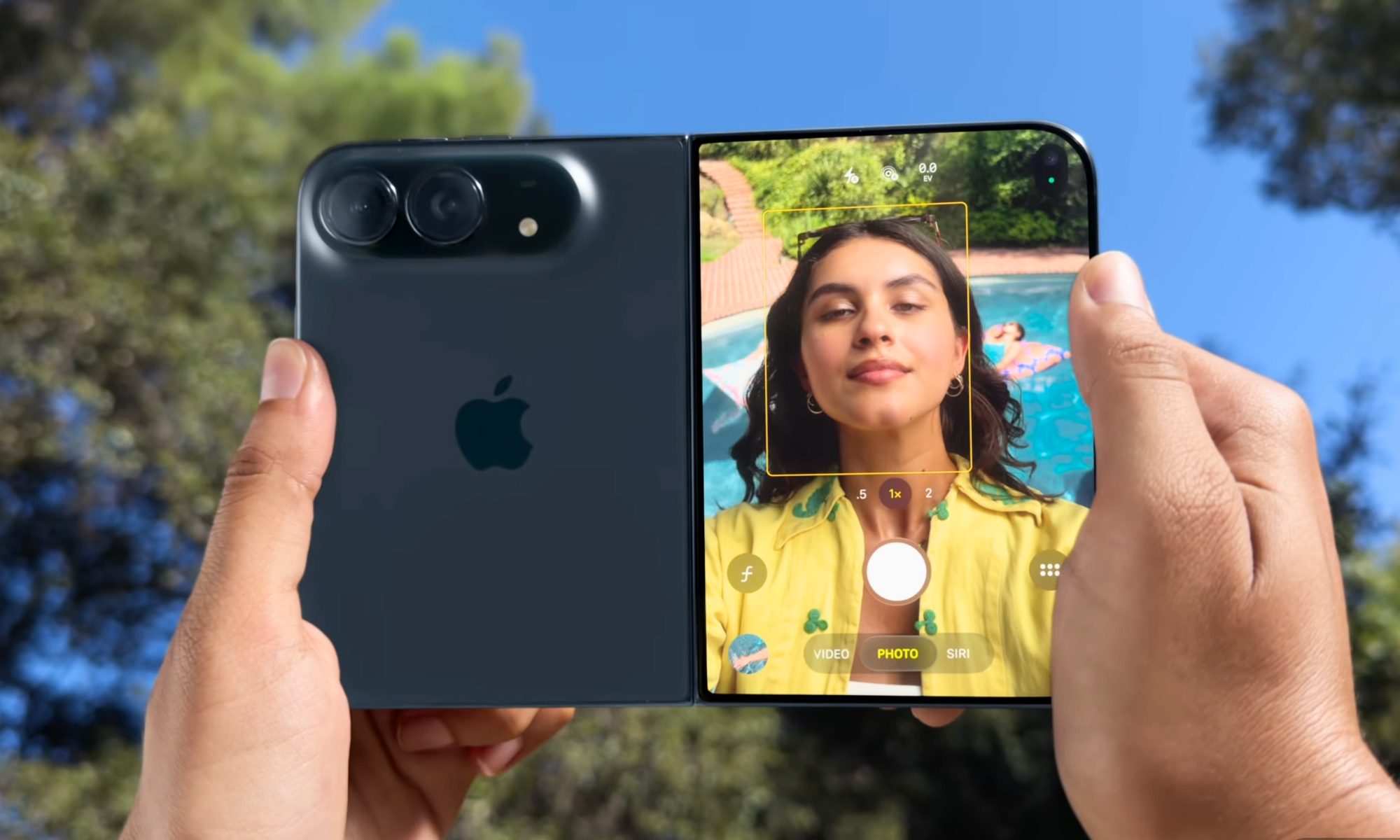
Apple's newest entry in the iPhone family, the iPhone Duo, does not carry every capability shoppers have come to expect from the company's handsets. That is the central observation in Engadget's report on the device, which notes that the Duo lacks a few features that have become routine across other iPhones. For anyone who has followed Apple's hardware cadence over the past several years, the framing will feel familiar: a new model arrives, and the real story is not only what it adds, but what it deliberately leaves on the shelf.
The report stops short of cataloguing every omission in detail. Its summary makes the broad point that certain popular Apple features are simply not part of the Duo experience. That brevity is itself worth noting. Feature lists are where product strategy becomes visible, and a missing item often says more about a company's intentions than an added one does.
What the Report Actually Establishes
Stripped to its essentials, the available information supports a narrow but meaningful set of claims:
- The iPhone Duo exists as a distinct model in Apple's lineup.
- It does not include some features that appear on other iPhones.
- Those absent features are characterized as popular ones that users have grown accustomed to seeing.
Everything beyond that — the specific list of missing capabilities, the reasoning behind each decision, and whether any of them could arrive later through software — remains outside the scope of what has been reported so far. Readers evaluating the device should treat any confident, itemized breakdown circulating elsewhere with appropriate caution until Apple or the publication provides more detail.
Why Feature Gaps Are a Big Deal for a Phone
Smartphones are rarely purchased on the strength of a single specification. They are bought as bundles, and buyers weigh the whole package against a price and against the other options sitting on the same shelf. When a model in a family line drops features that siblings retain, it changes the calculus in two directions at once.
First, it can make the device a better fit for a specific kind of buyer — someone who does not need or use the omitted capabilities and would rather not pay for them. Second, it can create friction for buyers who assumed that anything wearing the iPhone name would behave like every other iPhone they have owned. That second group is the one most likely to be surprised, because expectations in Apple's ecosystem tend to be set by the most feature-rich device in the family, not the most affordable one.
The question of positioning
A device that omits familiar features is usually making an argument about who it is for. Positioning decisions of this kind typically hinge on a trade-off between cost, size, and capability, and the Duo's omissions suggest Apple is drawing a line between this model and the rest of the range. Whether that line is drawn around hardware, around software experience, or around a combination of the two is exactly the kind of detail the current reporting does not resolve.
The question of expectations
There is also a quieter risk. Apple's customers have been trained over many generations to expect a certain baseline consistency across iPhones — that moving between models feels like moving between trim levels of the same car rather than between entirely different products. A model that skips well-liked features tests that assumption. If the gaps are small and clearly communicated, most buyers will absorb them without much thought. If they are large or poorly explained, they can dominate the conversation around the product.
What Prospective Buyers Should Do
For anyone considering the iPhone Duo, the practical path is straightforward and does not require waiting for a complete teardown of the spec sheet:
- Identify the specific iPhone features you rely on daily, rather than the ones you find impressive in reviews.
- Compare that short list directly against the Duo's confirmed capabilities before ordering.
- Check whether any missing feature is something you would notice in the first week or only in rare situations.
- Weigh the alternatives in Apple's own lineup, since the omitted features may be available on another model.
- Watch for follow-up reporting or official documentation that clarifies the full list of differences.
That last point matters more than it might appear. Early coverage of any hardware launch tends to compress nuance into a headline, and the headline here is simply that something is missing. The useful question is what, precisely, and whether it affects you.

Why This Story Travels Beyond One Product
Product omissions are rarely isolated events. They tend to signal how a company is thinking about segmentation across an entire portfolio — which experiences it considers essential at every price point and which it treats as premium differentiators. When a widely used feature disappears from one model, it is worth asking whether the company views that feature as optional in general, or whether the omission is specific to this design.
There is also a competitive dimension. Rival handset makers watch Apple's lineup closely and calibrate their own feature sets against it. A gap in one Apple device can become a marketing point for a competitor, or a signal that a particular capability is being reclassified as a niche concern rather than a baseline expectation.
The Bottom Line
Engadget's reporting makes one clear point: the iPhone Duo does not offer everything buyers have learned to expect from an iPhone. The significance of that depends entirely on which features are involved and how much weight a given user places on them. Until a fuller accounting surfaces, the sensible posture is curiosity rather than conclusion — recognizing that a shorter feature list can be a deliberate design choice, a cost decision, or both, and that the only way to judge it is against your own habits rather than the spec sheet's length.
This article is based on reporting by Engadget. Read the original article.

Originally published on engadget.com