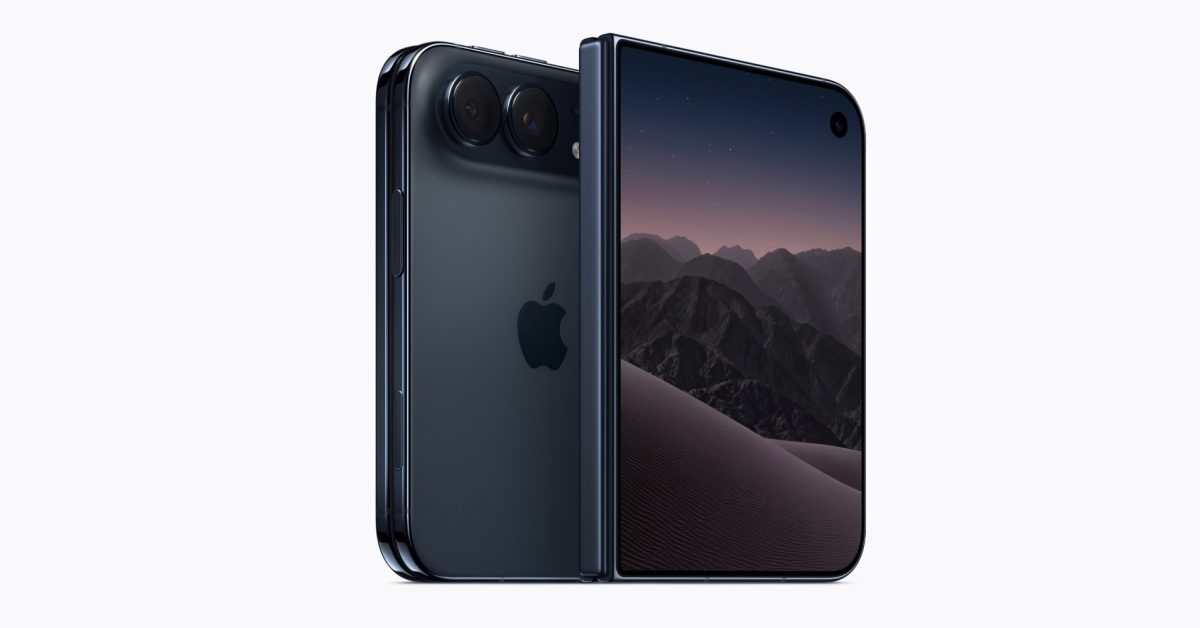
Apple's work on the iPhone Duo is showing up in the small places first. According to 9to5Mac, Focus Modes are another way the company has adapted iOS 27 for the device, a quiet but telling adjustment that sits alongside other form-factor-driven changes rather than standing apart from them. The unifying idea is straightforward: the iPhone Duo is not a conventional handset, and the software running on it cannot pretend otherwise.
That framing matters more than any single tweak. When a phone changes shape, the interface conventions that users take for granted — where a dock lives, how notifications arrive, which part of the screen your thumb actually reaches — stop being invisible. Apple, per the report, has been reworking iOS 27 in a number of ways to take full advantage of the upcoming phone, and Focus Modes appear to be one of the areas where that rethinking surfaces.
The form factor forces the conversation
Most modern smartphone software is built around a set of assumptions so deeply baked in that nobody describes them anymore. One screen, one orientation at a time, a dock anchored at the bottom edge, notifications that sweep down from the top. Those assumptions are not neutral design choices so much as accumulated habits, and they work only because nearly every phone sold today shares the same basic silhouette.
A device with a distinctly different shape breaks that consensus. Every interaction the operating system handles has to be re-examined against a new set of physical constraints and opportunities. Sometimes that means moving an element that has never needed to move before. Other times it means revisiting a feature — like Focus Modes — that seems unrelated to hardware but is actually tightly bound to how and when a person looks at their screen.
Apple's reported adaptation of iOS 27 for the iPhone Duo is best understood as that kind of audit. The changes are not cosmetic decoration layered on top of an unchanged system. They reflect a decision to treat the Duo as its own platform target rather than an iPhone variant with an unusual case.

Focus Modes and the anatomy of a distraction
Focus Modes exist to answer a deceptively simple question: what should be allowed to interrupt you right now? The feature lets a user declare a context — work, sleep, personal time, a specific project — and then filters notifications against it, so the device behaves differently depending on what the person is doing.
That mechanism depends heavily on assumptions about where the phone is, how it is being held, and when someone is likely to glance at it. A device with a different physical layout changes those assumptions, which is presumably why Focus Modes became part of the adaptation effort described by 9to5Mac. The interesting question is not whether the feature still works, but how the system decides which interruptions deserve attention on a screen that does not look like every other iPhone screen.
- Context still rules: Focus Modes remain a way for users to declare intent and let the software act on it.
- Hardware shapes behavior: A new form factor can shift when a notification is helpful versus intrusive.
- Adaptation over addition: The reported changes suggest refinement of existing systems rather than a brand-new feature set.
- Consistency matters: For users moving between devices, familiar behavior is part of the value.
Focus Modes are a useful bellwether precisely because they are not glamorous. They sit at the intersection of hardware, operating system behavior, and human habit. If Apple is adjusting them for the Duo, the company is thinking about the phone as a daily companion rather than a launch-day demo.
The right-hand dock as a statement
The clearest illustration of this approach is the reported iPhone dock, which sits on the right-hand side of the device. That single detail communicates a great deal. A dock is one of the most stable elements in Apple's mobile interface vocabulary; moving it is not a matter of taste but of ergonomics and structure.
Placing the dock on the right implies that the Duo's physical arrangement puts primary controls somewhere other than the bottom center users expect. It also reinforces the broader theme: the shape of the hardware, not the momentum of the software, is dictating where things go. Once one foundational element moves, the rest of the interface has to be checked for similar conflicts — and Focus Modes, which govern how the device interrupts its owner, are a natural part of that pass.
A photography campaign built around the Duo
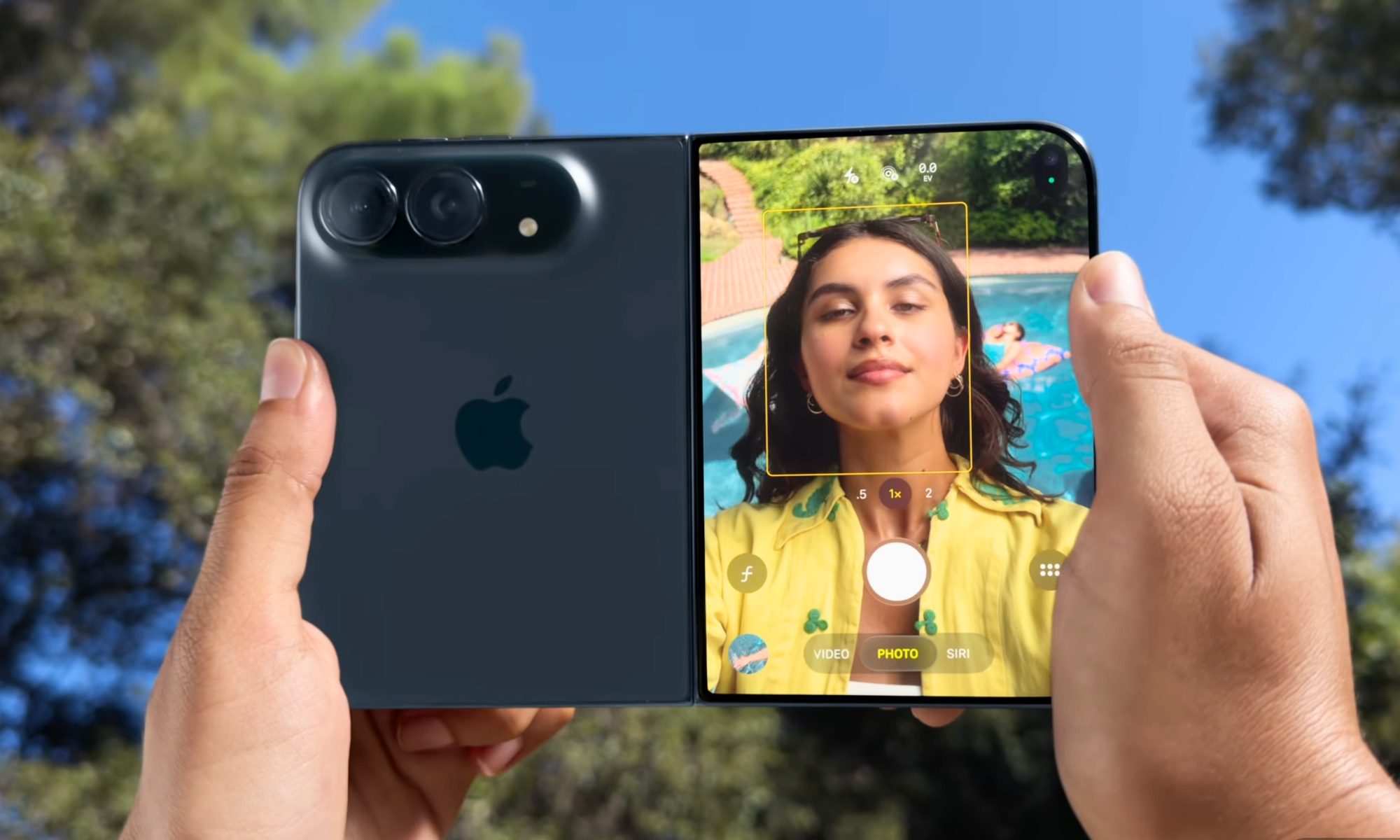
The software story is arriving alongside a marketing one. Apple has commissioned photographers for a new "Shot on iPhone Duo" campaign, with reporting by Marcus Mendes dated October 1, 2026. The choice of format is familiar — Apple has long used commissioned photography to demonstrate what its cameras can do in the hands of professionals — but the subject is new.
Bringing the Duo into that tradition signals that the company sees the device as a serious creative tool rather than an experiment. Commissioned work also serves a second purpose: it gives the public a body of images to evaluate before they ever hold the phone, which matters more than usual when the hardware's shape is itself the selling point.
Read together, the software adaptations and the campaign describe a device Apple intends to normalize rather than treat as a curiosity. Focus Modes tuned to a new form factor and photos shot by working professionals are two halves of the same argument: this phone is meant to be lived with.
What the reporting does and does not establish
It is worth being precise about the limits of what is currently known. The available reporting identifies Focus Modes as one area where iOS 27 has been adapted for the iPhone Duo, notes that the unique form factor prompted changes in a number of areas, and points to a dock positioned on the right-hand side. It does not lay out a full feature list, a price, or a release schedule.
- The scope of iOS 27 changes beyond Focus Modes and the dock position is not detailed.
- No specifications, pricing, or availability information has been reported.
- The extent to which third-party apps will need their own Duo adjustments is unknown.
- Whether any of these adaptations will reach other iPhone models has not been indicated.
Those gaps are normal for early reporting on an unreleased product, and they are a reason to treat the broader picture as provisional. What can be said with confidence is narrower and still meaningful: Apple is treating the Duo's shape as a software problem worth solving.

Why the small changes matter most
New hardware categories are usually judged on spectacle — a brighter screen, a faster chip, a striking industrial design. But the changes that determine whether a device feels natural six months after purchase are almost always mundane. Where the dock sits. How notifications behave when you are in the middle of something. Whether the phone understands that your attention is a limited resource.
Focus Modes are exactly that kind of detail, which is why their adaptation for the iPhone Duo is more revealing than it first appears. It suggests Apple is not simply shipping a new shape and hoping users adapt to it. The company is doing the adapting, at the level of the operating system, before the phone reaches anyone's hands.
If that pattern holds, the iPhone Duo's success will depend less on how unusual it looks on day one and more on how thoroughly iOS 27 has been rewritten around it. The reported Focus Mode changes, together with the relocated dock, are early evidence that the work is already underway.
This article is based on reporting by 9to5Mac. Read the original article.
Originally published on 9to5mac.com