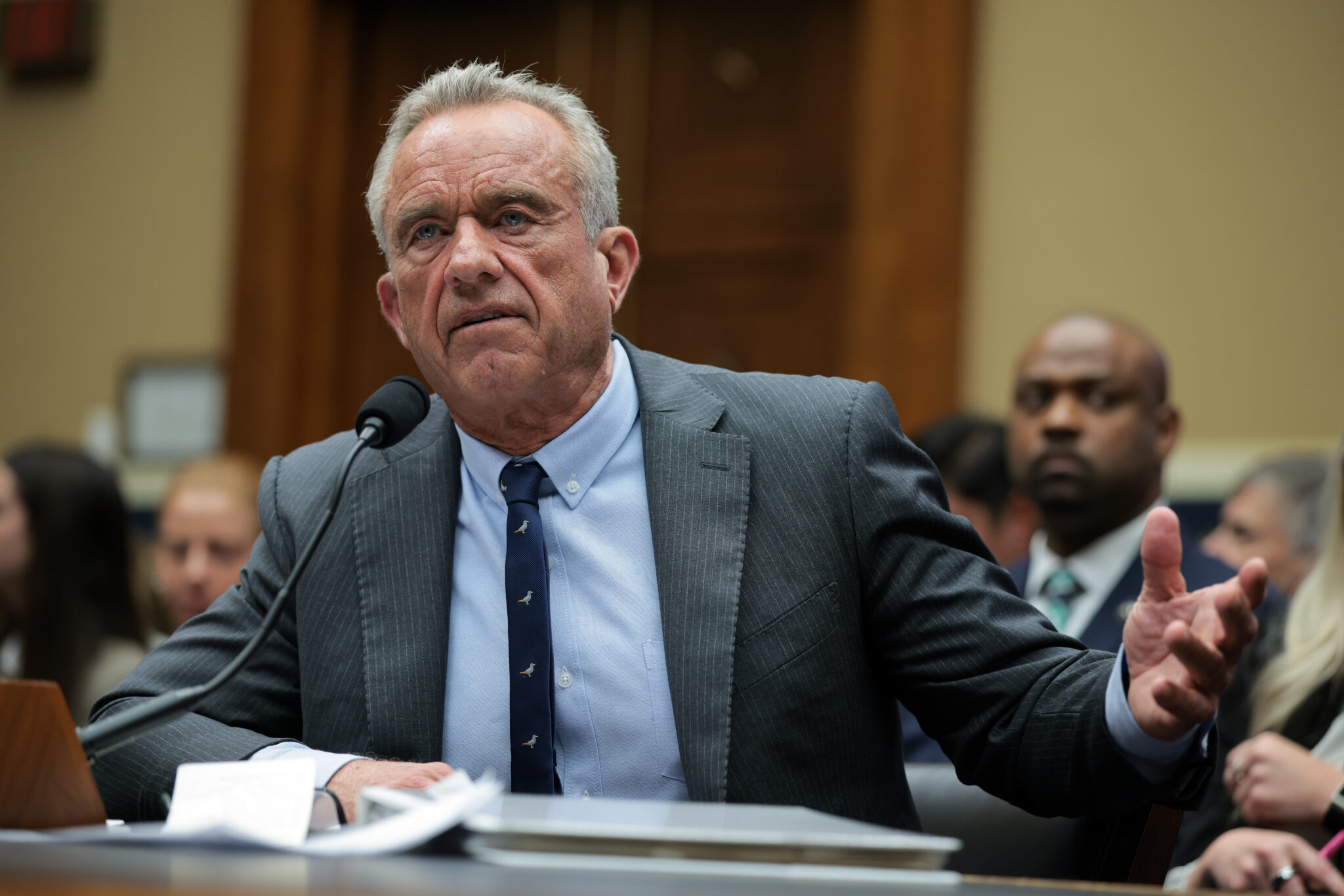
A revised charter for the Centers for Disease Control and Prevention’s vaccine advisory committee has been withdrawn by the Health Department after what a Federal Register notice described as an administrative error. The withdrawal temporarily stops changes that, according to the source report, would have further reshaped one of the federal government’s most influential vaccine policy bodies under Health Secretary Robert F. Kennedy Jr.
Why the charter mattered
The committee at issue is the Advisory Committee on Immunization Practices, or ACIP, which helps guide CDC vaccine recommendations. The revised charter reportedly would have expanded member eligibility in ways that could have allowed Kennedy to appoint dubiously qualified anti-vaccine allies. It also would have directed the panel to focus on alleged vaccine injuries and risks and would have welcomed fringe groups and anti-vaccine organizations into the process of developing federal vaccine policy.
That is why the withdrawal is consequential even if it stems from procedure. The document was not a minor rewrite. It was tied to a broader effort to redefine who shapes vaccine guidance and what evidence, arguments, and advocacy groups are centered in those deliberations.

Part of a wider struggle over ACIP
The charter fight comes in the context of a much larger dispute over Kennedy’s handling of ACIP. According to the source report, Kennedy fired all 17 experts from the committee in June 2025 and replaced them with unvetted and unqualified anti-vaccine allies. Subsequent meetings reportedly aired anti-vaccine views and misinformation, allowed activists to present unvetted material, and led to votes removing long-standing federal recommendations.
Among the reported changes was the removal of a universal recommendation for a hepatitis B vaccine dose at birth. The source report says there was no evidence of a safety concern or any benefit to delaying the dose, and it cites subsequent modeling studies finding that the shift would lead to more infections, more liver cancers and deaths, and millions of dollars in healthcare costs.
The report also says Kennedy later bypassed ACIP entirely to overhaul the CDC’s children’s vaccine schedule, reducing the number of recommended vaccinations from 17 to 11. In March, a federal judge issued a temporary injunction to undo those changes, ruling that Kennedy likely violated federal regulations in altering the schedule unilaterally.
What the withdrawal changes, and what it does not
The immediate effect of the withdrawn charter is procedural, but procedure is the battleground here. Advisory panels derive authority from their rules, composition, and remit. Changing those parameters can alter federal health policy without passing new legislation. By halting the revised charter, the department has at least delayed one route toward institutionalizing a more openly anti-vaccine posture inside the advisory process.
At the same time, the withdrawal does not by itself resolve the broader dispute over vaccine governance. The tensions described in the source report remain: who sits on ACIP, what kind of evidence carries weight, and whether public health institutions can be redirected through appointments and rule changes rather than through transparent scientific consensus.

The bigger picture
This episode underscores how much vaccine policy depends on institutional design as well as science. ACIP recommendations shape clinical norms and public expectations because the panel has historically rested on expertise, evidence review, and procedural legitimacy. When those foundations are challenged, the stakes extend beyond committee paperwork.
The withdrawn charter does not settle that conflict, but it is still a notable check on an attempted change. In the short term, it blocks a formal revision that critics saw as opening the door wider to ideologically aligned allies and fringe participation. In the longer term, it highlights how central administrative structure has become in the fight over U.S. vaccine policy.
This article is based on reporting by Ars Technica. Read the original article.
Originally published on arstechnica.com


