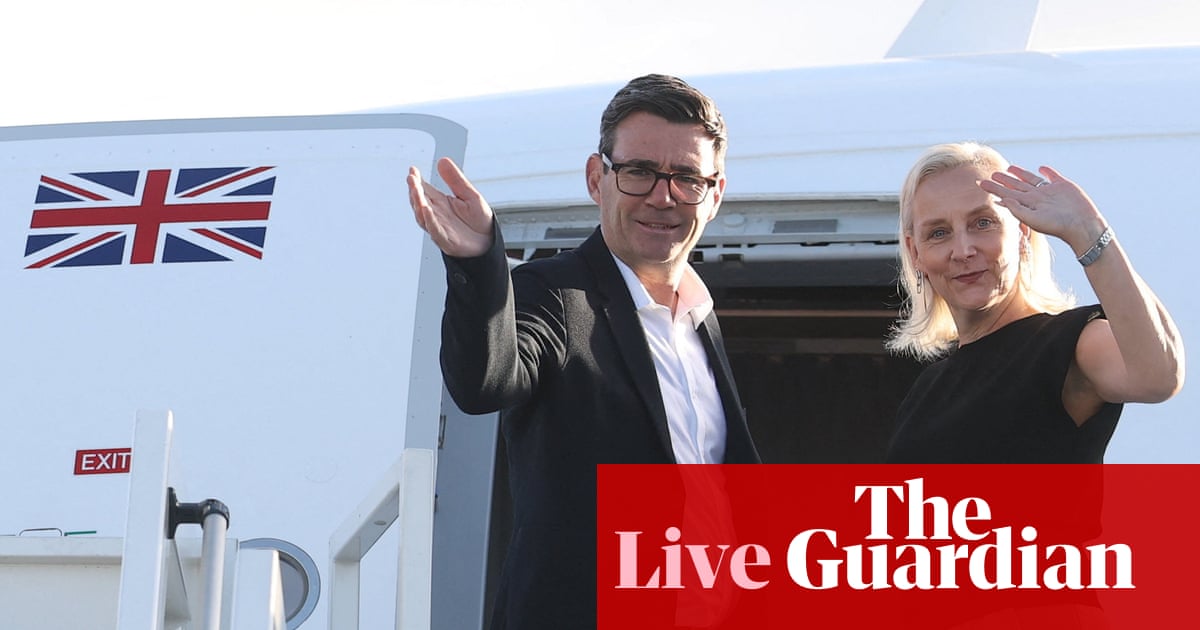
Burnham Goes to New York to Argue the UK Is Not 'on the Slide'
Andy Burnham is heading to New York for the United Nations General Assembly, carrying a message designed to push back against the impression that the United Kingdom is "on the slide". The framing was set out in an overnight briefing from No 10 ahead of his speech to the UN, and it positions the address as an argument about trajectory rather than a recitation of grievances.
Few forums offer a British leader the same kind of uninterrupted global hearing as the General Assembly. With heads of state and government packed into the same few blocks of Manhattan, the week doubles as a stage for national branding and a marketplace for the private conversations that rarely make the official readouts. Burnham's team has made clear which side of that equation it wants to emphasise: the speech is being sold as a statement of intent about where Britain stands, not a defensive exercise.
Artificial Intelligence Sits at the Centre of the Message
According to the briefing, artificial intelligence will be a central theme of Burnham's address to the UN. The choice of subject says as much about the current diplomatic mood as it does about domestic priorities. AI has migrated from the technology pages to the top table of international affairs, treated by governments as a question of economic competitiveness, national security and regulatory influence all at once.
For a UK delegation trying to project relevance, that shift is an opportunity. Countries that can claim a role in shaping how AI is governed — through standards, safety work or multilateral frameworks — gain a form of influence that does not depend on the size of their armed forces or the weight of their economy alone. Positioning the UK inside that conversation is a way of arguing that the country is still writing rules rather than merely following them.
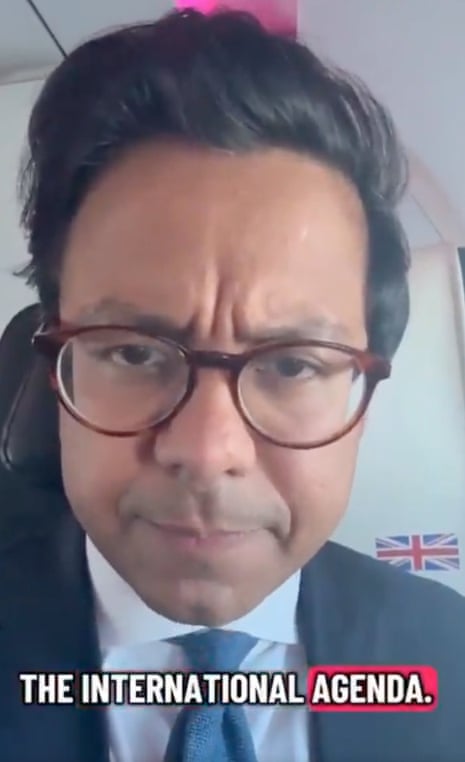
A Minister's In-Flight Video: AI Is Now 'Top of the International Agenda'
Kanishka Narayan, the minister for AI, is travelling to New York with the prime minister, and he has made the symbolism of his own presence part of the story. In a video recorded on the plane, Narayan said that the fact he is on the trip demonstrates how far the subject has risen, describing AI as now "top of the international agenda".
It is a familiar move in modern political communication — the mid-flight clip that turns travel itself into evidence of seriousness — but the substance of the claim is hard to dispute. AI governance has become a standing item at gatherings of this kind, with leaders trading notes on safety testing, computing capacity and the risk of fragmentation into competing regulatory blocs.
'Take Risks Seriously': The Message to Industry
Narayan also set out what he has been telling the technology sector, saying his message to the industry has been to "take risks seriously". The phrase cuts in two directions. It can be read as encouragement to a sector that governments want to keep investing and building at home, and as a warning that the consequences of deploying powerful systems carelessly will land on the companies that ship them.
That balance — ambition on one side, accountability on the other — is where most national AI strategies now sit, and it is the balance Narayan appears to be carrying into meetings in New York. For an industry that has grown used to being courted, the harder edge of the message is the part worth watching.

Gearing Up for a First Meeting With Trump
Running alongside the UN programme is the prospect of Burnham's first meeting with Donald Trump. The trip is being framed as preparation for that encounter, which gives the New York visit a second, more transactional purpose beyond the speech itself.
A first face-to-face between a British leader and a US president carries weight that no phone call fully replicates. It sets the tone for what follows — on trade, on defence, on technology, and on the personal chemistry that both sides of the Atlantic have learned to treat as a variable in its own right. Delegations rarely say so publicly, but the opening minutes of such a meeting are usually the ones that matter most, and everything before it is groundwork.
That Burnham is using UN week as the runway for that conversation is not accidental. The General Assembly brings together the people a British prime minister would otherwise have to fly around the world to see, and it offers neutral ground on which a first encounter can be staged without the protocol of a formal state visit.
Why the Setting Matters
UN General Assembly week compresses an unusual amount of diplomacy into a handful of days. Speeches are the visible part; the hallways, bilateral meetings and side events are where the actual business tends to happen. For journalists covering the trip, the format also shapes the story: a live blog, such as the Guardian's running coverage, can move from a set-piece address to a minister's plane video to a scheduling note about a presidential meeting within minutes.
The "not on the slide" line is best understood against that backdrop. Declinism is a durable genre in British political commentary, and governments of every stripe have found it easier to contest the narrative on an international stage than in domestic debate. Saying it at the UN, in front of an audience of governments weighing whether to invest, partner or align with London, is a deliberate choice about where the argument is most usefully made.

The Key Points
- Andy Burnham is travelling to New York for the United Nations General Assembly.
- He will use his UN speech to argue that the UK is not "on the slide", according to an overnight briefing from No 10.
- Artificial intelligence will be central to that message.
- AI minister Kanishka Narayan is on the trip and said his presence shows AI is now "top of the international agenda".
- Narayan said his message to the industry has been to "take risks seriously".
- The visit comes as Burnham gears up for his first meeting with Donald Trump.
What to Watch Next
The obvious question is how explicitly the UN speech ties the "not on the slide" argument to AI. A confident framing would present the UK as a rule-shaper in a technology still being governed; a vaguer one would leave the claim resting on assertion. The second question is timing — whether the Trump meeting happens during the New York window or is left for a later date, and what, if anything, is said about it beforehand.
Third is the industry reaction. "Take risks seriously" is the kind of line that companies can quote approvingly while reading it very differently in private, and the response from the sector over the coming days will indicate which half of the message it heard. For now, the trip's purpose is clear enough: to use a global platform to argue that Britain's direction of travel is upward, and to do it in the same week that its leader sits down with Washington.
This article is based on reporting by The Guardian. Read the original article.
Originally published on theguardian.com