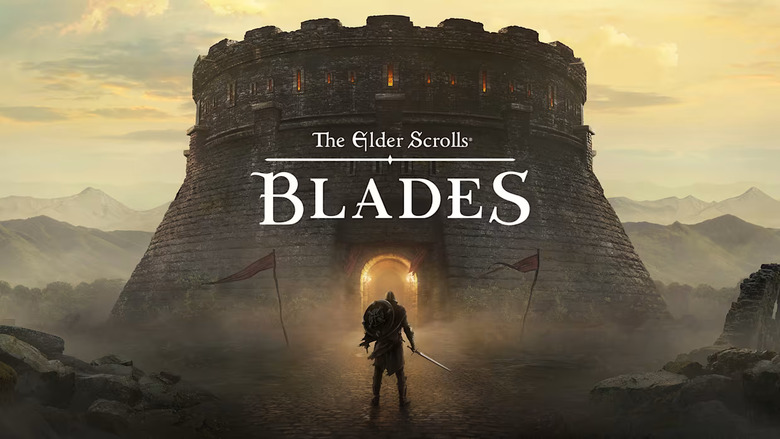
A mobile Elder Scrolls experiment is nearing its end
Bethesda is shutting down The Elder Scrolls: Blades on June 30, bringing its free-to-play mobile spinoff to a close after roughly six years in release. According to the source article, the game has already been delisted from Apple’s App Store, Google Play, and the Nintendo eShop, leaving existing players with only a short final stretch before the servers go dark.
The company is also softening the landing for remaining users. Players are receiving a free bundle of Gems and Sigils, and every item in the in-game store is now available for one Gem or Sigil each. It is the kind of end-of-life move that signals a game is being transitioned from monetization to wind-down, giving loyal players one last chance to experiment with its systems before support disappears.
A familiar arc for a live-service spinoff
Blades launched in 2020 across Android, iOS, and Nintendo Switch after drawing early attention during its initial access period. The article notes that more than one million iOS users downloaded the game in its first week of early access, a strong start that suggested Bethesda might have a viable mobile extension of one of gaming’s largest fantasy franchises.
That early momentum did not translate into lasting mainstream success. The game ultimately developed a reputation for repetitive design and aggressive microtransactions, and it finished with a “Generally Unfavorable” score on Metacritic. That profile made it difficult for Blades to occupy the same cultural space as Bethesda’s core Elder Scrolls releases, which are typically judged on scale, player freedom, and long-tail community enthusiasm rather than on mobile retention loops.
The shutdown therefore feels less like a shock than a delayed conclusion. Bethesda had already halted development on The Elder Scrolls: Legends in 2019, and that game’s servers were ultimately taken offline in January 2025. In that context, Blades becomes part of a broader pattern: franchise side projects can extend a brand, but only if they find a durable audience and a business model that players will tolerate over time.

What the closure says about franchise strategy
For major publishers, mobile spinoffs promise reach. They can introduce well-known worlds to players who are unlikely to sit down for a massive PC or console role-playing game. But turning a beloved single-player universe into a live-service product is difficult. Players bring expectations from the main series, and when the mobile experience feels narrower, more repetitive, or more transactional, the brand advantage can disappear quickly.
Blades tried to balance dungeon crawling with town building and streamlined touch-friendly play. That package was accessible, but it never became a defining mobile hit. Instead, it settled into a smaller footprint, one large enough to survive for years but not large enough to justify indefinite operation. The final server date now turns that quiet reality into an official endpoint.
There is still at least one remaining mobile route into Bethesda’s fantasy setting. The source notes that players looking for a handheld Elder Scrolls-adjacent experience can still turn to The Elder Scrolls: Castles. But Blades is closing as a reminder that franchise recognition does not guarantee long-term success, especially in mobile gaming, where user attention is fragmented and the economics of free-to-play design are unforgiving.
For the small group of players still invested in Blades, the last months will likely be about finishing builds, spending down resources, and seeing a once-promising experiment through to its end. For Bethesda, the closure closes a chapter on one of its more ambitious attempts to reinterpret a blockbuster RPG brand for phones and tablets.
This article is based on reporting by Engadget. Read the original article.
Originally published on engadget.com