Amazon’s streaming hardware is becoming a more closed platform
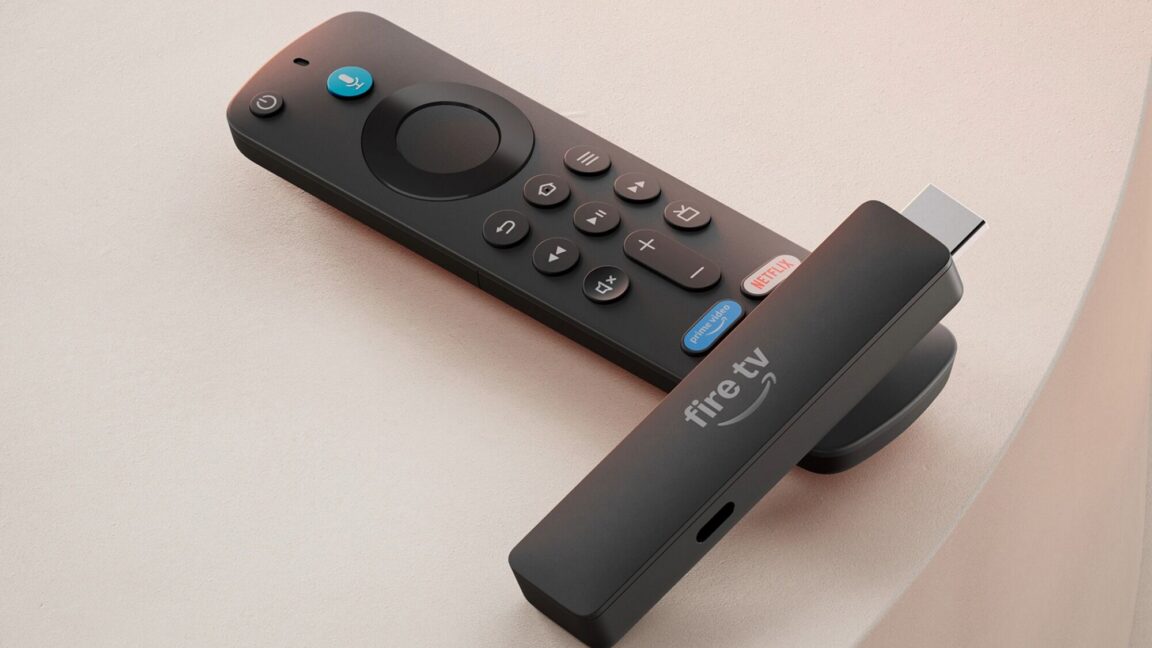
Amazon has made a strategic choice about the future of its Fire TV lineup, and the practical consequence is straightforward: newly released Fire TV sticks will no longer support sideloading apps from outside Amazon’s own store. Ars Technica reports that the company’s updated developer documentation now says that, starting with the Fire TV Stick 4K Select released in October, all future Fire TV sticks will run Vega, Amazon’s proprietary operating system.
That language matters because Vega does not support the ordinary sideloading behavior that many Fire TV users had come to expect from Fire OS, the Android-based platform Amazon previously used across its streaming devices. Under Amazon’s documented requirements, an app must already be published in the Amazon Appstore to run on a Vega-powered Fire device. For consumers, that marks a clear boundary. If software is not in Amazon’s store, it is effectively out of reach.
The shift is significant not because sideloading was ever the default behavior for most buyers, but because it represented openness within a mass-market streaming product. Fire TV devices occupied an unusual position: heavily commercialized, but still flexible enough for users to install software from outside the platform’s official distribution channel. With Vega, that flexibility is being pared back.
The change was visible to developers before it was obvious to buyers
Ars Technica notes that Amazon’s developer site has included the relevant Vega language since at least January, based on archived versions of the page. Yet the company had not made the same point nearly as explicitly to consumers. That mismatch helps explain why some users are only now recognizing the direction of travel. The company’s platform transition has been happening in stages, but the implications become clearer each time a new device arrives under the new operating system.
Amazon also reportedly displayed a notice on the product page for the newly announced Fire TV Stick HD stating that, for enhanced security, the device prevents sideloading or installation from unknown sources and that only apps from the Amazon Appstore are available for download. Whether buyers encounter that notice directly or discover the limitation after purchase, the message is the same: Fire TV’s future is being defined by tighter platform control.
Developers still get a narrow exception
Vega devices are not completely closed in every technical sense. Ars Technica reports that sideloading remains available for developers who register their devices. That carveout is important because it preserves at least some pathway for testing and development. But it does not change the consumer-facing reality. The kind of casual or enthusiast sideloading that existed on earlier Fire hardware is no longer part of the intended experience on the newest sticks.
This distinction reveals what Amazon appears to want from Vega. The company is not rejecting software experimentation outright. It is separating controlled development workflows from general user freedom. In other words, Amazon seems comfortable with sideloading as a tool inside its own ecosystem, but not as a broad consumer capability that bypasses the Appstore.
Why Vega changes the balance of power
Moving from Fire OS to Vega is not only about removing a feature. It is about shifting the balance of control. Fire OS was an Android fork based on the Android Open Source Project, which meant Amazon operated within a software lineage that still carried some of Android’s flexibility. Vega, by contrast, is Linux-based and proprietary. Ars Technica reports that this gives Amazon more control over how people use Fire devices while also making it easier for those devices to run more modern software.
That combination is strategically attractive. Greater control allows Amazon to shape distribution, enforce store rules and reduce the chance that users install software outside its commercial framework. At the same time, a more modern software base can support new features, including Amazon’s Alexa+ generative AI assistant. In that sense, the company is trading openness for manageability, product consistency and tighter integration with its own services.
From Amazon’s perspective, this is a rational platform move. From the perspective of users who valued Fire TV as a relatively flexible device, it is a loss of autonomy.
Older Fire devices are a separate track
One reason this transition may unfold unevenly is that Amazon reportedly does not plan to update current Fire OS devices to Vega. Ars Technica cites an October statement reported by Heise Online indicating that existing Fire OS products were not expected to receive the new operating system. That means Amazon is effectively running a two-track installed base: legacy devices that retain the older model, and new devices that arrive with tighter restrictions.
For users, that split creates a practical distinction between what Fire TV has been and what it is becoming. Older hardware may continue to offer capabilities that new buyers no longer get. Over time, however, the center of gravity will move toward Vega as Amazon refreshes more of the lineup.
A familiar industry direction, made more explicit
The broader story here is one of platform normalization. Consumer hardware companies routinely frame closed ecosystems around security, stability and quality control. Amazon’s product-page language for the new Fire TV Stick HD uses exactly that kind of security rationale. But platform control is also commercial control. If all future Fire TV sticks route users through the Amazon Appstore, Amazon becomes the clear gatekeeper for what software reaches the mainstream Fire TV audience.
That is the real meaning of the sideloading change. It narrows user choice, but it also simplifies Amazon’s leverage over the software layer of its streaming business. Fire TV is moving away from a partly permissive appliance and toward a fully managed platform.
For many customers, that shift may pass unnoticed. For developers, enthusiasts and anyone who treated Fire TV hardware as more than an appliance, it marks the end of an era. Amazon’s newest sticks are not just running a different operating system. They are enforcing a different philosophy about who gets to decide what software belongs on the device.
This article is based on reporting by Ars Technica. Read the original article.
Originally published on arstechnica.com


