Revolutionizing Military Logistics with On-Demand Parts
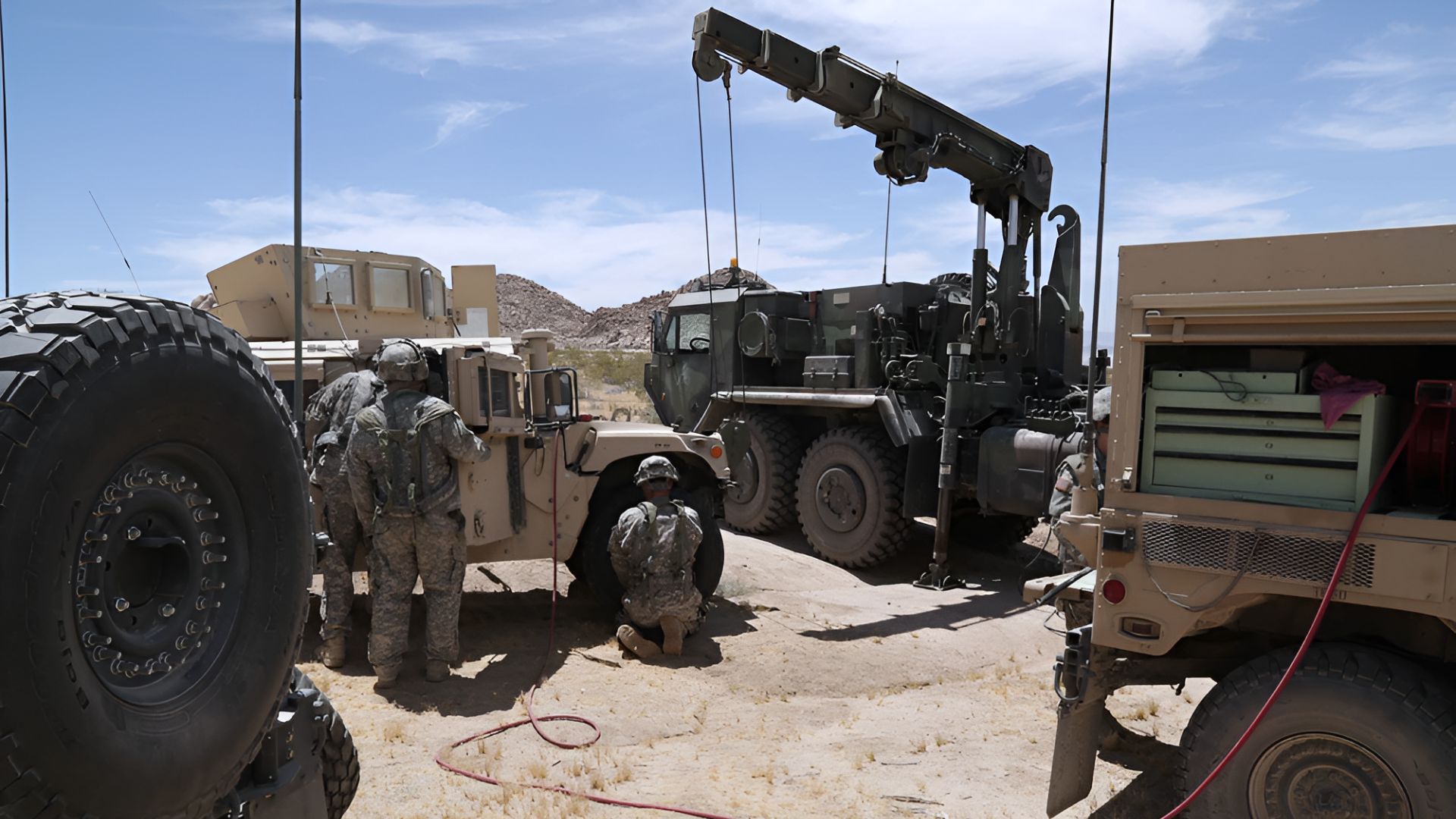
In modern warfare, the ability to quickly repair and return vehicles to the front lines is critical. Traditional supply chains, which rely on shipping spare parts from centralized depots, can become a major vulnerability when forces operate far from established hubs. The US military is now turning to digital manufacturing to address this challenge, enabling troops to produce essential components on-site, reducing downtime and enhancing operational readiness.
Digital manufacturing, which includes 3D printing and computer numerical control (CNC) machining, allows for the rapid creation of parts directly from digital designs. This approach eliminates the need for extensive inventories and long-distance logistics, as components can be fabricated on demand, often within hours. The technology has matured significantly in recent years, making it viable for military applications where reliability and speed are paramount.
Oshkosh Defense Leads the Way
A key player in this transformation is Oshkosh Defense, a leading manufacturer of military vehicles. The company has been at the forefront of integrating digital manufacturing into the repair and maintenance of its vehicles, including the Joint Light Tactical Vehicle (JLTV) and the Heavy Expanded Mobility Tactical Truck (HEMTT). By equipping maintenance units with portable digital fabrication tools, Oshkosh enables soldiers to produce replacement parts in the field, bypassing the traditional supply chain.
According to Oshkosh, this approach has already demonstrated significant benefits in exercises and real-world operations. For example, a damaged suspension arm or a broken bracket can be scanned, modeled, and printed within hours, whereas waiting for a replacement part from a depot could take weeks. This capability not only speeds up repairs but also reduces the logistical footprint, as fewer spare parts need to be transported and stored.

How Digital Manufacturing Works in the Field
The process begins with a 3D scan of the damaged component or the original part, if available. The scan is converted into a digital model, which is then optimized for manufacturing. Depending on the material and complexity, the part can be produced using various techniques:
- Fused Deposition Modeling (FDM): Used for plastic components, such as cable clips, brackets, and housings.
- Selective Laser Sintering (SLS): Produces durable nylon parts for more demanding applications.
- Direct Metal Laser Sintering (DMLS): Creates metal parts for critical structural components, using alloys like steel or aluminum.
- CNC Machining: For parts that require tight tolerances, subtractive manufacturing from metal blocks ensures precision.
These systems are compact enough to be deployed in mobile workshops, often housed in standard shipping containers. They are designed to operate in harsh environments, with dust and temperature controls to ensure reliability. Personnel receive training to operate the equipment and to validate the quality of printed parts, ensuring they meet military standards.
Benefits Beyond Speed
The advantages of digital manufacturing extend beyond faster repairs. By producing parts on demand, the military can reduce its reliance on a vast network of warehouses and transportation assets. This not only saves costs but also frees up resources for other missions. Additionally, the ability to create parts locally reduces the risk of supply chain disruptions caused by enemy action, weather, or other unforeseen events.

Furthermore, digital manufacturing enables rapid innovation. When a new component is needed, engineers can iterate on designs quickly, testing and refining them without the delays of traditional tooling. This agility is crucial in a battlefield environment where threats and requirements evolve constantly.

Challenges and Considerations
Despite its promise, digital manufacturing in the military faces several challenges. Ensuring the quality and consistency of printed parts is critical, especially for safety-critical components. The military has established rigorous testing and certification procedures to validate that printed parts meet the same standards as conventionally manufactured ones. Material properties, such as strength and fatigue resistance, must be verified for each application.
Another challenge is the need for a secure digital supply chain. Designs and manufacturing instructions must be protected from cyber threats and tampering. The military is investing in cybersecurity measures to safeguard the integrity of digital files and the machines that use them.
Finally, there is the human factor. Maintenance personnel must be trained to use the new equipment and to interpret digital designs. This requires a shift in skills and mindset, from traditional repair methods to digital workflows. The military is addressing this through specialized training programs and by integrating digital manufacturing into its maintenance curricula.
Future Outlook
As digital manufacturing technology continues to advance, its role in military logistics is expected to grow. The Army, Navy, and Air Force are all exploring ways to expand the use of additive manufacturing, from repairing vehicles to producing drones and other equipment. The ultimate goal is to create a resilient, responsive logistics system that can adapt to any operational scenario.
Oshkosh Defense and other industry partners are working closely with the military to refine these capabilities, ensuring that the next generation of vehicles is designed with digital manufacturing in mind. This includes integrating sensors and data analytics to predict when parts will fail, allowing for proactive replacement before a breakdown occurs.
In conclusion, the use of digital manufacturing to repair battle-damaged vehicles marks a significant shift in military logistics. By moving production to the point of need, the US military is reducing its vulnerability to supply chain disruptions and enhancing its ability to sustain operations in contested environments. As this technology matures, it will likely become a standard tool in the military's maintenance arsenal, ensuring that troops have the equipment they need, when they need it.
This article is based on reporting by Interesting Engineering. Read the original article.

Originally published on interestingengineering.com