A New Era for Zero-Emission Speed
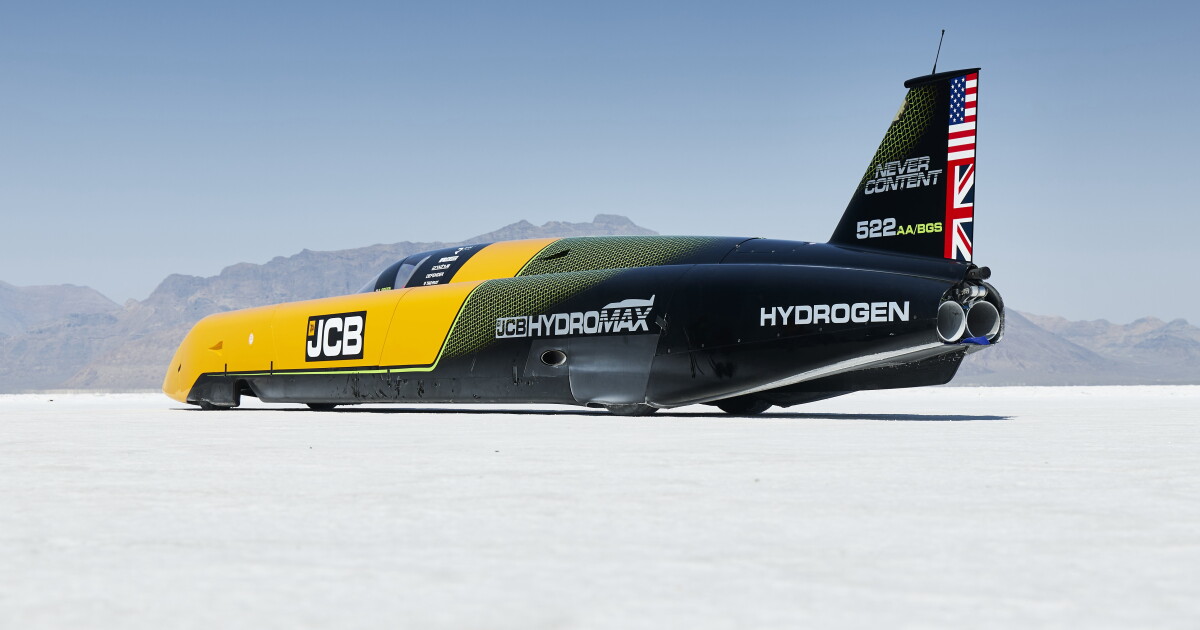
In a stunning display of engineering prowess, the JCB Hydromax has shattered the world land speed record for hydrogen-powered vehicles, clocking an average speed of 406.320 mph (653.91 km/h) at the Bonneville Salt Flats in Utah. This achievement, certified by the Fédération Internationale de l'Automobile (FIA), not only makes the Hydromax the fastest hydrogen-powered car in history but also the fastest zero-emission vehicle ever to grace the salt flats.
The record-breaking runs took place just days after the Hydromax initially hit 368.347 mph (592.797 km/h), demonstrating the team's rapid progress and the vehicle's immense potential. With this feat, JCB has firmly positioned itself at the forefront of sustainable high-performance engineering, proving that hydrogen combustion can deliver both power and environmental responsibility.
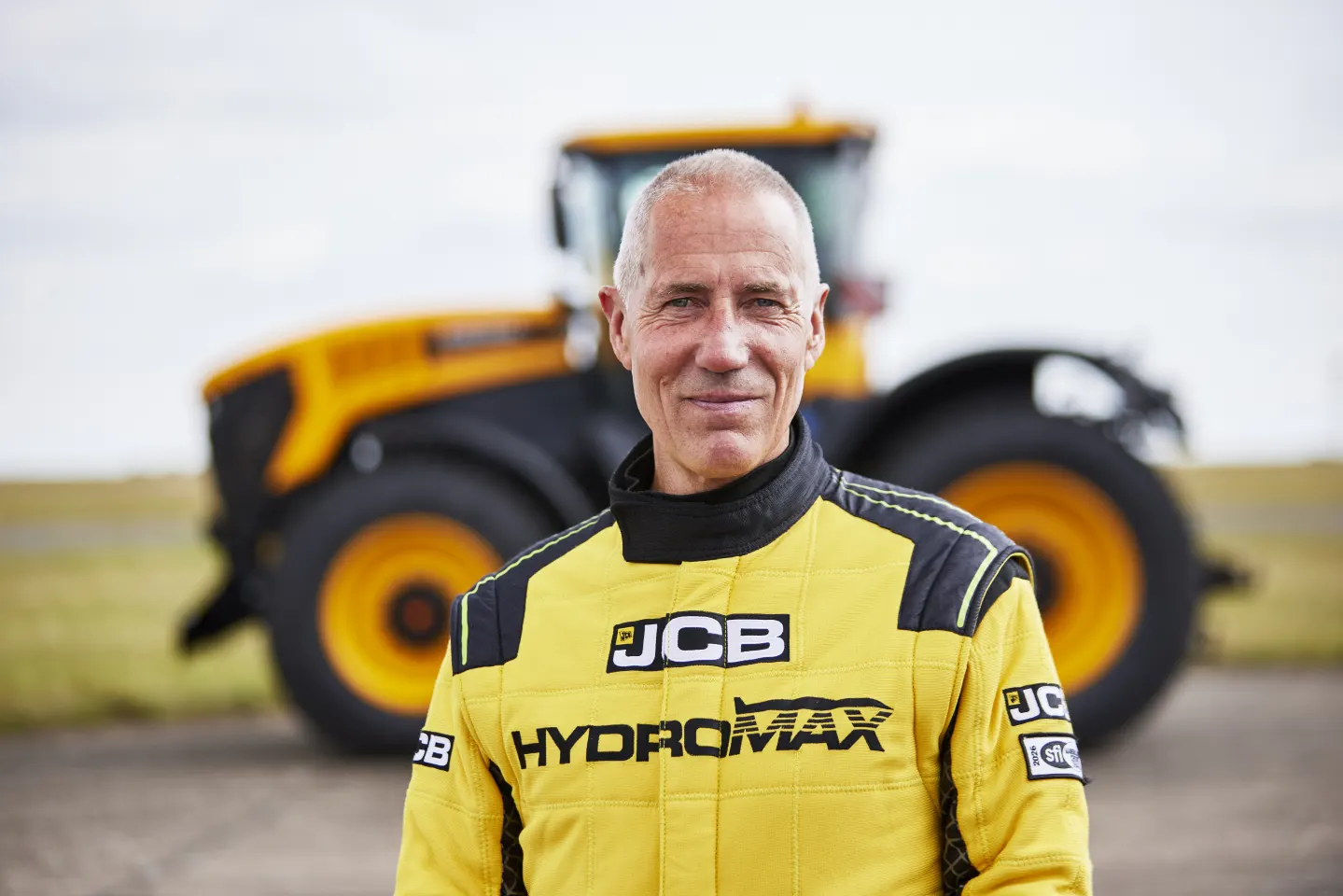
The Man Behind the Wheel: Wing Commander Andy Green
At the helm of the Hydromax was Wing Commander Andy Green, a retired Royal Air Force pilot with a legendary history in land speed racing. Green is no stranger to breaking barriers—he holds the outright land speed record of 763.035 mph (1,227.99 km/h), set in 1997 aboard the jet-powered ThrustSSC, making him the only person to break the sound barrier on land. His return to Bonneville two decades after setting the diesel record with the JCB Dieselmax adds a poetic layer to this new achievement.
Reflecting on the runs, Green remarked, "The car was terrific – stable, strong and fast. Setting a world land speed record with hydrogen power, twenty years after Dieselmax, is a huge privilege. This record is a huge achievement by a world-class team and superb technology." His confidence in the vehicle underscores the meticulous engineering and rigorous testing that went into the Hydromax.

Engineering Marvel: Twin Hydrogen Combustion Engines
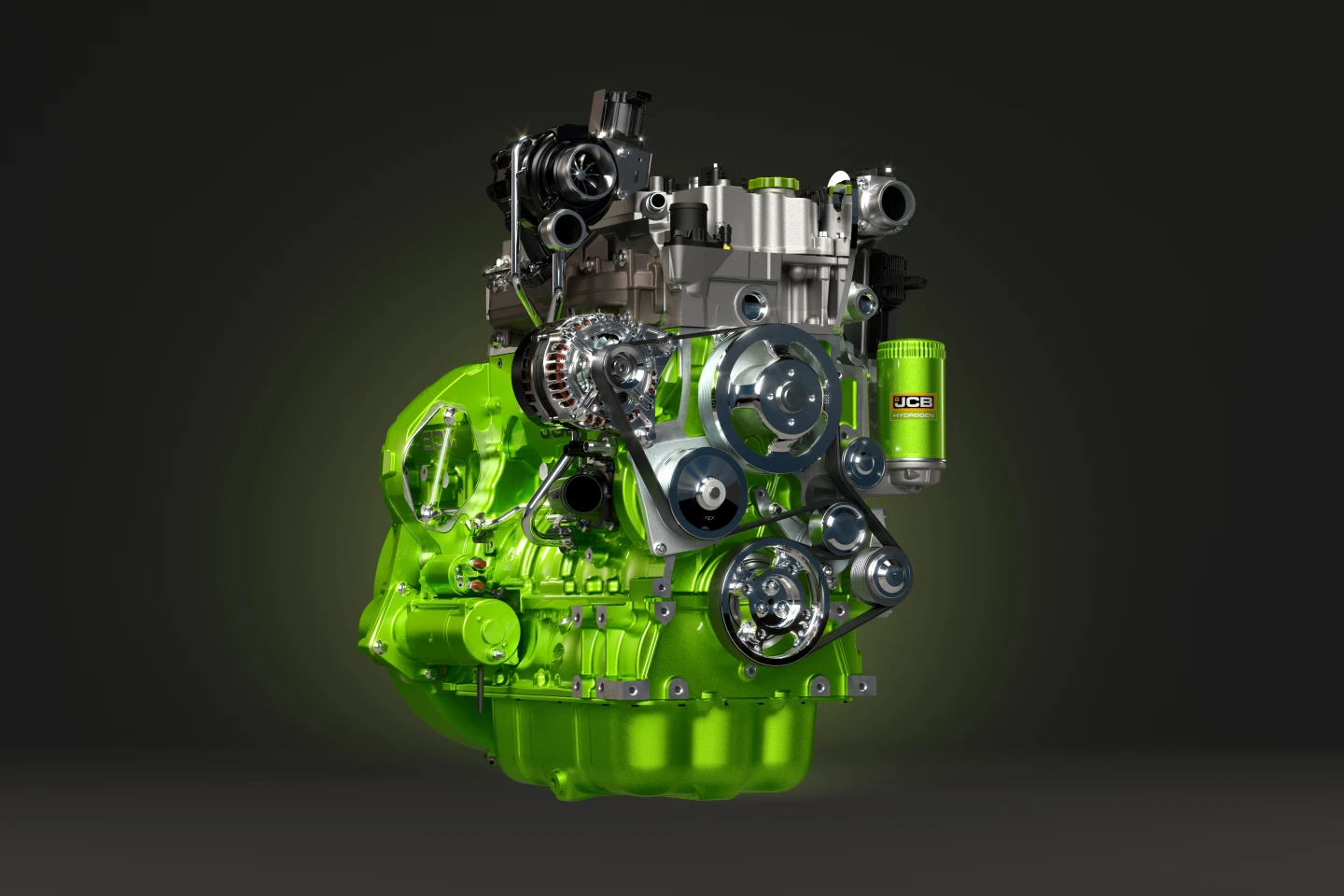
The Hydromax is a 32-foot (9.75-meter) marvel of modern engineering, powered by twin JCB hydrogen internal combustion engines. These engines, derived from JCB's construction equipment line, produce a combined output of 1,600 horsepower. The vehicle drives all four wheels through a sophisticated twin-transmission and clutch system, ensuring optimal power delivery and stability at extreme speeds.
What sets the Hydromax apart is its use of hydrogen combustion rather than fuel cells. This approach leverages existing internal combustion engine technology, modified to burn hydrogen cleanly, emitting only water vapor. JCB has been a pioneer in developing hydrogen engines for its construction machinery, and this land speed record is a testament to the viability of hydrogen as a high-performance fuel.
Record-Breaking Runs at Bonneville
The Bonneville Salt Flats, with its vast, flat expanse, provided the perfect stage for this historic attempt. On the first run, Green piloted the Hydromax to a one-way speed of 400.623 mph (644.74 km/h). After turning around, he pushed the vehicle even harder, achieving a blistering 412.135 mph (663.27 km/h) in the opposite direction. The average of these two runs, 406.320 mph, was officially recognized as the new FIA world land speed record.
This achievement is particularly significant because it also surpasses the previous diesel record, which Green himself set twenty years ago in the JCB Dieselmax at 317 mph (510 km/h). The Hydromax's performance demonstrates the rapid advancements in hydrogen technology, which is now capable of outperforming traditional fossil fuels in the most demanding conditions.

Implications for the Future of Transportation
The Hydromax's record is more than just a headline—it signals a paradigm shift in the automotive industry. Hydrogen combustion engines offer a practical path to zero-emission transportation without sacrificing performance. Unlike battery-electric vehicles, which require heavy batteries and long charging times, hydrogen can be refueled quickly and provides energy density comparable to gasoline.
JCB's investment in hydrogen technology is already yielding dividends in its construction equipment, and this land speed record will likely accelerate interest in hydrogen powertrains across the automotive sector. As governments worldwide push for stricter emissions regulations, hydrogen combustion could become a key player in the transition to sustainable mobility.
A Testament to British Engineering
The Hydromax was manufactured at JCB's engine factory in Foston, Derbyshire, England, showcasing British engineering at its finest. The team behind the project, comprised of engineers and technicians from JCB and its partners, worked tirelessly to refine the vehicle's aerodynamics, powertrain, and stability systems. Their success at Bonneville is a source of national pride and a clear demonstration that innovation thrives in the UK.
As the world watches, the JCB Hydromax has not only rewritten the record books but also inspired a new generation of engineers to explore the boundaries of what's possible with clean energy. With this landmark achievement, hydrogen combustion has firmly established itself as a force to be reckoned with in the quest for speed and sustainability.
This article is based on reporting by New Atlas. Read the original article.

Originally published on newatlas.com