A Bold Claim Against Nature's Fire Starter
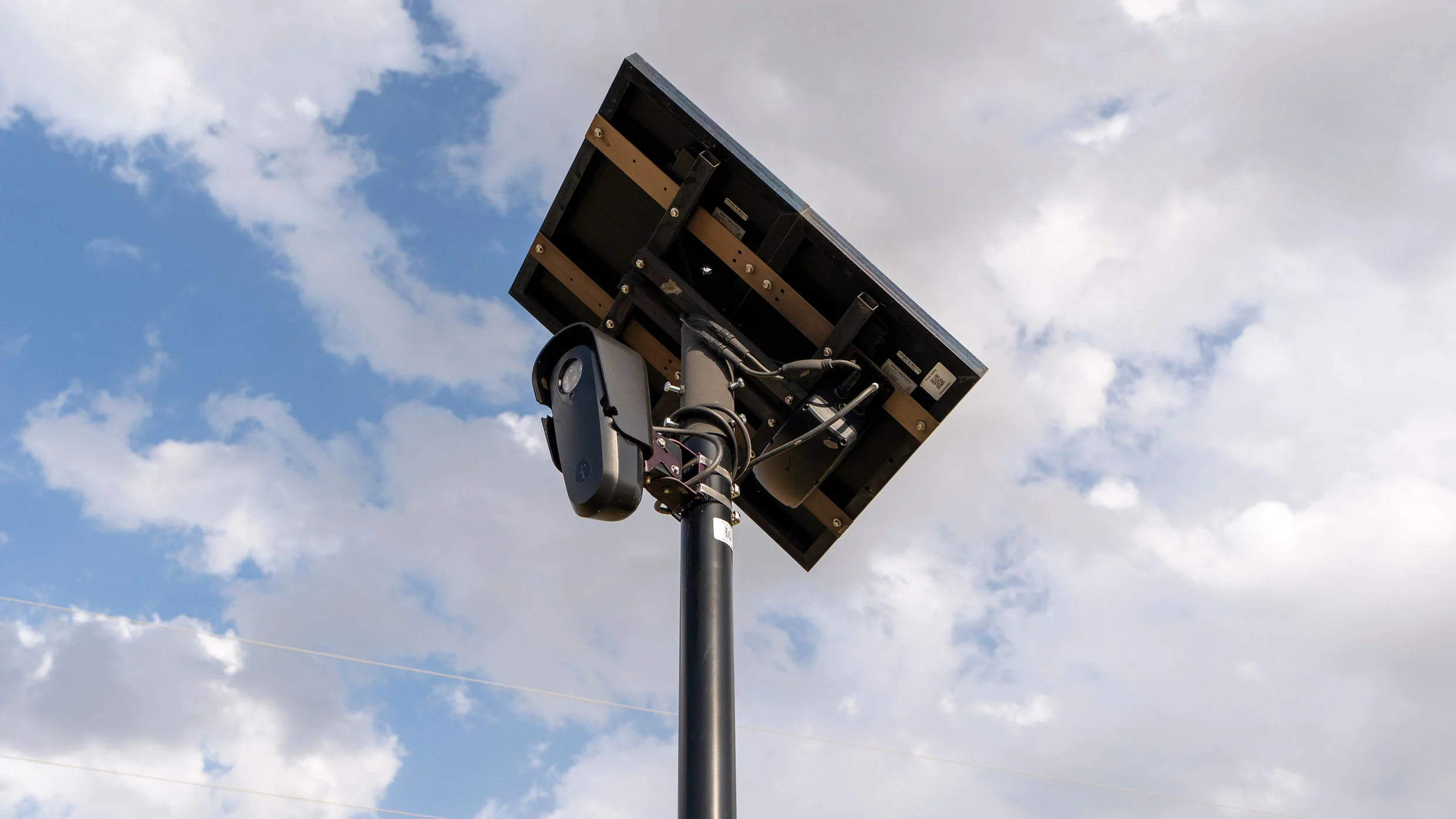
Vancouver-based startup Skyward Wildfire has emerged with an audacious proposition: it can prevent catastrophic wildfires by stopping the lightning strikes that ignite them. The company, which recently raised $7.9 million Canadian dollars ($5.7 million USD) in seed funding, says it has demonstrated technology capable of significantly reducing cloud-to-ground lightning strikes in targeted storm cells, potentially eliminating one of the most common natural causes of destructive fires.
Lightning-ignited wildfires account for the vast majority of area burned in major fire seasons. During Canada's devastating 2023 fire season, lightning sparked nearly 60% of the wildfires that collectively scorched tens of millions of acres and generated nearly 500 million tons of carbon emissions. If lightning suppression technology proves viable at scale, it could represent one of the highest-leverage interventions available for reducing wildfire risk in a warming world.
The Technology: Cloud Seeding with Chaff
While Skyward has been selective about publicly disclosing its methods, online documents and investigative reporting reveal that the company is using an approach rooted in research that US government agencies began in the early 1960s: seeding thunderclouds with metallic chaff, narrow fiberglass strands coated with aluminum that are normally used by military aircraft to disrupt radar signals.
When dispersed into storm clouds, the conductive chaff particles alter the electrical charge distribution within the cloud, theoretically reducing the voltage differential needed to trigger cloud-to-ground lightning. By neutralizing or redistributing the electrical charges that build up during thunderstorm development, the treatment aims to prevent the formation of the intense electrical channels that constitute lightning strikes.
The company has partnered with Canadian wildfire agencies to conduct field demonstrations. A document released by the World Bank shows that Skyward partnered with Alberta Wildfire in August 2024, reporting a 60-100% reduction in lightning compared to untreated control storm cells. The company says it has since expanded trials with both Alberta and British Columbia wildfire services.

Scientific Skepticism
Researchers and environmental observers have responded to Skyward's claims with a mixture of interest and caution. The company initially stated on its website that it could prevent up to 100% of lightning strikes, a claim it subsequently removed after inquiries from MIT Technology Review.
Scientists who study lightning and weather modification note that atmospheric systems are extraordinarily complex, and achieving consistent results across varying weather conditions, storm types, and geographic settings would be extremely challenging. The 60-100% reduction reported from the Alberta trials, while promising, was achieved under specific conditions that may not be representative of the full range of thunderstorm scenarios encountered during a fire season.
Questions also remain about the required scale of chaff deployment, the frequency with which treatments would need to be applied, and the environmental impact of releasing metallic particles into the atmosphere on a commercial basis. While Skyward describes the materials as inert and compliant with regulatory standards, independent assessments of long-term environmental effects have not been published.
The Wildfire Crisis
Skyward's emergence reflects the growing urgency of the global wildfire crisis. Climate change is creating conditions that make devastating fire seasons more frequent and severe: higher temperatures, drier forests, earlier snowmelt, and potentially more lightning strikes. The traditional approach of responding to fires after they start is increasingly overwhelmed by the scale and intensity of modern fire seasons.
The 2023 Canadian fire season was a watershed moment that illustrated the inadequacy of suppression-only strategies. The sheer number of simultaneous fires exceeded the capacity of firefighting resources at the provincial, national, and international levels. Preventing ignition before fires start, rather than fighting them after they begin, represents a fundamentally different approach that could reduce the burden on firefighting systems.
Other companies and research groups are pursuing different approaches to wildfire prevention, including improved early detection systems using satellite imagery and AI, strategic fuel management through prescribed burns and mechanical treatment, and enhanced power line monitoring to prevent utility-caused ignitions. Lightning suppression, if proven effective, would complement these approaches by addressing a cause of ignition that has previously been considered uncontrollable.

Funding and Future Plans
Skyward's $7.9 million CAD funding round was led by Climate Innovation Capital, Active Impact Investments, and Diagram Ventures. The company plans to use the capital to expand operations into new regions, develop more advanced forecasting AI for predicting high-risk lightning events, and scale up its deployment capability to cover larger areas during fire season.
The company's founder, Sam Goldman, has described lightning prevention as "one of the highest-leverage and most immediate climate solutions available." Whether that claim withstands rigorous scientific scrutiny and operational testing at commercial scale remains to be seen, but the combination of mounting wildfire devastation and growing investor interest in climate solutions ensures that Skyward will have the resources to pursue its ambitious vision.
This article is based on reporting by MIT Technology Review. Read the original article.
Originally published on technologyreview.com