For years, the search for a leather alternative that is both ethical and environmentally sound has been a tricky balancing act. Animal leather comes with significant environmental costs and ethical compromises, while many synthetic substitutes solve the cruelty problem only by introducing plastic-based materials that are difficult to recycle. Now, researchers at VTT Technical Research Centre of Finland say they have cracked the code with a production-scale breakthrough in plastic-free, mushroom-derived leather.
The challenge with leather alternatives
The environmental footprint of traditional animal leather is well documented. Raising livestock requires vast amounts of land, water, and feed, and the tanning process often involves harsh chemicals that can pollute local ecosystems. Ethically, the use of animal hides raises concerns for many consumers, prompting a steady demand for alternatives that do not rely on animal products.
Synthetic leathers, typically made from petroleum-based plastics such as polyurethane or PVC, have been a popular substitute. They are cheaper to produce and can mimic the look and feel of animal leather. But they come with their own set of problems. Because they are plastic-based, they are very difficult to recycle, and they can shed microplastics into the environment over time. For consumers looking for a truly sustainable option, neither animal leather nor plastic-based synthetic leather is ideal.
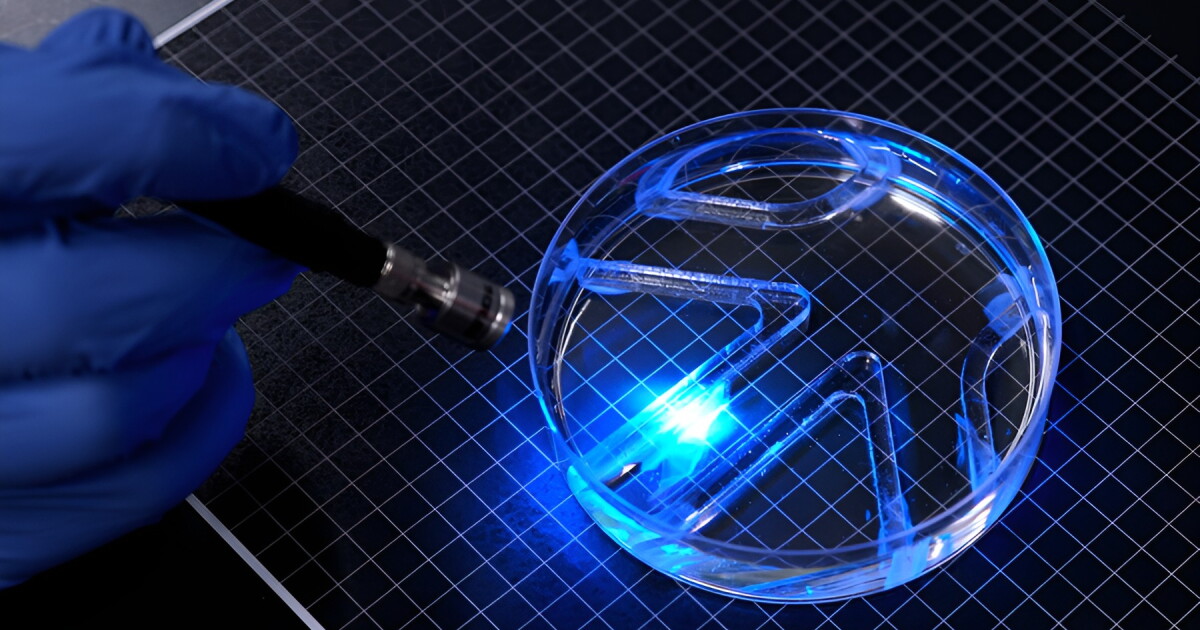
This has led scientists to explore natural, biodegradable materials that can be grown rather than manufactured. Among the most promising candidates is mycelium, the root-like network of fungi. The idea of making leather-like material from fungi is not new. Early experiments involved growing mycelium in trays and letting the fibers knit together into a solid sheet, similar to a thin leather-like film. While these experiments proved the concept was possible, the approach was hard to scale up. Producing large, uniform sheets required specialized equipment and long growth times, making it difficult to compete with traditional manufacturing.

A new approach from VTT
A few years ago, researchers at VTT Technical Research Centre of Finland developed a process for producing continuous sheets of mycelium leather at a rate of 1 meter (3.3 ft) per minute. This was a significant step forward, because it suggested the material could potentially be adapted for industrial manufacturing. However, there were still limitations to overcome, with the biggest one being the quality of the material. Early versions of the mycelium leather lacked the durability and strength needed for practical, mass-market goods such as handbags, shoes, or upholstery.
Now, in new research from VTT, the scientists have tackled this problem by rethinking the material formula itself. Instead of turning fungal biomass directly into a leather-like sheet, they first processed it into a thick, wet, pulpy mass and grew it in a nutrient-rich liquid. This approach gives the mycelium time to develop a dense, interconnected structure that is more robust than the thin films produced in earlier experiments.
Building a better fungal leather
The process begins with culturing mycelium in a liquid nutrient bath. Once the fungal biomass has grown, it is harvested, washed thoroughly, and then mixed with two key additives: sorbitol and cellulose. Sorbitol, a sugar alcohol commonly used in food and cosmetics, acts as a plasticizer. It makes the material softer and less brittle, preventing it from cracking or tearing during use. Cellulose, on the other hand, is a natural polymer that provides structural strength. By combining the two, the researchers were able to achieve the right balance of flexibility and durability.
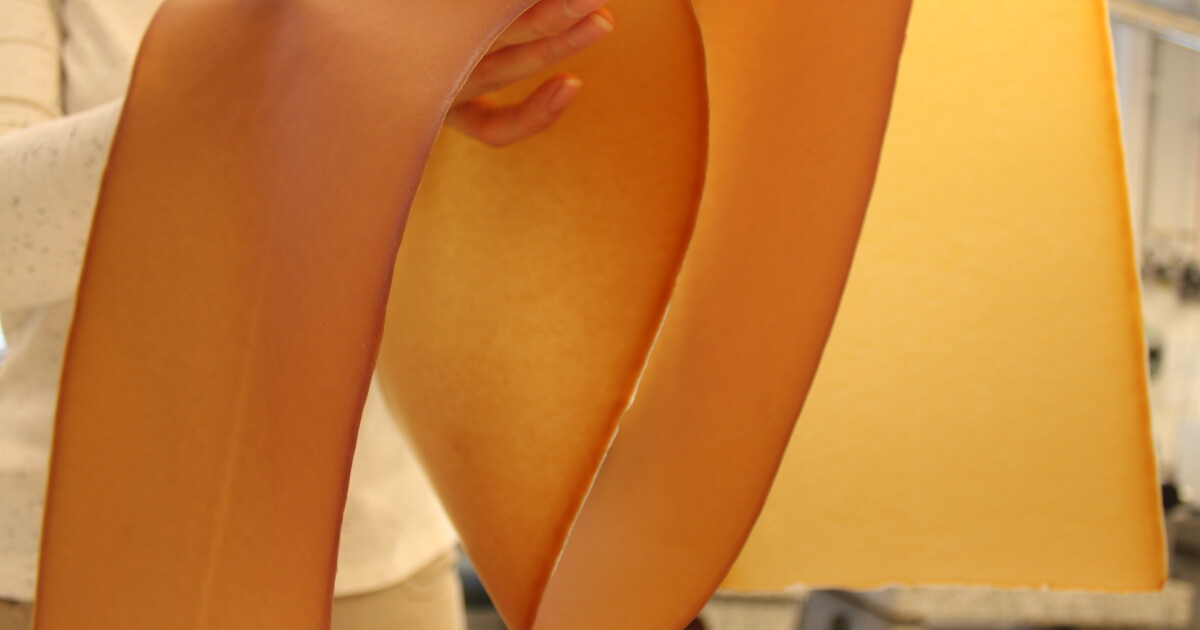
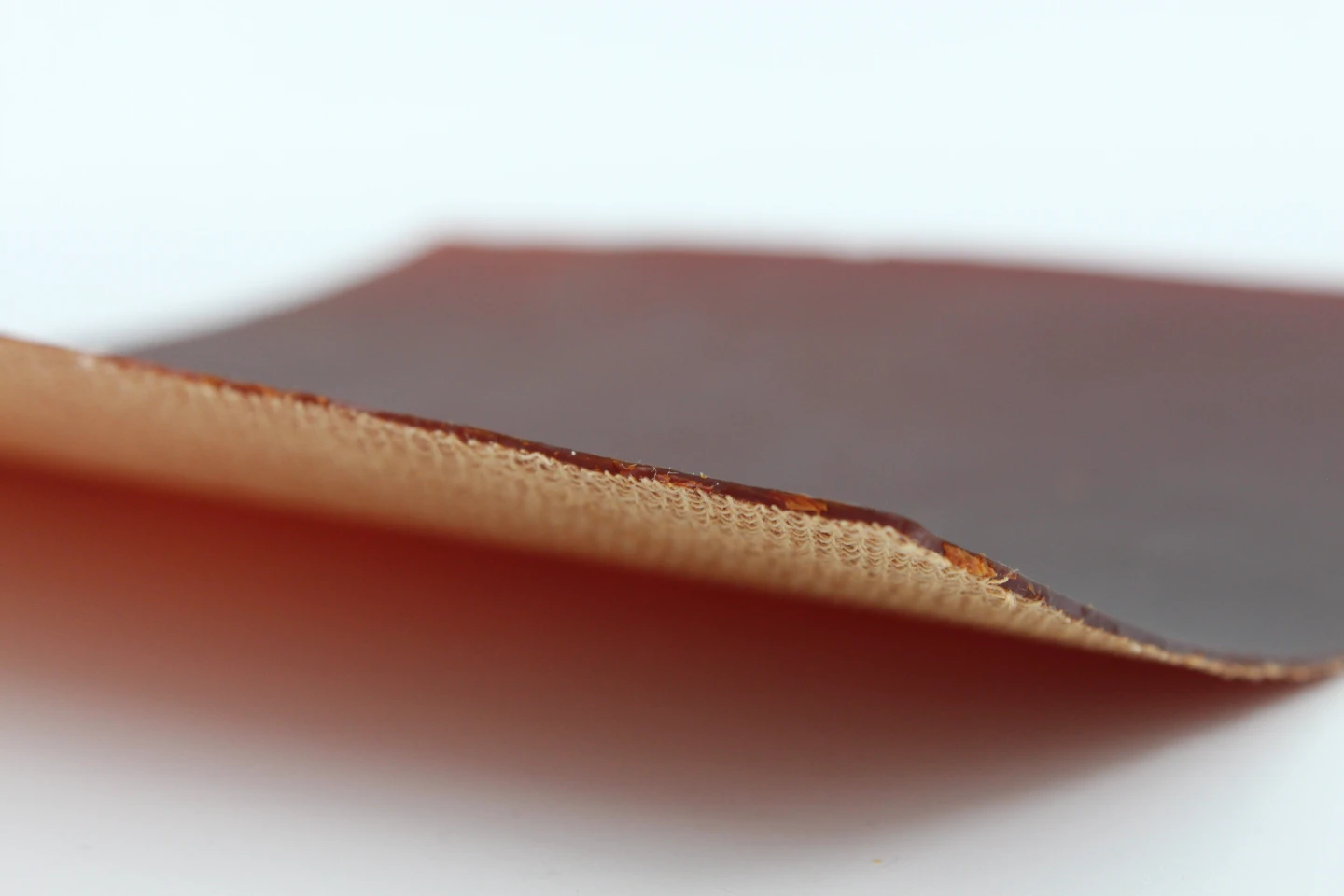
After the ingredients are mixed, the resulting slurry is spread into a thin, even layer and dried. The result is a sheet of mycelium leather that feels and behaves much like traditional animal leather. The scientists were able to produce continuous sheets about 20 cm (8 in) wide and 8 meters (26 ft) long, demonstrating that the process can be scaled up to sizes suitable for real-world products.
Strength comparable to traditional leather
One of the key metrics for any leather alternative is mechanical strength. If it cannot withstand the wear and tear of everyday use, it is unlikely to find its way into consumer goods. In their tests, the VTT researchers found that the material showed durability and strength comparable to traditional leather. This is a significant improvement over earlier mycelium-based materials, which were often too fragile for practical applications.
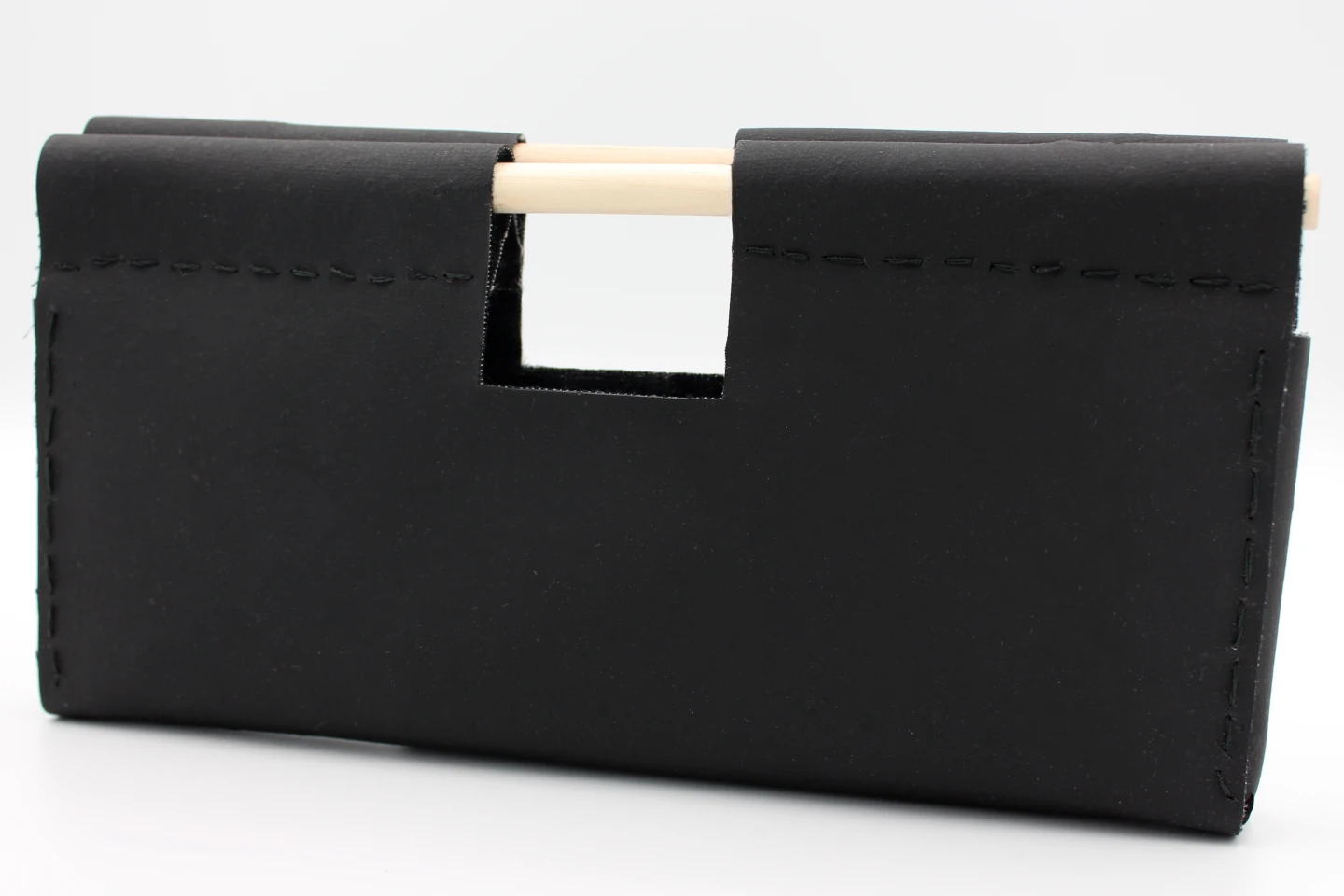
To demonstrate the potential of the material, the team produced a handbag made from the new type of mycelium leather. The prototype bag showcases the aesthetic qualities of the material, while also serving as a proof of concept for its manufacturability. The images released with the research show a sleek, leather-like surface that could easily be mistaken for animal hide.
What this means for the future
The VTT breakthrough is important because it addresses two of the biggest obstacles to widespread adoption of mycelium leather: scalability and quality. By producing continuous sheets at a rate of one meter per minute, the process is compatible with existing roll-to-roll manufacturing equipment. This could allow producers to ramp up production without investing in entirely new infrastructure.
Because the material is plastic-free, it offers a more sustainable end-of-life outcome. Unlike synthetic leathers, which can persist in landfills for centuries, mycelium leather is biodegradable and can be composted under the right conditions. This aligns with the growing demand for circular materials in the fashion and automotive industries.
The researchers caution that further work is needed before the material reaches commercial maturity. Optimizing the growth conditions, fine-tuning the ratio of sorbitol to cellulose, and scaling up from laboratory prototypes to industrial volumes will all require additional research. But the current results suggest that a plastic-free, animal-free, and genuinely sustainable leather alternative is no longer a distant vision; it is a practical possibility.

Toward a sustainable materials revolution
The development adds to a growing body of work aimed at replacing animal-based and petroleum-based materials with lab-grown or biologically derived alternatives. Mycelium is particularly attractive because it grows rapidly, requires minimal resources, and can be cultivated on agricultural waste streams. With continued investment and research, mushroom leather could become a mainstream option in the next few years.
For consumers who care about the environmental and ethical impact of their purchases, the arrival of a high-quality, scalable mycelium leather would be a welcome milestone. It offers the tactile and aesthetic qualities of animal leather without the environmental toll, and it avoids the plastic waste problem associated with synthetic substitutes. If the VTT process can be successfully commercialized, it may help reshape the leather goods industry from the ground up.
This article is based on reporting by New Atlas. Read the original article.
Originally published on newatlas.com